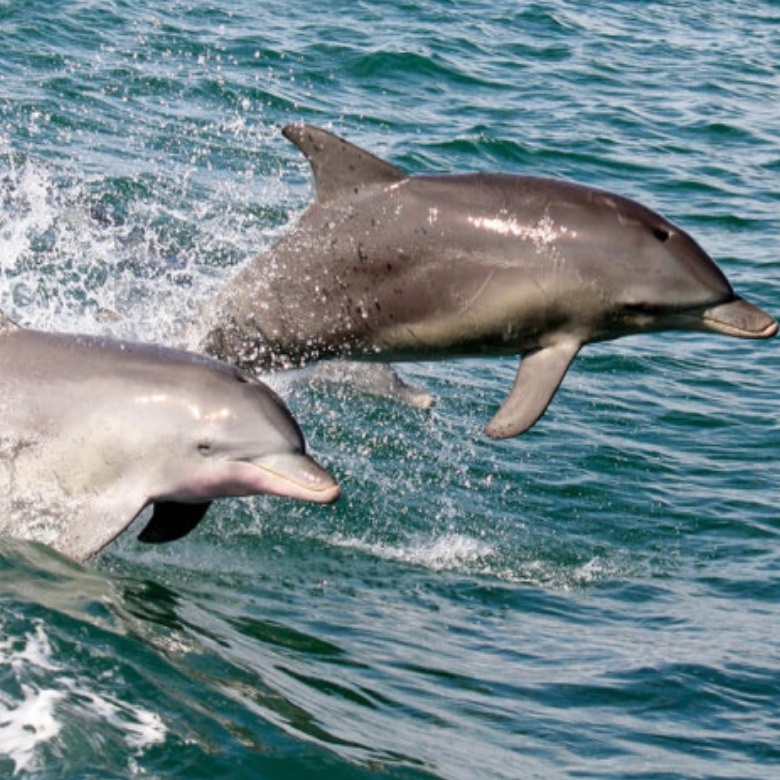
Dolphin Encounters in Big Coppitt Key, Florida

Big Coppitt Key, Florida

Big Coppitt Key offers some of the most intimate and accessible wild-dolphin viewing in the Lower Florida Keys. Tucked between mangrove-fringed flats and quick access to deeper channels, the area supports resident bottlenose populations as well as seasonal visitors. Whether you join a shallow-water kayak tour, a small-boat eco-cruise, or a guided snorkeling trip, the experience here emphasizes close, ethical observation in habitats that are as photogenic as they are fragile. With 28 matching dolphin-focused experiences in the region, options range from short educational outings to half-day charters that combine dolphin watching with snorkeling, birding, or sunset cruising.

28
Activities
Best Months

Top Dolphin Trips in Big Coppitt Key

28 trips • Book with confidence • Instant confirmation

Why Big Coppitt Key is a Compelling Place to See Dolphins

The keys are a mosaic of shallow flats, winding mangrove channels, and nearby deeper cuts where currents bring baitfish close to shore. Around Big Coppitt Key, that mosaic produces repeatable dolphin behavior: social groups that cruise the edges of channels, individuals who investigate small-boat traffic, and mothers teaching calves how to hunt along seagrass beds. What makes Big Coppitt Key special is scale. This is not the crowd-cluttered observation corridor of a large harbor; it's a compact, human-sized coastline where guides can put you into the right water physics and light to watch dolphins behave naturally.

On a good morning you’ll watch small pods thread narrow tidal channels, surface in unison, and turn like a single organism to chase a bait ball. The salt-slicked backs and languid arcs are best appreciated from a low, quiet platform—a kayak or a small skiff—because the animals are often working close to shore and near mangrove shorelines. The area’s geomorphology matters: shallow flats warm quickly, concentrating fish; mangrove roots offer ambush points; and nearby deeper cuts support the prey that draws dolphins in. That proximity produces sightings that feel immediate and cinematic, and it also places responsibility on visitors and operators: this is habitat, not a photo backdrop.

Culturally and ecologically, dolphin experiences here are layered. Longtime anglers, local boaters, and tour operators share an understanding born of daily observation—when dolphins shift behavior, it’s often a signal of changes in tides, prey, or boat pressure. That local knowledge makes guided trips valuable. Guides translate subtle cues—how a pod splits, which channel they favor, whether they’re in foraging mode or social mode—into richer experiences for visitors while keeping interactions low-impact. Conservation context is never far from the surface: Florida’s coastal waters face pressures from development, runoff, and occasional harmful algae blooms, and responsible viewing helps fund and amplify protection efforts.

Practically, dolphin encounters in Big Coppitt Key are accessible to a wide range of travelers: families seeking a gentle morning excursion, photographers chasing soft light, paddlers wanting a wildlife-rich glide, and seasoned naturalists interested in social behavior. The variety of available formats—stand-up paddleboard, kayak, glass-bottom or shallow-draft skiff, and licensed charter—means you can match ambition to comfort. Plan around tide and wind, choose an eco-focused operator, and expect moments of real intimacy with wild dolphins—striking, teachable, and humbling—set against the uniquely Floridian architecture of mangrove roots and pale sand flats.

Small boats and shallow-draft platforms are the norm here—they reduce disturbance and increase sighting chances in tight mangrove channels.

Local guides emphasize passive observation and interpretation over interaction; many trips combine dolphin viewing with snorkeling, seabird watching, or flats fishing.

Seasonal shifts affect visibility and behavior: calmer winter mornings and spring tides often produce the most predictable viewing windows.

Activity focus: Wild dolphin observation & ethical encounter experiences
28 dolphin-focused experiences available around Big Coppitt Key
Most outings are half-day or shorter; combo trips commonly pair snorkeling or birding
Ideal platforms: kayak, stand-up paddleboard, shallow-draft skiff, or small eco-charter
Check local marine health advisories before booking (red tide can sporadically affect the Keys)

Best Time to Visit

Best Months

NovemberDecemberJanuaryFebruaryMarchApril

Weather Notes

Late fall through spring typically brings calmer seas, clearer skies, and more reliable morning windows for watching dolphins. Summer can be hot, humid, and subject to afternoon thunderstorms; winds during summer and hurricane season can make shallow mangrove channels choppy or inaccessible.

Peak Season

Winter and early spring (November–April) see the most tour activity and the calmest mornings for small-boat outings.

Off-Season Opportunities

Summer and early fall often have fewer visitors and more opportunities for private charters, but expect higher temperatures, more insects in mangrove areas, and a greater chance of brief storms or choppy conditions.

Frequently Asked Questions

Do I need a permit to boat or kayak around Big Coppitt Key?

Most recreational boating and paddling areas are open to the public, but specific launch sites may have local rules or fees. Always check with local marinas, ramp operators, and the Florida Fish and Wildlife Conservation Commission for current access regulations.

Can I swim with the dolphins?

Swimming with wild dolphins is discouraged and, where it disturbs animals, can be illegal under federal protections. Opt for guided, ethical tours that prioritize passive observation; never attempt to feed or touch wild dolphins.

How long do dolphin trips typically last?

Most dolphin-focused outings are 1.5 to 4 hours. Combo trips that include snorkeling or sunset cruises can be half-day formats. Short sunrise or pelagic excursions are also available depending on operator offerings.

Choose Your Experience Level

Beginner

Low-effort, high-reward outings: short skiff cruises or guided kayak trips in protected waters. Suitable for families and non-paddlers.

  • Shallow-water dolphin cruise
  • Guided family kayak dolphin watch
  • Short snorkeling + dolphin-observation combo

Intermediate

More active options that may require basic paddling skills, light snorkeling experience, or a comfort with small-boat transfers.

  • Half-day kayak expedition through mangrove channels
  • SUP (stand-up paddleboard) dolphin sighting run
  • Eco-charter with snorkeling and birding

Advanced

Longer boat charters, photo-centric expeditions, or multi-activity days that require planning, sun endurance, and possibly boat-handling experience.

  • Full-day charter combining nearshore and deeper-water search
  • Dedicated wildlife photography charter
  • Volunteer or research-participation trips (subject to availability)

Insider Tips & Local Knowledge

Prioritize certified eco-guides, check marine health reports, and arrive prepared for sun, wind, and quick weather changes.

Start trips at first light when winds are typically lowest and dolphins are actively foraging near shallow flats. Choose operators who state clear wildlife-viewing policies—no chasing, no feeding, and minimal engine wake in tight channels. Bring polarized sunglasses and a small lens cloth; glare off the water hides subtle surface behaviors. If you plan to paddle, practice basic re-entry skills before heading into open water and be mindful of tide schedules that affect channel depth. Respect the animals and their habitat: do not attempt to swim out to dolphins, avoid sudden loud noises, and follow your guide’s directions for maintaining a calm presence. Finally, scan local advisories for red tide or other marine-health alerts—conditions can change quickly, and responsible operators will cancel or alter excursions when necessary.

What to Bring

Essential

  • Light waterproof layers and a sun hat
  • Sunglasses with polarized lenses
  • Reef-safe sunscreen (biodegradable)
  • Water bottle and small snacks
  • Waterproof phone case or camera housing

Recommended

  • Light long-sleeve sun shirt and UV-protective layers
  • Binoculars for distant groups and bird ID
  • Small dry bag for valuables
  • Quick-dry towel

Optional

  • Underwater camera or action cam for snorkeling
  • Compact field guide for coastal birds and marine mammals
  • Water shoes for rocky or muddy launches

Ready for Your Dolphin Adventure?

Browse 28 verified trips in Big Coppitt Key with instant booking

Explore Top 15 Big Coppitt Key, Florida Adventures →