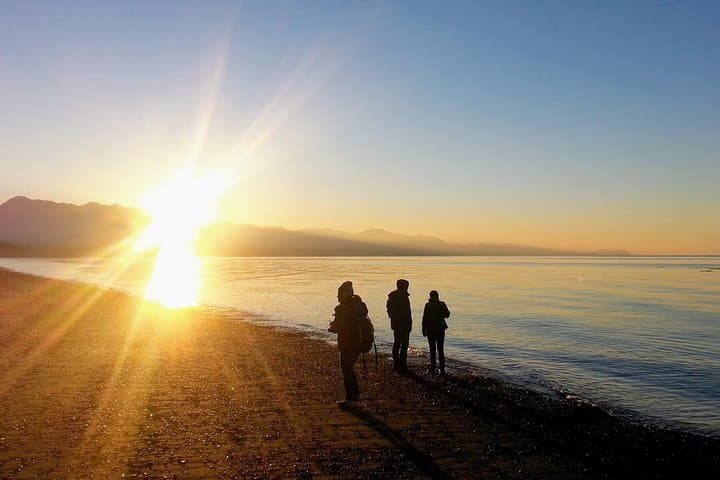
Wilderness Landscape & Natural Heritage
Olympic Wilderness covers approximately 628,000 acres within Olympic National Park on Washington’s Olympic Peninsula. This federally designated wilderness area protects diverse ecosystems ranging from temperate rainforests and alpine meadows to glacier-covered peaks. The rugged terrain includes notable summits such as Mount Olympus, standing at 7,980 feet, alongside deep valleys and swift, wild rivers. The wilderness is home to old-growth forests dominated by Douglas fir, western hemlock, and Sitka spruce, as well as subalpine and alpine habitats supporting rare flora and fauna. Wildlife includes Roosevelt elk, black bears, mountain goats, and a variety of bird species, including spotted owls and marbled murrelets. The area’s temperate rainforest, one of the largest intact in the continental U.S., receives heavy annual rainfall and boasts some of the tallest trees in the world. Historically, the Olympic Wilderness has been inhabited by indigenous peoples for thousands of years, and many cultural sites remain within its boundaries. Outdoor enthusiasts are drawn here for its challenging backpacking routes like the High Divide and Enchanted Valley, renowned for spectacular mountain views, lush meadows, and secluded solitude. The wilderness also includes access to the wild and scenic Hoh and Quinault Rivers. Due to its protected status, motorized vehicles and mechanized equipment are prohibited, ensuring minimal human impact and preserving its wilderness character. Olympic Wilderness invites visitors seeking solitude, natural beauty, and rugged adventure across an extraordinary Pacific Northwest landscape.