About this landmark
Lake 69 & Brief Context
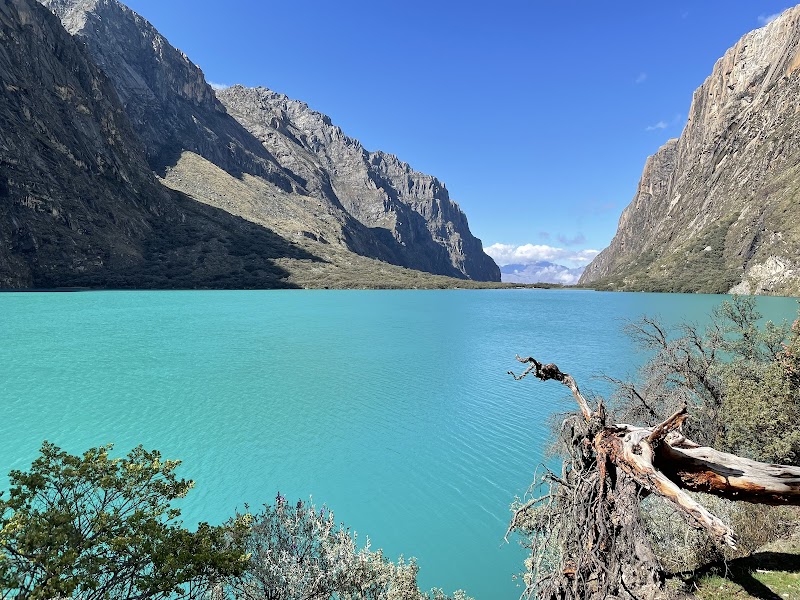
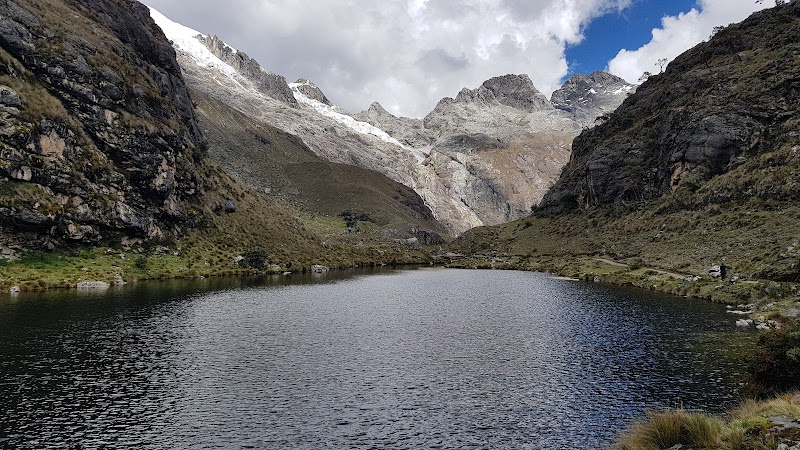
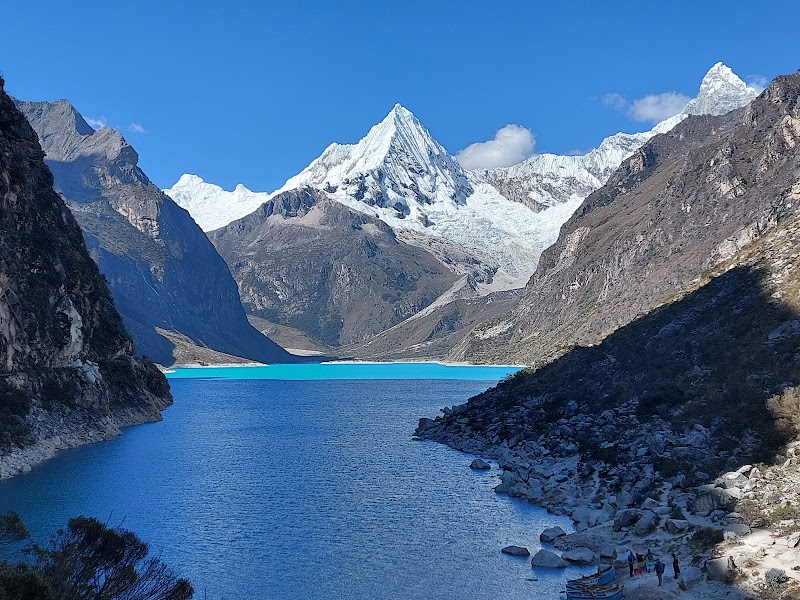
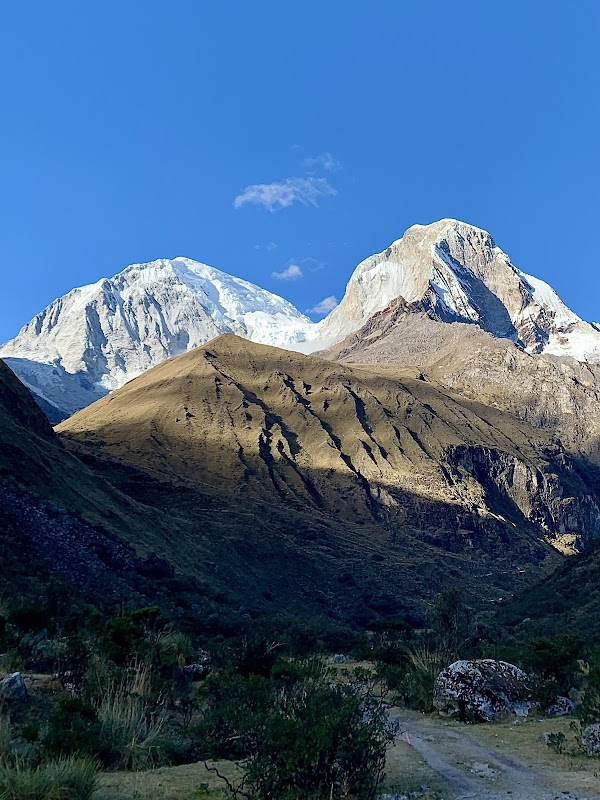
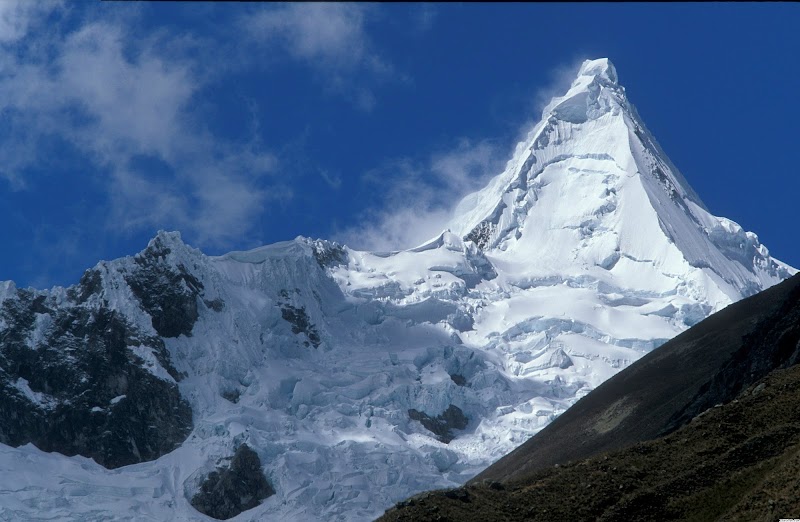
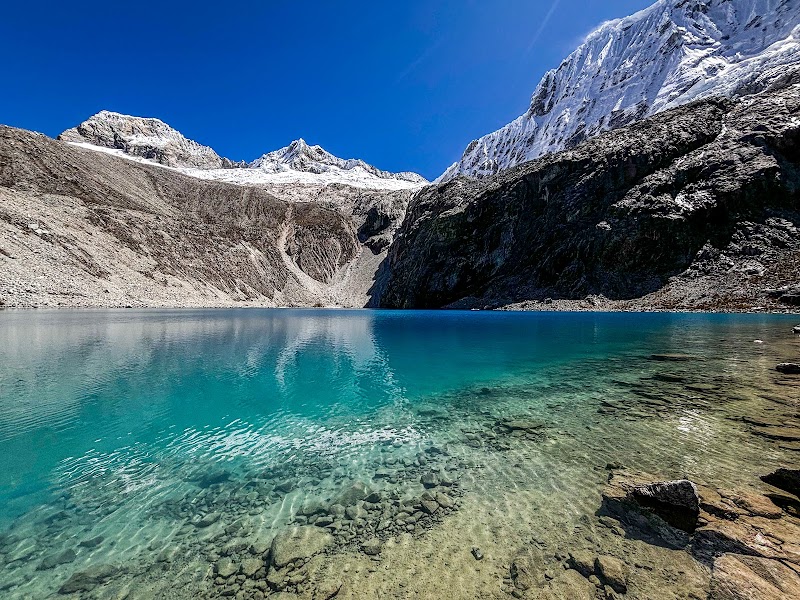
Lake 69 is a dazzling high-altitude lake located in the Cordillera Blanca range of the Andes, near the city of Huaraz in the Ancash region of Peru. Nestled between soaring snow-capped peaks, it's renowned for its stunning turquoise-blue waters and panoramic views, making it a standout destination for nature enthusiasts.
Surrounded by awe-inspiring glaciers, this remote lake is accessible only by a challenging hiking trail that rewards visitors with a breathtaking vista at the end. Framed by rugged mountains and clear skies, the lake reflects the pristine beauty of its environment.
The glacial meltwater feeds into the lake, giving it the characteristic vibrant color. It's a part of Huascarán National Park, a designated UNESCO World Heritage site, known for its rich biodiversity and unique geological formations.
Lake 69 holds cultural significance as well, linked to local legends about the spirits dwelling in these sacred waters.
An Example of Beauty & Adventure
Visitors are captivated by the sheer beauty of the mirrored water, the serenity of its setting, and the challenge of the journey, making Lake 69 an unforgettable highlight for adventure seekers and photographers alike.
Adventure Guide
Adventure Guide To Lake 69
1. Hiking to Lake 69
- Trailhead Location: Begins near the village of Cebollapampa.
- What makes it special: The hike offers striking views of the valleys and mountains.
- Key features: A 10-kilometer round-trip trail with elevation gain, fit for experienced hikers.
- Local Insights: Known for its rare flora and fauna, including the Andean condor.
- Visitor Tips:
- Best times to visit: Dry season from May to September.
- What to bring: Water, sturdy hiking boots, layered clothing.
- Directions: From Huaraz, a 3-hour drive to the trailhead.
2. Photography at Lake 69
- Scenic Spots: Capture the reflective basin against glacial backdrops.
- Special aspects: Unique lighting from sunrise to midday.
- Visitor Tips:
- Best visited early morning for softer light.
3. Wildlife Observation
- Species: Spot high-altitude species like vicuñas and llamas.
- Unique flora: Glacial wildflowers and native shrubs.
Visitor Tips
- Best Times:Spring and Fall for favorable conditions and optimal lighting.
- What to Bring:Plenty of water, sun protection, a camera, and respectful Leave-No-Trace mindset.