THE ADVENTURE COLLECTIVE® · Independent discovery and booking for outdoor travel

A full-day trek from Huaraz to Laguna 69 delivers glacier-fed turquoise water, dramatic views of Chacraraju, and a straightforward but altitude-demanding hike. This guide explains what to expect, how to prepare, and the best times to go.
A full-day trek from Huaraz to Laguna 69 delivers glacier-fed turquoise water, dramatic views of Chacraraju, and a straightforward but altitude-demanding hike. This guide explains what to expect, how to prepare, and the best times to go.
You leave Huaraz before dawn, the bus headlights carving a path through high Andean air as peaks darken against the first pink light. By the time you step onto the trail at Oncishapampa (≈3,850 m), the valley smells of cold stone and wet grass; the trail climbs in a long zigzag, lungs working as the world compresses into rock, snow, and sky.
Verified experiences and guided adventures in the surrounding area.
Operated by ATV CUSCO ADVENTURES ON WHEELS · Huaraz, Ancash
You leave Huaraz before dawn, the bus headlights carving a path through high Andean air as peaks darken against the first pink light. By the time you step onto the trail at Oncishapampa (≈3,850 m), the valley smells of cold stone and wet grass; the trail climbs in a long zigzag, lungs working as the world compresses into rock, snow, and sky.
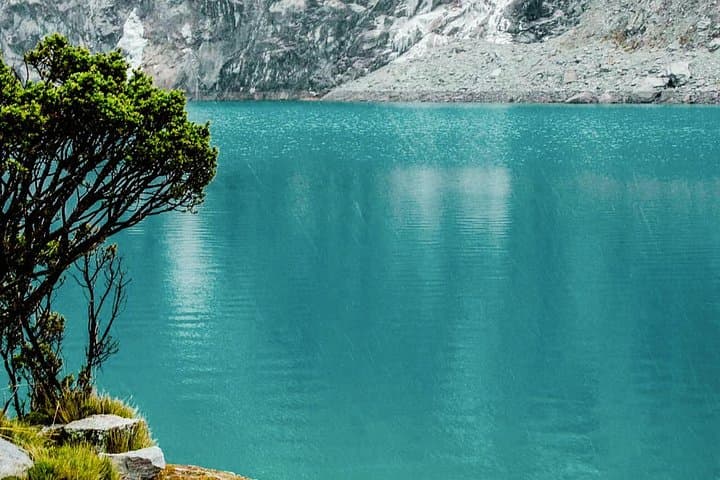
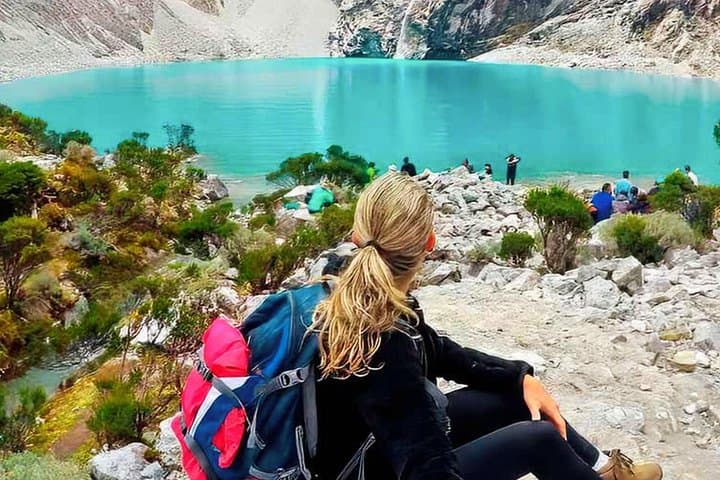
Laguna 69 sits at about 4,650 m, a bright, glacier-fed bowl that mirrors Chacraraju and Pisco. The lake formed where glacial melt collected below steep moraines; the surrounding cirques and serrated ridges tell a short geological history of uplift and ice sculpting. The route runs through Huascarán National Park, an area with Quechua cultural ties and pastoral grazing—keepers of this landscape still move herds seasonally and maintain trails used for generations.
Expect three hours of steady ascent and roughly two hours back to the trailhead; altitude is the real variable. Guides share local stories and point out native ichu grass, polylepis pockets and the occasional Andean fox or bird of prey. Bring layered clothing for rapid weather shifts: sun, wind, and sleet can arrive in the same hour.
Logistics are straightforward: early hotel pickup, a short breakfast stop, park entry at the Llanganuco checkpoint, and an air-conditioned transfer. Carry 2–3 liters of water, high-energy snacks, and a lightweight windproof shell. Pace your breathing on the switchbacks, watch for loose rock, and allow time at the lake to absorb the angle of mountains meeting water—the payoff is the view and the thin, clear silence of the high Andes.
challenging.
12–13 hours.
Good aerobic fitness and prior high-altitude exposure recommended; expect sustained uphill hiking and thin air.
The uphill section is roughly 3 hours with about 750–850 m of elevation gain (from ~3,850 m to ~4,650 m); return is about 2 hours downhill plus transfer time.
Yes—spending 1–2 nights in Huaraz or similar altitude beforehand is strongly recommended to lower altitude sickness risk.
No technical climbing is required, but the steep, sustained switchbacks and high altitude make it physically demanding.
Typical inclusions are hotel pickup, transport to the trailhead in an air-conditioned vehicle, a bilingual guide, and a first-aid kit; confirm specifics with the operator.
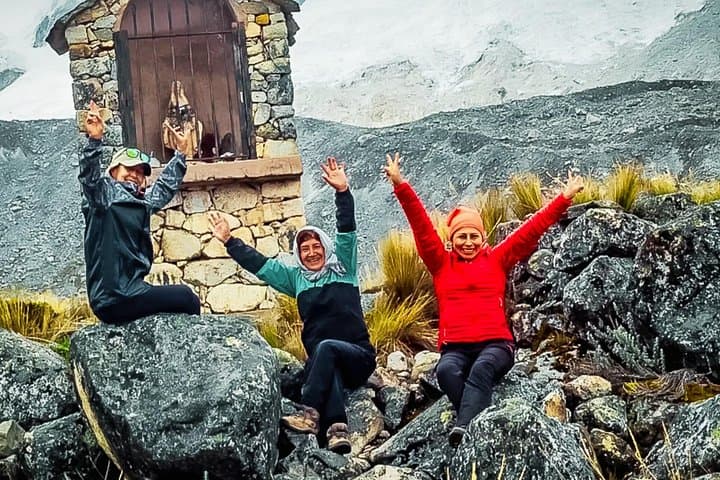
Huascarán National Park protects cultural grazing lands and archaeological trails historically used by Andean communities; many modern trail lines follow routes used for centuries.
Visitors are expected to stay on trails and pack out waste; the park works with local communities to limit visitor impact and fund conservation efforts.
ATV CUSCO ADVENTURES ON WHEELS operates guided outdoor trips and adventures with an emphasis on safety, stewardship, and memorable experiences.
You leave Huaraz before dawn, the bus headlights carving a path through high Andean air as peaks darken against the first pink light. By the time you step onto the trail at Oncishapampa (≈3,850 m), the valley smells of cold stone and wet grass; the trail climbs in a long zigzag, lungs working as the world compresses into rock, snow, and sky.
You leave Huaraz before dawn, the bus headlights carving a path through high Andean air as peaks darken against the first pink light. By the time you step onto the trail at Oncishapampa (≈3,850 m), the valley smells of cold stone and wet grass; the trail climbs in a long zigzag, lungs working as the world compresses into rock, snow, and sky.
Laguna 69 sits at about 4,650 m, a bright, glacier-fed bowl that mirrors Chacraraju and Pisco. The lake formed where glacial melt collected below steep moraines; the surrounding cirques and serrated ridges tell a short geological history of uplift and ice sculpting. The route runs through Huascarán National Park, an area with Quechua cultural ties and pastoral grazing—keepers of this landscape still move herds seasonally and maintain trails used for generations.
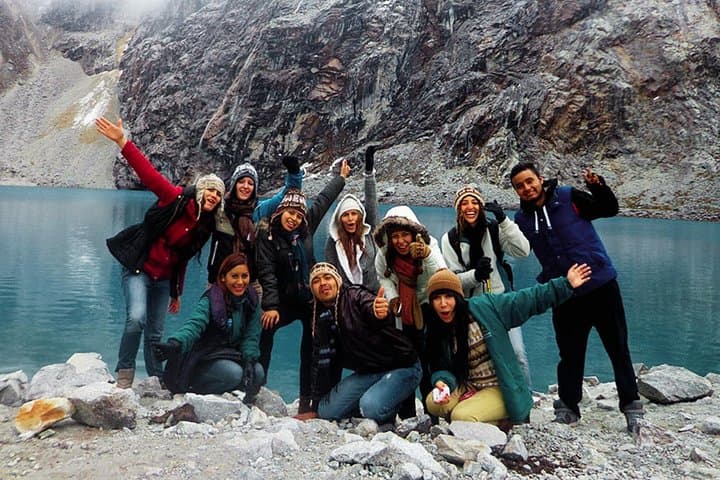
Expect three hours of steady ascent and roughly two hours back to the trailhead; altitude is the real variable. Guides share local stories and point out native ichu grass, polylepis pockets and the occasional Andean fox or bird of prey. Bring layered clothing for rapid weather shifts: sun, wind, and sleet can arrive in the same hour.
Logistics are straightforward: early hotel pickup, a short breakfast stop, park entry at the Llanganuco checkpoint, and an air-conditioned transfer. Carry 2–3 liters of water, high-energy snacks, and a lightweight windproof shell. Pace your breathing on the switchbacks, watch for loose rock, and allow time at the lake to absorb the angle of mountains meeting water—the payoff is the view and the thin, clear silence of the high Andes.