THE ADVENTURE COLLECTIVE® · Independent discovery and booking for outdoor travel

Climb into the high Andes for a classic day hike to Laguna 69 in Huascarán National Park. Expect steep, rocky trails, glacial lakes, and sweeping views at 4,600 m—plan for altitude, sun, and a long but rewarding day from Huaraz.
Climb into the high Andes for a classic day hike to Laguna 69 in Huascarán National Park. Expect steep, rocky trails, glacial lakes, and sweeping views at 4,600 m—plan for altitude, sun, and a long but rewarding day from Huaraz.
A pale morning light breaks over the Cordillera Blanca as the trailhead empties its cluster of trekkers into a wash of wind and stone. The path climbs quickly, and the air bites—Laguna 69 waits above the tree line, a cut of intense turquoise trapped between granite ribs and a fringe of snow.
Verified experiences and guided adventures in the surrounding area.
Operated by Turismo iPeru · Huaraz, Ancash
A pale morning light breaks over the Cordillera Blanca as the trailhead empties its cluster of trekkers into a wash of wind and stone. The path climbs quickly, and the air bites—Laguna 69 waits above the tree line, a cut of intense turquoise trapped between granite ribs and a fringe of snow.
Huascarán National Park, carved by Pleistocene glaciers, showcases steep moraines and glacial cirques; Laguna 69 sits at roughly 4,600 m and is fed by meltwater from peaks like Chacraraju. The valley has long been grazed by local communities—their llamas and alpacas dot the slopes—and the region’s Quechua culture is woven into trail etiquette and shepherding patterns you’ll notice along the way.
Geology here is blunt and immediate: shattered granite, glacial till, and the abrupt blue of high-mountain lakes. Water seems to dare you forward—cascades and braided streams push the rhythm of the approach.
Expect a steep, rocky ascent of roughly 6 km one-way with 600–800 m of gain, loose scree, and sections where altitude magnifies exertion. Plan for a full day from Huaraz including transport; many operators stop briefly at Laguna Llanganuco en route.
Practical guidance: acclimatize in Huaraz for at least 48 hours, carry warm layers and sun protection, and bring 2–3 liters of water plus snacks. Move deliberately on the final pitches—short, steady steps beat sprinting. When you reach the lake, leave nothing but footprints and time for photos: reflections here change with every gust and cloud.
challenging.
10–13 hours.
Requires strong cardiovascular fitness and prior high-altitude experience; able to sustain steady uphill hiking for several hours.
The trail is roughly 10–12 km round trip with about 600–800 m of elevation gain; most groups take 4–6 hours round-trip for the hike portion plus transport time.
Yes—Laguna 69 sits near 4,600 m. Stay in Huaraz for 1–2 nights, avoid heavy exertion on arrival day, and watch for altitude symptoms.
The route is steep and rocky but non-technical—no ropes needed; however, loose scree and high altitude make it physically demanding.
This trek is not recommended for very young children, pregnant travelers, or people with serious cardiovascular or spinal conditions due to the altitude and sustained exertion.
The Cordillera Blanca has been a highland pasture and trade corridor for Quechua communities for centuries; many place names and pastoral practices on the trail reflect that living heritage.
Huascarán National Park is protected, with permit fees supporting park management; follow leave-no-trace principles—especially regarding waste and campfires—to minimize impact.
Turismo iPeru operates guided outdoor trips and adventures with an emphasis on safety, stewardship, and memorable experiences.
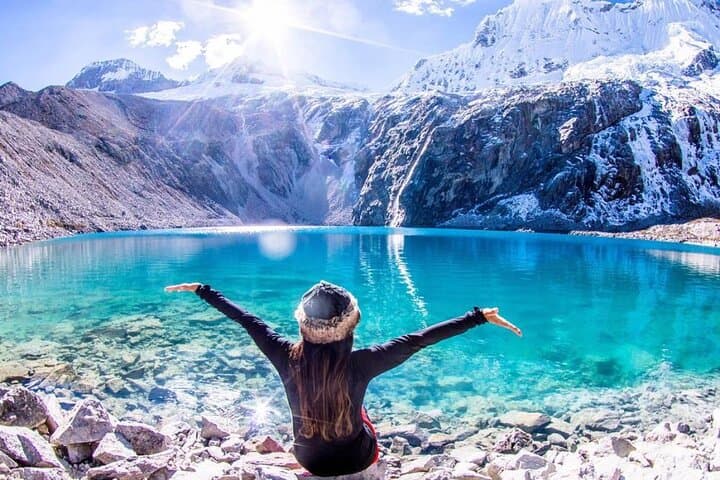
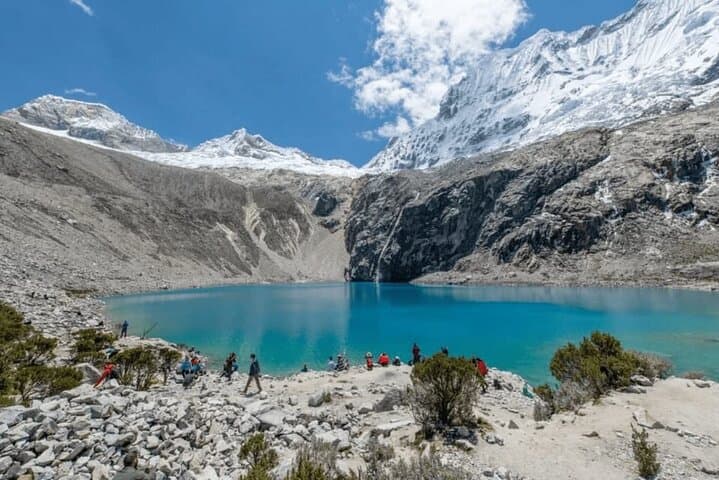
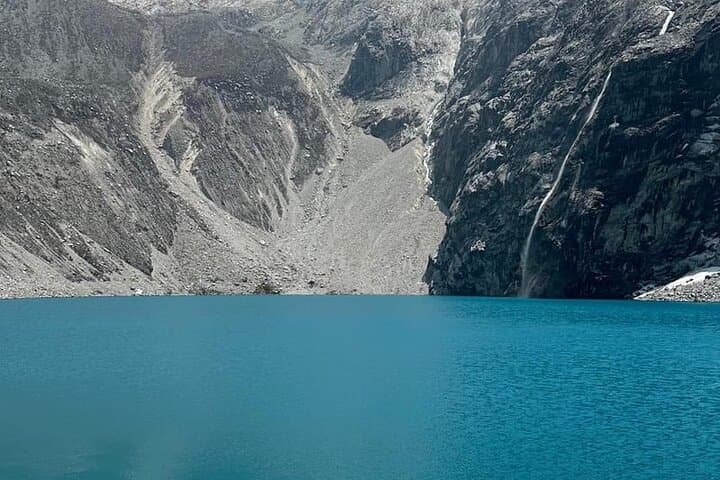
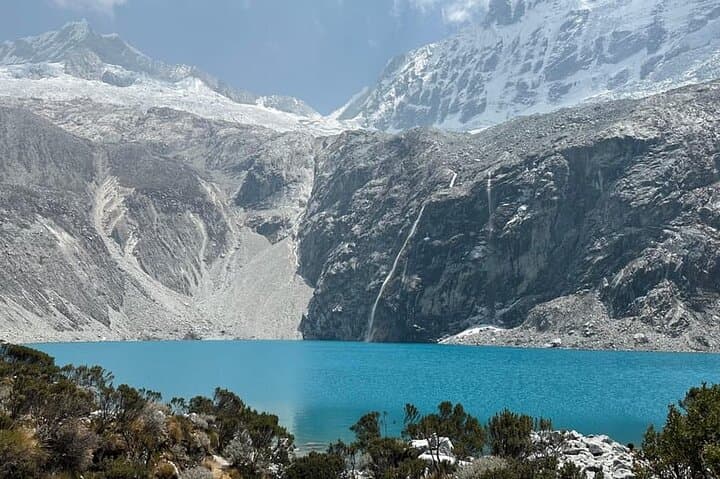
A pale morning light breaks over the Cordillera Blanca as the trailhead empties its cluster of trekkers into a wash of wind and stone. The path climbs quickly, and the air bites—Laguna 69 waits above the tree line, a cut of intense turquoise trapped between granite ribs and a fringe of snow.
A pale morning light breaks over the Cordillera Blanca as the trailhead empties its cluster of trekkers into a wash of wind and stone. The path climbs quickly, and the air bites—Laguna 69 waits above the tree line, a cut of intense turquoise trapped between granite ribs and a fringe of snow.
Huascarán National Park, carved by Pleistocene glaciers, showcases steep moraines and glacial cirques; Laguna 69 sits at roughly 4,600 m and is fed by meltwater from peaks like Chacraraju. The valley has long been grazed by local communities—their llamas and alpacas dot the slopes—and the region’s Quechua culture is woven into trail etiquette and shepherding patterns you’ll notice along the way.
Geology here is blunt and immediate: shattered granite, glacial till, and the abrupt blue of high-mountain lakes. Water seems to dare you forward—cascades and braided streams push the rhythm of the approach.
Expect a steep, rocky ascent of roughly 6 km one-way with 600–800 m of gain, loose scree, and sections where altitude magnifies exertion. Plan for a full day from Huaraz including transport; many operators stop briefly at Laguna Llanganuco en route.
Practical guidance: acclimatize in Huaraz for at least 48 hours, carry warm layers and sun protection, and bring 2–3 liters of water plus snacks. Move deliberately on the final pitches—short, steady steps beat sprinting. When you reach the lake, leave nothing but footprints and time for photos: reflections here change with every gust and cloud.