THE ADVENTURE COLLECTIVE® · Independent discovery and booking for outdoor travel

Experience the technical, high-altitude climb to Huascarán — the highest tropical mountain on Earth. This 6-day expedition combines multi-day camping, glacier travel, and a summit push from 6,000m high camp; strong acclimatization and mountaineering skills required.
Experience the technical, high-altitude climb to Huascarán — the highest tropical mountain on Earth. This 6-day expedition combines multi-day camping, glacier travel, and a summit push from 6,000m high camp; strong acclimatization and mountaineering skills required.
You leave Huaraz before dawn and the Cordillera Blanca unrolls like a colossus ahead: serrated ridges, blue glaciers that dare you closer, and the twin summits of Huascarán rising above 6,700 meters. The trail from Musho climbs through puna grass and winds past moraines until tents appear at 4,330m — a small human patch on an ancient, moving icefield.
Verified experiences and guided adventures in the surrounding area.
Operated by Andean Summit Multiservicios S.R.L. · Huaraz, Ancash
You leave Huaraz before dawn and the Cordillera Blanca unrolls like a colossus ahead: serrated ridges, blue glaciers that dare you closer, and the twin summits of Huascarán rising above 6,700 meters. The trail from Musho climbs through puna grass and winds past moraines until tents appear at 4,330m — a small human patch on an ancient, moving icefield.
Huascarán sits in Huascarán National Park, created in the 1970s to protect these tropical glaciers and high-Andean ecosystems. Geologically the range is young and steep; uplifted rock and heavy glaciation carve sharp cols and crevassed glaciers that demand technical ropework. Local Quechua communities in the valleys still raise llamas and maintain stone trails used for centuries.
Practically, this is a serious alpine itinerary: multi-day camping, scheduled acclimatization, rope-and-ice travel and a summit push from a 6,000m high camp. Expect thin air, strong sun, and sudden weather shifts — afternoons often bring snow or sleet even in the dry season. Guides provide porters, tents, and technical gear, but climbers must be comfortable with crampons, ice axes, and self-arrest.
Plan for layered insulation, high-calorie meals, and slow, deliberate movement to manage altitude. Hydrate frequently, consider acetazolamide after consulting a physician, and keep summit days flexible for weather windows. When successful, the summit delivers a raw panorama: jagged glaciers stepping down into green valleys, condors riding thermals, and the knowledge that you’ve climbed the highest tropical peak on Earth.
expert.
6 days.
High aerobic fitness with prior high-altitude or alpine experience; able to carry a daypack and perform technical climbs.
Yes — this itinerary requires prior glacier travel experience, comfortable use of crampons and ice axe, and rope skills; novices should seek formal training before joining.
Guides, camping and climbing equipment, meals listed for each day, and a porter from base to high camp are included; check the operator for exact gear lists and permits.
The dry season (May–September) offers the most stable weather and is the preferred climbing window, though conditions can change rapidly at any time of year.
Most departures begin in Huaraz; a short drive to Musho or nearby trailheads starts the approach — organizers typically provide pickup from Huaraz hostels.
Huascarán dominates the Cordillera Blanca and sits within Huascarán National Park; the region has long been inhabited by Quechua-speaking communities and was the site of high-magnitude natural events such as the 1970 avalanche that reshaped local settlements.
Glaciers in the Cordillera Blanca are retreating rapidly; stick to established routes, pack out waste, and follow park rules and guide instructions to minimize impact.
Andean Summit Multiservicios S.R.L. operates guided outdoor trips and adventures with an emphasis on safety, stewardship, and memorable experiences.
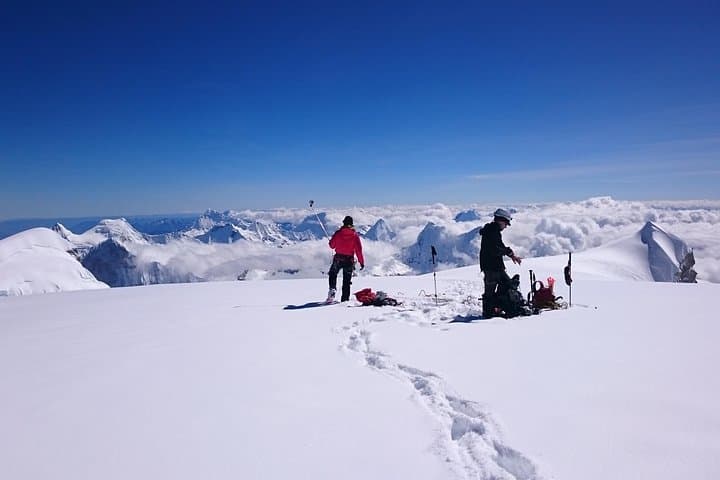
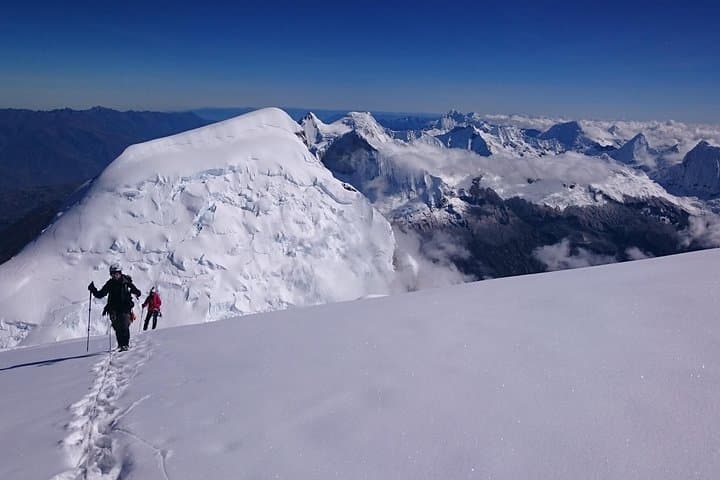
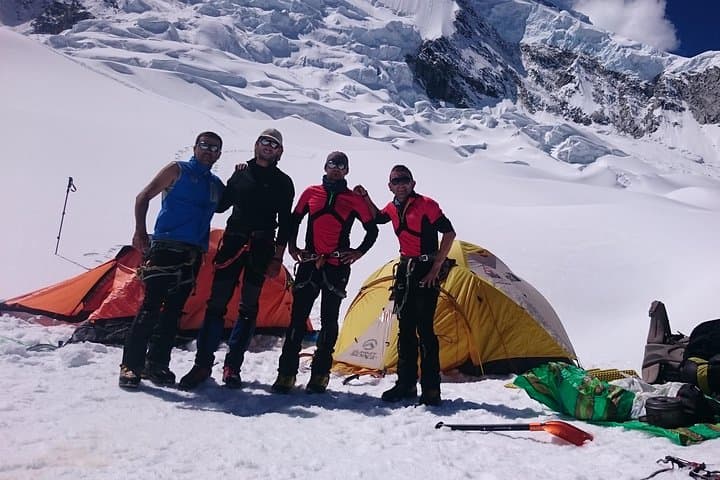
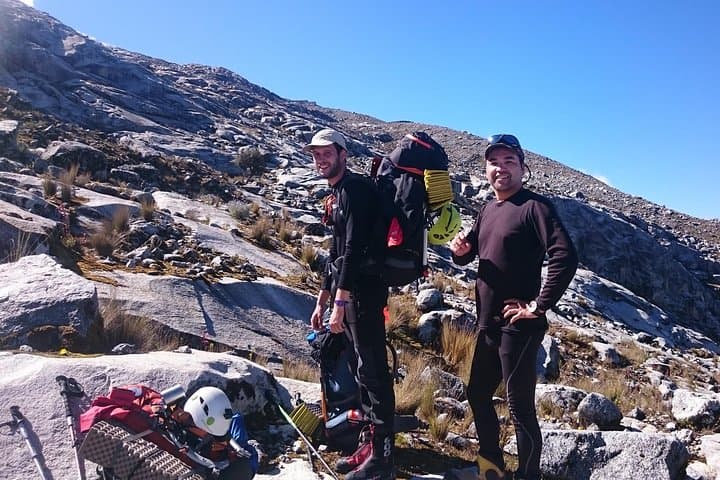
You leave Huaraz before dawn and the Cordillera Blanca unrolls like a colossus ahead: serrated ridges, blue glaciers that dare you closer, and the twin summits of Huascarán rising above 6,700 meters. The trail from Musho climbs through puna grass and winds past moraines until tents appear at 4,330m — a small human patch on an ancient, moving icefield.
You leave Huaraz before dawn and the Cordillera Blanca unrolls like a colossus ahead: serrated ridges, blue glaciers that dare you closer, and the twin summits of Huascarán rising above 6,700 meters. The trail from Musho climbs through puna grass and winds past moraines until tents appear at 4,330m — a small human patch on an ancient, moving icefield.
Huascarán sits in Huascarán National Park, created in the 1970s to protect these tropical glaciers and high-Andean ecosystems. Geologically the range is young and steep; uplifted rock and heavy glaciation carve sharp cols and crevassed glaciers that demand technical ropework. Local Quechua communities in the valleys still raise llamas and maintain stone trails used for centuries.
Practically, this is a serious alpine itinerary: multi-day camping, scheduled acclimatization, rope-and-ice travel and a summit push from a 6,000m high camp. Expect thin air, strong sun, and sudden weather shifts — afternoons often bring snow or sleet even in the dry season. Guides provide porters, tents, and technical gear, but climbers must be comfortable with crampons, ice axes, and self-arrest.
Plan for layered insulation, high-calorie meals, and slow, deliberate movement to manage altitude. Hydrate frequently, consider acetazolamide after consulting a physician, and keep summit days flexible for weather windows. When successful, the summit delivers a raw panorama: jagged glaciers stepping down into green valleys, condors riding thermals, and the knowledge that you’ve climbed the highest tropical peak on Earth.