THE ADVENTURE COLLECTIVE® · Independent discovery and booking for outdoor travel

Swap daytime reef panoramas for focused, cinematic encounters: a one-tank night shore dive off Lahaina reveals octopus, lobsters, nudibranchs and hunting eels. Small groups and attentive guides make this certified dive ideal for divers who want to watch reef life after dark.
Swap daytime reef panoramas for focused, cinematic encounters: a one-tank night shore dive off Lahaina reveals octopus, lobsters, nudibranchs and hunting eels. Small groups and attentive guides make this certified dive ideal for divers who want to watch reef life after dark.
The first beam cuts through black water like a flashlight in a cathedral. On a warm Maui evening, the reef off Lahaina stops being a postcard and becomes a theater: a glow of eyeshine, the slow, deliberate stroll of a coconut octopus under a ledge, a spiny lobster tucked into crevice, and nudibranchs crawling across anemone like tiny, eccentric flags. This one-tank, small-group night shore dive—limited to four certified divers—turns the reef’s nocturnal cast list into a front-row encounter.
Verified experiences and guided adventures in the surrounding area.
Operated by Extended Horizons Scuba · Lahaina, Hawaii
The first beam cuts through black water like a flashlight in a cathedral. On a warm Maui evening, the reef off Lahaina stops being a postcard and becomes a theater: a glow of eyeshine, the slow, deliberate stroll of a coconut octopus under a ledge, a spiny lobster tucked into crevice, and nudibranchs crawling across anemone like tiny, eccentric flags. This one-tank, small-group night shore dive—limited to four certified divers—turns the reef’s nocturnal cast list into a front-row encounter.
Geologically the shoreline here is young lava rock sculpted by recent volcanic flows, and coral has colonized its pockets and ledges. Unlike daytime reef snorkeling that favors breadth, night diving in Maui rewards patience: invertebrates and hunting fish become bold after sunset. Culturally, the ocean is central to Hawaiian life; local dive operators emphasize respect for creatures and the reef—observe, don’t prod—reflecting the practice of mālama ʻāina (care for the land and sea).
Expect targeted, slow-moving exploration rather than long distance swimming. The dive typically stays inshore at depths ranging roughly 10–60 feet (3–18 m), which keeps ascent profiles straightforward but still requires good buoyancy control so you don’t kick up silt or disturb the animals you came to see. Guides highlight behaviors—an octopus rearranging shells, the probing hunt of an eel—offering an education in reef ecology as much as a thrill.
Practical details matter. The meeting point is a central Lahaina dive shop (94 Kupuohi St); the whole activity runs about three hours, with one bottom time for the certified night dive. All required equipment is provided, but a personal dive light or a backup is highly valued—operators also supply bright guide lights. Certification card is mandatory, minors must be at least 12, and medical waivers and dive forms must be completed before arrival. Note important safety rules: no flying within 24 hours after diving, and a doctor’s note is required for certain medical conditions.
Timing is flexible year-round—summer tends to bring calmer seas and easier shore entries, while winter can have larger swells and more variable conditions. Humpback season (roughly December–April) fills the island with whales by day but doesn’t change what prowls the reef at night. Small groups mean more time observing and less rushing—ideal for photographers using red-light settings or macro lenses.
If you want a tactile, observational dive that contrasts sharply with daytime reef cruises, this Lahaina night shore dive delivers. Bring solid buoyancy skills, an eagerness to slow down, and a respect for the reef’s inhabitants; the ocean will repay you with behaviors rarely seen in daylight.
moderate.
3 hours.
Moderate level of fitness; comfortable swimming and ability to manage equipment and shore entries recommended
Yes—this is a certified diver night shore dive and all participants must present valid dive certification.
Expect octopus, lobsters, eels, squid, nudibranchs and other invertebrates that are more active at night.
Night experience is recommended for comfort, but experienced day divers with good buoyancy control can often participate—check with the operator.
Depths typically range 10–60 feet (3–18 m); bottom time varies by air consumption but most shore night dives use a single tank and stay within safe no-decompression limits.
Meet at the dive shop in central Lahaina (94 Kupuohi St #A1); most accommodations in Lahaina are within easy driving distance.
Yes—photographers are welcome; bring red filters or proper lighting and secure mounts to avoid damaging the reef.
Lahaina was once the royal capital of the Hawaiian Kingdom and a historic whaling port; the reef has supported local fishing and cultural practices for generations.
Operators emphasize reef-friendly behavior—no touching, no collecting—and encourage reef-safe sunscreen and low-impact buoyancy to protect coral and invertebrate habitats.
Extended Horizons Scuba operates guided outdoor trips and adventures with an emphasis on safety, stewardship, and memorable experiences.
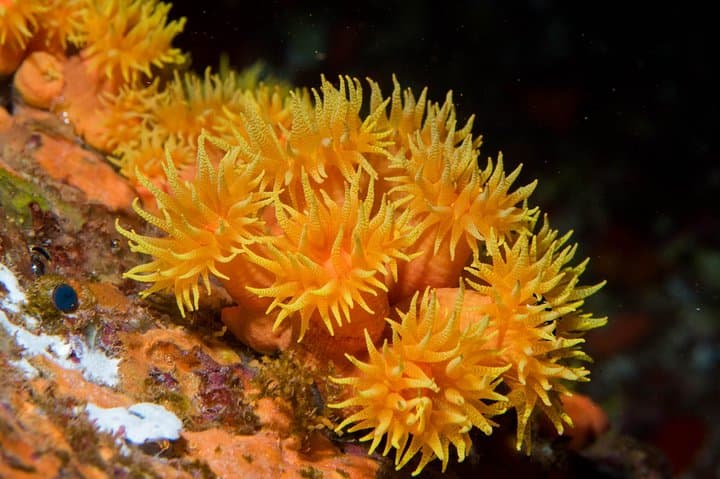
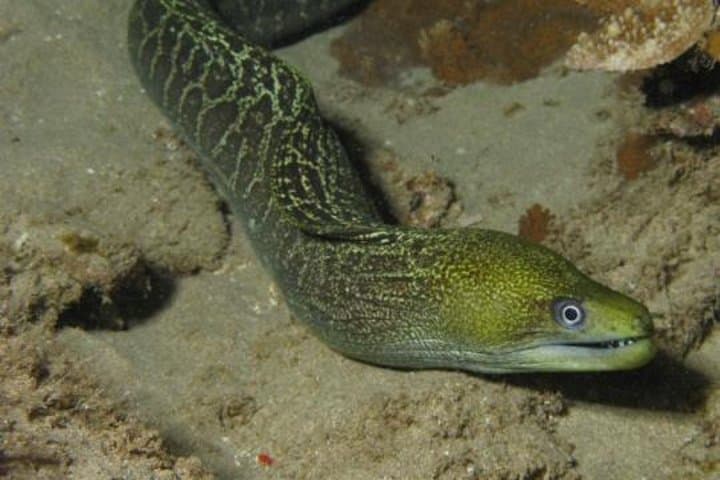
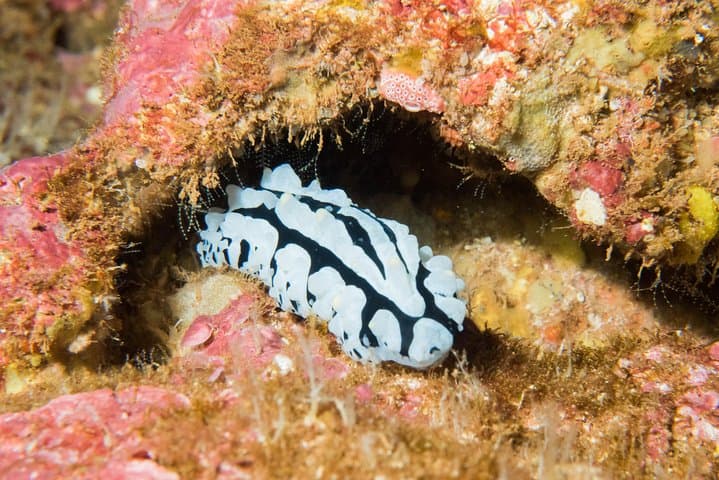
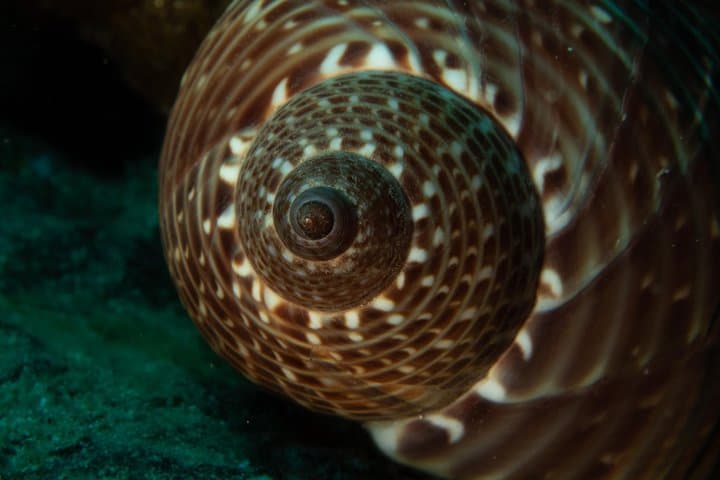
The first beam cuts through black water like a flashlight in a cathedral. On a warm Maui evening, the reef off Lahaina stops being a postcard and becomes a theater: a glow of eyeshine, the slow, deliberate stroll of a coconut octopus under a ledge, a spiny lobster tucked into crevice, and nudibranchs crawling across anemone like tiny, eccentric flags. This one-tank, small-group night shore dive—limited to four certified divers—turns the reef’s nocturnal cast list into a front-row encounter.
The first beam cuts through black water like a flashlight in a cathedral. On a warm Maui evening, the reef off Lahaina stops being a postcard and becomes a theater: a glow of eyeshine, the slow, deliberate stroll of a coconut octopus under a ledge, a spiny lobster tucked into crevice, and nudibranchs crawling across anemone like tiny, eccentric flags. This one-tank, small-group night shore dive—limited to four certified divers—turns the reef’s nocturnal cast list into a front-row encounter.
Geologically the shoreline here is young lava rock sculpted by recent volcanic flows, and coral has colonized its pockets and ledges. Unlike daytime reef snorkeling that favors breadth, night diving in Maui rewards patience: invertebrates and hunting fish become bold after sunset. Culturally, the ocean is central to Hawaiian life; local dive operators emphasize respect for creatures and the reef—observe, don’t prod—reflecting the practice of mālama ʻāina (care for the land and sea).
Expect targeted, slow-moving exploration rather than long distance swimming. The dive typically stays inshore at depths ranging roughly 10–60 feet (3–18 m), which keeps ascent profiles straightforward but still requires good buoyancy control so you don’t kick up silt or disturb the animals you came to see. Guides highlight behaviors—an octopus rearranging shells, the probing hunt of an eel—offering an education in reef ecology as much as a thrill.
Practical details matter. The meeting point is a central Lahaina dive shop (94 Kupuohi St); the whole activity runs about three hours, with one bottom time for the certified night dive. All required equipment is provided, but a personal dive light or a backup is highly valued—operators also supply bright guide lights. Certification card is mandatory, minors must be at least 12, and medical waivers and dive forms must be completed before arrival. Note important safety rules: no flying within 24 hours after diving, and a doctor’s note is required for certain medical conditions.
Timing is flexible year-round—summer tends to bring calmer seas and easier shore entries, while winter can have larger swells and more variable conditions. Humpback season (roughly December–April) fills the island with whales by day but doesn’t change what prowls the reef at night. Small groups mean more time observing and less rushing—ideal for photographers using red-light settings or macro lenses.
If you want a tactile, observational dive that contrasts sharply with daytime reef cruises, this Lahaina night shore dive delivers. Bring solid buoyancy skills, an eagerness to slow down, and a respect for the reef’s inhabitants; the ocean will repay you with behaviors rarely seen in daylight.