THE ADVENTURE COLLECTIVE® · Independent discovery and booking for outdoor travel

Minutes from Waikiki, the Manoa Waterfall Hike threads through bamboo and ferns to a 150‑foot cascade, then climbs to Tantalus for panoramic lunch views. This half‑day guided tour blends natural history with easy logistics—perfect for travelers short on time.
Minutes from Waikiki, the Manoa Waterfall Hike threads through bamboo and ferns to a 150‑foot cascade, then climbs to Tantalus for panoramic lunch views. This half‑day guided tour blends natural history with easy logistics—perfect for travelers short on time.
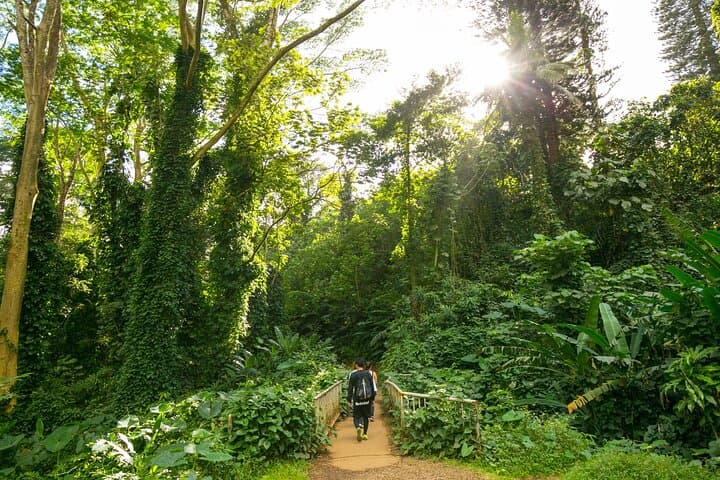
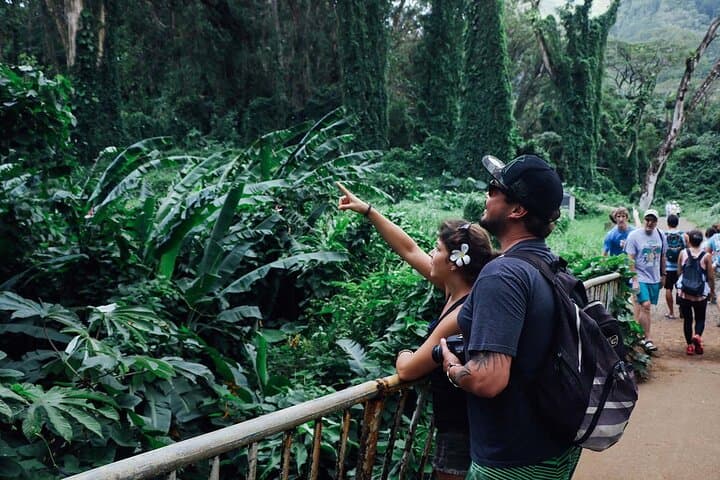
You step off the van and the air changes—humid, green, and alive. A narrow ribbon of trail disappears into a shaft of bamboo that leans like an audience, and somewhere above the canopy a waterfall is already announcing itself with a steady, distant roar. This is Manoa Valley, minutes from Waikiki but a world apart: a compact rainforest where ferns crowd the path and sunlight filters through layered leaves, painting the trail in shifting greens.
Verified experiences and guided adventures in the surrounding area.
Operated by Nature and You · Honolulu, Hawaii
You step off the van and the air changes—humid, green, and alive. A narrow ribbon of trail disappears into a shaft of bamboo that leans like an audience, and somewhere above the canopy a waterfall is already announcing itself with a steady, distant roar. This is Manoa Valley, minutes from Waikiki but a world apart: a compact rainforest where ferns crowd the path and sunlight filters through layered leaves, painting the trail in shifting greens.
The route to Manoa Falls is short—about 1.6 miles round trip—but it moves through geological and cultural layers. The valley is carved into volcanic soils from Oʻahu’s older shield-building flows and shaped by persistent rain that feeds the stream. For centuries, Native Hawaiians used Manoa for taro cultivation and as a source of fresh water; later, the valley’s moisture and dramatic scenery drew film crews for shows like Lost and films such as Jurassic Park.
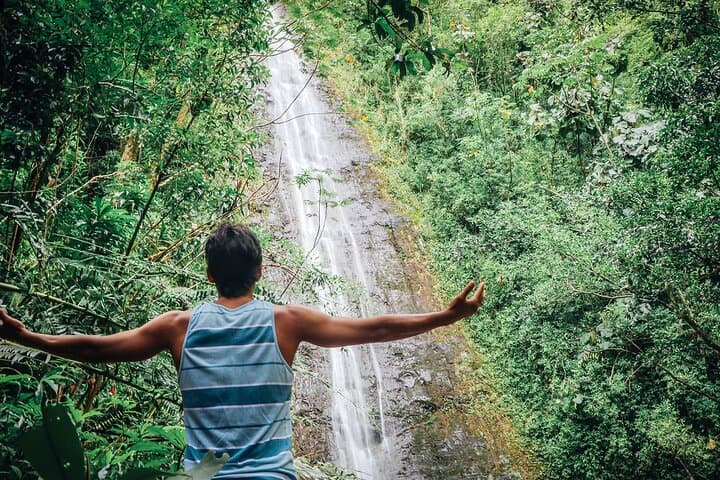
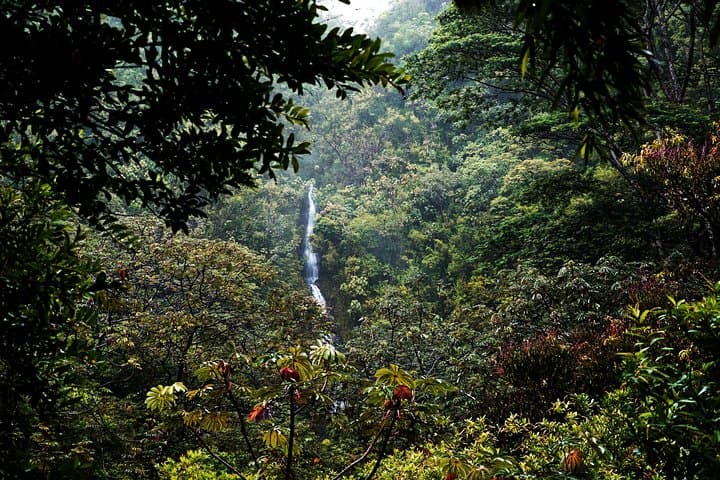
On the hike, your guide points out native plants and explains how invasive species have altered the understory. Bamboo stands whisper and creak; beneath them sit rare flora and frenetic forest life—geckos skitter on wet rock, and native honeycreepers flit through the canopy like living accents. The final reveal is the 150-foot cascade crashing into a shaded basin, an elemental piece of the valley that feels more like a secret show than a tourist stop.
The tour includes pickup from Waikiki and a deliberate afternote: a stop at Tantalus Lookout. From this vantage you can watch Honolulu and Diamond Head shoulder into the Pacific while eating a simple, healthy sandwich—an urban counterpoint to the rainforest quiet.
Practical matters keep the experience accessible. The trail is well-maintained but becomes slick after rain; roots and mud demand steady footing. Expect roughly 300 feet of elevation change overall. Allow about five hours for the full experience from Waikiki to return, including transport, the guided hike, and lunch. Bring a waterproof layer—rain can arrive without warning—and wear shoes with good tread. Photography is best early in the day when mist lingers and light is soft; the bamboo grove and the waterfall base make the strongest shots.
This half-day tour suits a wide range of travelers: it’s short enough for families and rewarding for hikers who want a rainforest fix without a long approach. Respect the trail: stay on the path, don’t swim in the pool at the waterfall (currents and water quality vary), and pack out any trash. In return, the valley offers a compact, sensory-rich slice of Oʻahu—its geology, ecology, and history condensed into one memorable walk.
moderate.
5 hours (including Waikiki transport, hike, and lunch).
Light to moderate fitness—able to walk on uneven, sometimes muddy ground for up to 1.6 miles round trip with short elevation gain (~300 ft).
The trail is about 1.6 miles round trip with roughly 300 feet of elevation gain; allow 1–1.5 hours for the walk itself.
Most of the year the falls flow, but volume varies with recent rain; heavy rains can increase flow and make conditions slippery—operators may cancel in unsafe weather.
Yes—this tour is suitable for a wide range of ages and fitness levels, but the path can be muddy and uneven so assess mobility and bring appropriate footwear.
No—lunch choices are fixed (Pastrami, Tuna, Veggie) and the operator cannot accommodate allergies or gluten-free requests; bring your own food if needed.
There are restroom facilities at the trailhead and near the parking area, but none along the single-track trail itself.
Swimming is not recommended due to slippery rocks, strong currents after rain, and variable water quality—observe but avoid entering the pool.
Manoa Valley supported native agriculture and taro lo‘i before becoming a favored retreat during plantation and film eras; its combination of cultural use and dramatic scenery made it a recurring location for filmmakers.
The ecosystem is sensitive to invasive plants and erosion; stay on marked trails, avoid bringing in non‑native plants or seeds, and pack out trash to protect native species.
Nature and You operates guided outdoor trips and adventures with an emphasis on safety, stewardship, and memorable experiences.
You step off the van and the air changes—humid, green, and alive. A narrow ribbon of trail disappears into a shaft of bamboo that leans like an audience, and somewhere above the canopy a waterfall is already announcing itself with a steady, distant roar. This is Manoa Valley, minutes from Waikiki but a world apart: a compact rainforest where ferns crowd the path and sunlight filters through layered leaves, painting the trail in shifting greens.
You step off the van and the air changes—humid, green, and alive. A narrow ribbon of trail disappears into a shaft of bamboo that leans like an audience, and somewhere above the canopy a waterfall is already announcing itself with a steady, distant roar. This is Manoa Valley, minutes from Waikiki but a world apart: a compact rainforest where ferns crowd the path and sunlight filters through layered leaves, painting the trail in shifting greens.
The route to Manoa Falls is short—about 1.6 miles round trip—but it moves through geological and cultural layers. The valley is carved into volcanic soils from Oʻahu’s older shield-building flows and shaped by persistent rain that feeds the stream. For centuries, Native Hawaiians used Manoa for taro cultivation and as a source of fresh water; later, the valley’s moisture and dramatic scenery drew film crews for shows like Lost and films such as Jurassic Park.
On the hike, your guide points out native plants and explains how invasive species have altered the understory. Bamboo stands whisper and creak; beneath them sit rare flora and frenetic forest life—geckos skitter on wet rock, and native honeycreepers flit through the canopy like living accents. The final reveal is the 150-foot cascade crashing into a shaded basin, an elemental piece of the valley that feels more like a secret show than a tourist stop.
The tour includes pickup from Waikiki and a deliberate afternote: a stop at Tantalus Lookout. From this vantage you can watch Honolulu and Diamond Head shoulder into the Pacific while eating a simple, healthy sandwich—an urban counterpoint to the rainforest quiet.
Practical matters keep the experience accessible. The trail is well-maintained but becomes slick after rain; roots and mud demand steady footing. Expect roughly 300 feet of elevation change overall. Allow about five hours for the full experience from Waikiki to return, including transport, the guided hike, and lunch. Bring a waterproof layer—rain can arrive without warning—and wear shoes with good tread. Photography is best early in the day when mist lingers and light is soft; the bamboo grove and the waterfall base make the strongest shots.
This half-day tour suits a wide range of travelers: it’s short enough for families and rewarding for hikers who want a rainforest fix without a long approach. Respect the trail: stay on the path, don’t swim in the pool at the waterfall (currents and water quality vary), and pack out any trash. In return, the valley offers a compact, sensory-rich slice of Oʻahu—its geology, ecology, and history condensed into one memorable walk.