THE ADVENTURE COLLECTIVE® · Independent discovery and booking for outdoor travel

Paddle the calm Halifax River and meet dolphins, manatees, and shorebirds up close on this two-hour guided kayak tour in Daytona Beach. Perfect for first-time paddlers, the trip includes stops on sandbar islands and local history told by experienced guides.
Paddle the calm Halifax River and meet dolphins, manatees, and shorebirds up close on this two-hour guided kayak tour in Daytona Beach. Perfect for first-time paddlers, the trip includes stops on sandbar islands and local history told by experienced guides.
The Halifax River wakes slowly at dawn, a ribbon of glass threading between barrier islands and the mainland. On a clear morning the air smells faintly of salt and cut grass, and the kayak’s bow parts a mirror that seems to be holding its breath. Guides clip life vests on with practiced hands, point to a channel buoy, and you push off into a world where dolphins flick in the channel, manatees nose up in shallow grass, and osprey wheel above mangrove crowns.
Verified experiences and guided adventures in the surrounding area.
Operated by Three Brothers Boards Dolphin and Manatee Paddle Board Tours · Daytona Beach, Florida
The Halifax River wakes slowly at dawn, a ribbon of glass threading between barrier islands and the mainland. On a clear morning the air smells faintly of salt and cut grass, and the kayak’s bow parts a mirror that seems to be holding its breath. Guides clip life vests on with practiced hands, point to a channel buoy, and you push off into a world where dolphins flick in the channel, manatees nose up in shallow grass, and osprey wheel above mangrove crowns.
This two-hour excursion follows a protected stretch of the Halifax River, a 25-mile section of the Intracoastal Waterway that helped shape Daytona Beach’s development from 19th-century fishing hamlet to a motorsports and tourism hub. Geologically the barrier island system here is young—sand and shell laid down and reshaped by tides and storms—so the shoreline changes with seasons and storms. Culturally, the river remains a working edge between ocean recreation and quiet neighborhoods; local fishermen still harvest conch and small crab, and the sandbars you stop at carry traces of earlier families who used these islands for picnics and temporary camps.
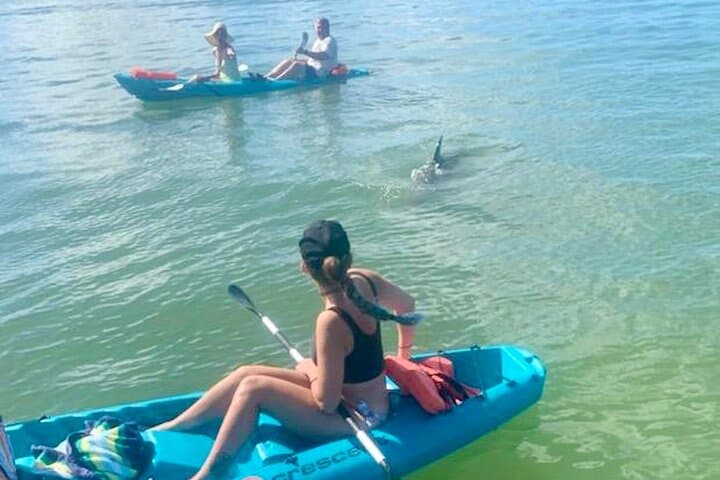
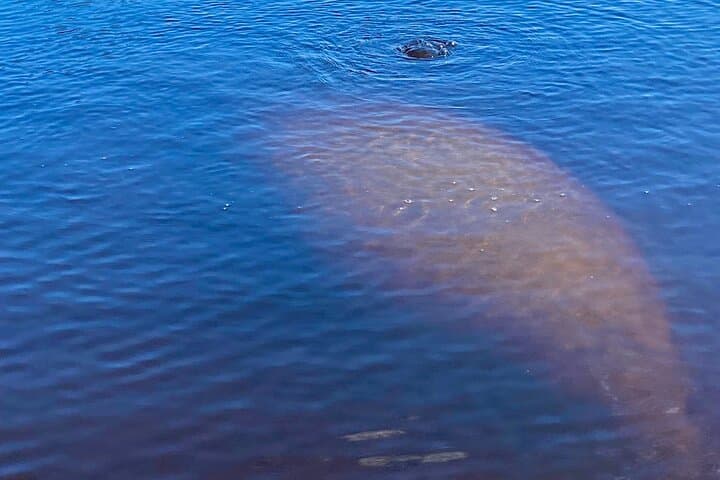
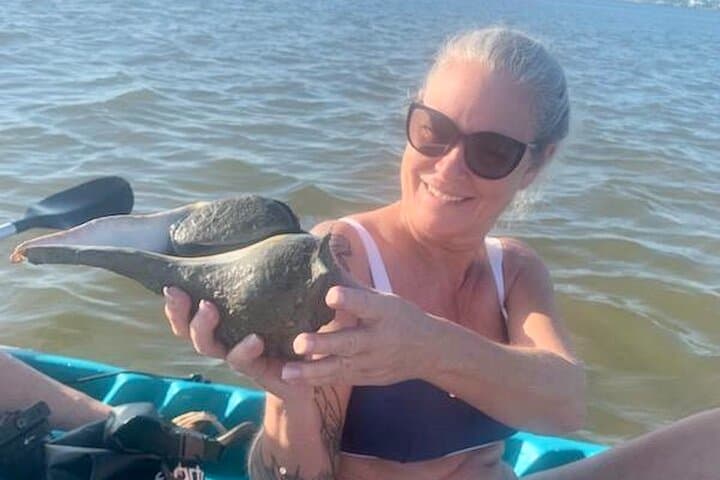
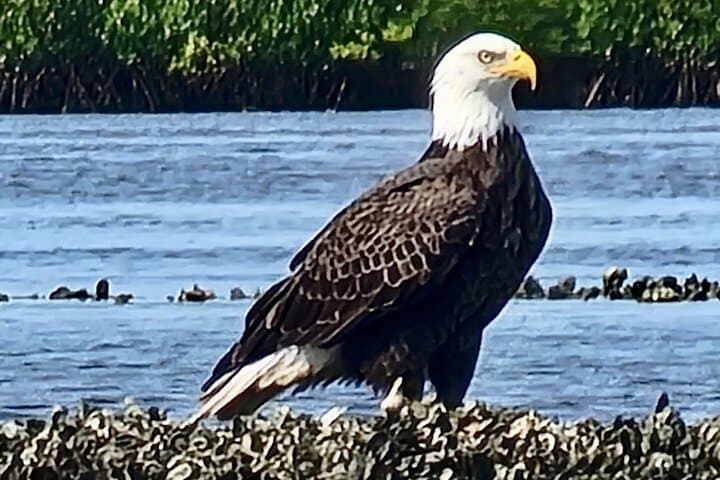
On the water the landscape feels immediate. Mangroves clamp their roots into the shallows and dare you to get close; currents weave around bridge pilings and channel markers, nudging your paddle rhythm. Wildlife sets the itinerary: bottlenose dolphins often surf the wake of passing boats; manatees drift slow and curious near seagrass beds; roseate spoonbills and bald eagles punctuate the skyline. Your guide will pause at a sandbar island to share local history and point out shell middens and the telltale shapes of living conchs.
Practicalities are straightforward. The tour departs from a retail shop near the river—expect about 3–4 miles of paddling total at an easy pace, with all kayaks, paddles, and USCG life vests provided. Mornings are best: calmer water, cooler temperatures, and higher chances of wildlife sightings. Wear quick-drying clothes, reef-safe sunscreen, and secure footwear; bring a dry bag for phones and a refillable water bottle. If you’re new to paddling, guides provide a short safety and stroke orientation before launch.
For photographers, low sun angles early or late in the day give the best light on dolphins and shorebirds, but avoid flash that can startle wildlife. Respect the animals: keep distance from manatees and dolphins, and follow your guide’s cues when approaching a sandbar or quiet inlet. With moderate effort and mindful behavior, this short paddle delivers an intimate slice of Florida’s coastal ecosystem—hands on the paddle, eyes on the water, ears attuned to the river’s subtle language.
easy.
2 hours.
Suitable for most fitness levels; basic upper-body stamina for continuous paddling is helpful.
The tour runs about 2 hours total, including a brief safety orientation, roughly 3–4 miles of paddling at an easy pace, and a stop on a sandbar island.
No—this trip is suitable for beginners. Guides provide paddling instruction and stable, sit-on-top kayaks that are easy to handle.
Yes—USCG-approved life vests are supplied and required for all participants.
Expect bottlenose dolphins, West Indian manatees, sea turtles, bald eagles, pelicans, and roseate spoonbills, depending on the season.
Early morning is ideal—calmer water and cooler temperatures encourage wildlife activity and clearer sightings.
Children are usually welcome but check operator age and weight limits; life vests are sized for youth when available.
The Halifax River is part of the Intracoastal Waterway; its channels and sandbars shaped local fishing and navigation practices that supported Daytona Beach's growth in the late 19th and early 20th centuries.
Follow Leave No Trace on shore stops and use reef-safe products; the area is sensitive to boat wake erosion and seagrass damage which impact manatee feeding grounds.
Three Brothers Boards Dolphin and Manatee Paddle Board Tours operates guided outdoor trips and adventures with an emphasis on safety, stewardship, and memorable experiences.
The Halifax River wakes slowly at dawn, a ribbon of glass threading between barrier islands and the mainland. On a clear morning the air smells faintly of salt and cut grass, and the kayak’s bow parts a mirror that seems to be holding its breath. Guides clip life vests on with practiced hands, point to a channel buoy, and you push off into a world where dolphins flick in the channel, manatees nose up in shallow grass, and osprey wheel above mangrove crowns.
The Halifax River wakes slowly at dawn, a ribbon of glass threading between barrier islands and the mainland. On a clear morning the air smells faintly of salt and cut grass, and the kayak’s bow parts a mirror that seems to be holding its breath. Guides clip life vests on with practiced hands, point to a channel buoy, and you push off into a world where dolphins flick in the channel, manatees nose up in shallow grass, and osprey wheel above mangrove crowns.
This two-hour excursion follows a protected stretch of the Halifax River, a 25-mile section of the Intracoastal Waterway that helped shape Daytona Beach’s development from 19th-century fishing hamlet to a motorsports and tourism hub. Geologically the barrier island system here is young—sand and shell laid down and reshaped by tides and storms—so the shoreline changes with seasons and storms. Culturally, the river remains a working edge between ocean recreation and quiet neighborhoods; local fishermen still harvest conch and small crab, and the sandbars you stop at carry traces of earlier families who used these islands for picnics and temporary camps.
On the water the landscape feels immediate. Mangroves clamp their roots into the shallows and dare you to get close; currents weave around bridge pilings and channel markers, nudging your paddle rhythm. Wildlife sets the itinerary: bottlenose dolphins often surf the wake of passing boats; manatees drift slow and curious near seagrass beds; roseate spoonbills and bald eagles punctuate the skyline. Your guide will pause at a sandbar island to share local history and point out shell middens and the telltale shapes of living conchs.
Practicalities are straightforward. The tour departs from a retail shop near the river—expect about 3–4 miles of paddling total at an easy pace, with all kayaks, paddles, and USCG life vests provided. Mornings are best: calmer water, cooler temperatures, and higher chances of wildlife sightings. Wear quick-drying clothes, reef-safe sunscreen, and secure footwear; bring a dry bag for phones and a refillable water bottle. If you’re new to paddling, guides provide a short safety and stroke orientation before launch.
For photographers, low sun angles early or late in the day give the best light on dolphins and shorebirds, but avoid flash that can startle wildlife. Respect the animals: keep distance from manatees and dolphins, and follow your guide’s cues when approaching a sandbar or quiet inlet. With moderate effort and mindful behavior, this short paddle delivers an intimate slice of Florida’s coastal ecosystem—hands on the paddle, eyes on the water, ears attuned to the river’s subtle language.