
Daytona Beach adventure guide
Find your way into Daytona Beach.
Daytona Beach is an Atlantic-edge playground where long swaths of hard-packed sand meet a network of rivers, inlets, and estuaries. This guide folds surf mornings, dolphin-watching afternoons, and reef dives into a single itinerary—perfect for travelers who want a mix of mellow paddles, high-energy water sports, and the region’s singular coastal culture.
Three ways into the city
Pick a landscape. Build a day around it.
Daytona Beach is less a single destination than a collection of neighboring worlds. Start with the version of the city that matches your pace, then use the ranked guide below to fill in the details.

Begin where the city meets the sea.
Surf breaks, sheltered harbors, whale routes, and long beach paths make the coast LA’s most immediate outdoor playground.
Explore water activities →
Let a local connect the landmarks.
Use a guided city, walking, or sightseeing tour to turn LA’s sprawl into a coherent story.
Explore boat tour →
Ride the coast and the city.
Beach paths, river corridors, e-bikes, and ridge climbs reveal a more connected Los Angeles.
Explore wildlife →Choose your way into Daytona
The top 15 Daytona Beach adventures.
Ranked by the number of currently listed trips. Each panel opens the complete local activity collection.
1Water Activities
Daytona Beach is more than a famous sand strip and motorsport legend—it's a coastal playground where Atlantic surf, calm river corridors, and sheltered inlets come together to create diverse water experiences. From long, hard-packed beach runs and beginner-friendly paddleboarding on the Halifax River to offshore fishing charters and inlet drift-surf sessions, water activities here happen in quick, dramatic contrasts: open sea and sheltered backwaters, mellow sunrise paddles and surf that can kick up on a windy afternoon. This guide focuses on getting you into the water: how to choose the right launch, where to avoid strong currents, how seasonality and wildlife protection shape access, and which local operators make planning a breeze.
Explore water activities →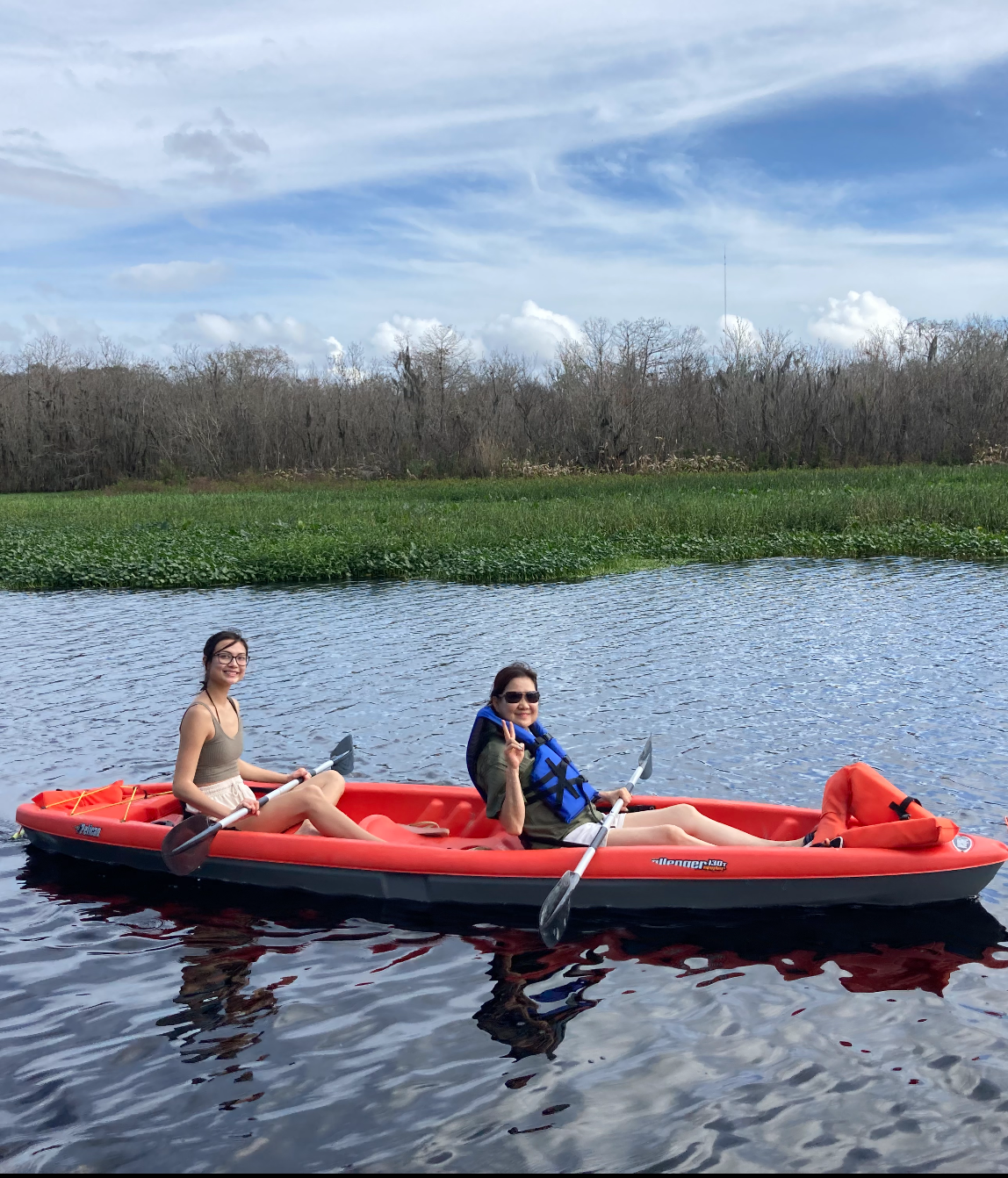 2
2Kayak
Where the Atlantic meets a braided network of estuaries, Daytona Beach is less about white-knuckled ocean surf and more about the gentle, wide-open choreography of paddling. Kayaking here ranges from easy inshore cruises through mangrove mouths and calm river bends to pointed, skillful runs along the inlet and the open ocean for experienced paddlers. Expect close wildlife encounters, long sandy launches, and an accessible coastal paddling scene suited to families, birders, and people chasing a different kind of beach day.
Explore kayak →3Boat Tour
Daytona's boat tours compress a coastline of layered ecosystems—wide, drivable beaches, winding tidal rivers, and a mosaic of barrier islands—into hour-long windows: sunrise dolphin arcs, salt-scented eco-interpretations, and adrenaline-fueled speed runs. Whether you're after a calm wildlife cruise, a hands-on fishing charter, or a dusk light show with a lighthouse backdrop, the local fleet serves up straightforward, accessible ways to read the coast from its most honest vantage—water level.
Explore boat tour →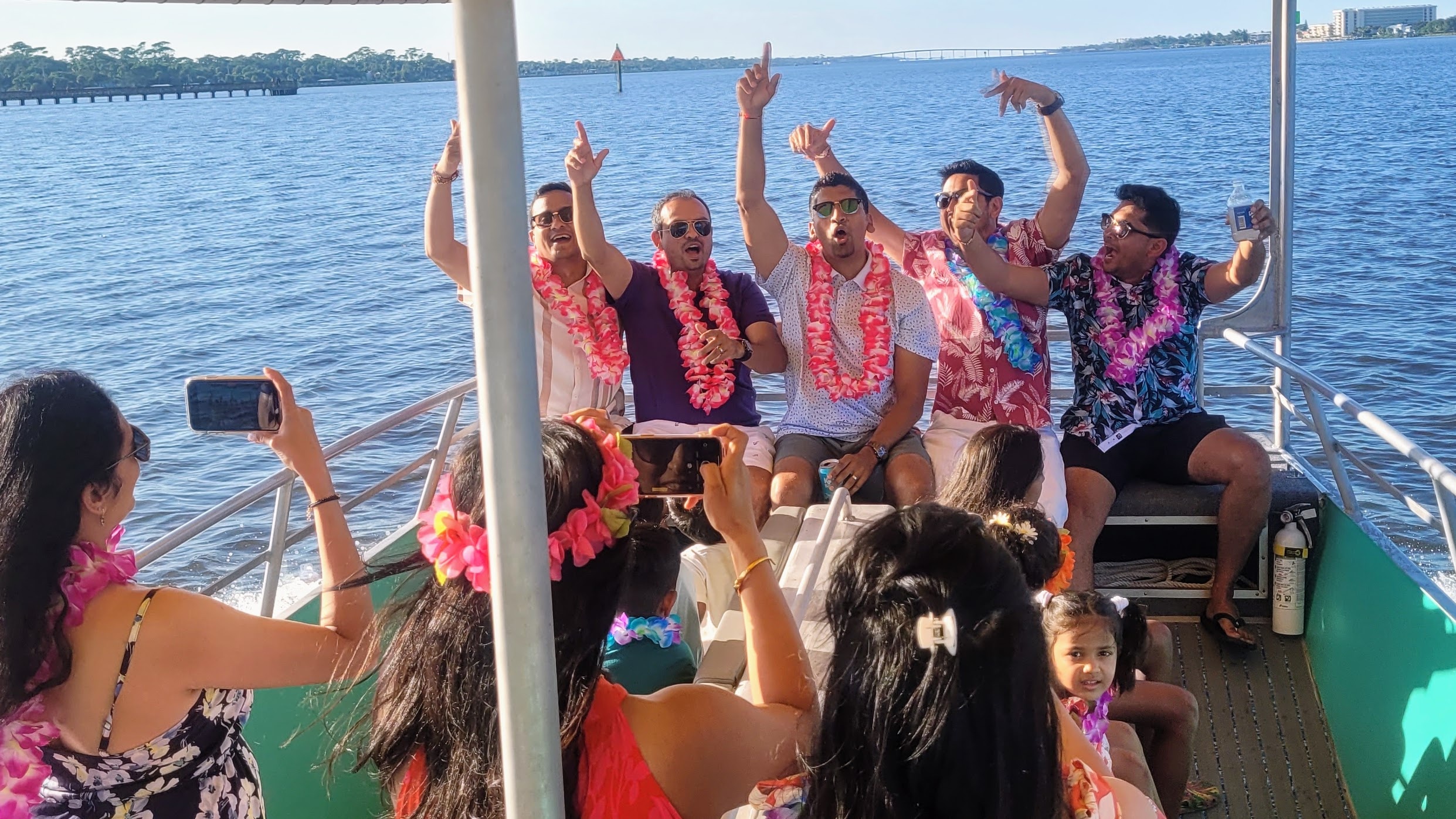 4
4Boat Rental
Daytona Beach turns the simple act of leaving the dock into a choice-driven adventure: calm intracoastal cruising past mangrove-fringed estuaries, fast, wind-driven runs toward Ponce Inlet, or salt-spray afternoons on the open Atlantic. Boat rentals here range from family-friendly pontoons and center consoles for inshore fishing to sea-ready center consoles and skiffs for early-morning tarpon runs, plus kayaks, SUPs, and jet skis for close-to-shore exploration. The geography—an easy ribbon of barrier island, a broad estuary, and a clear entrance to the ocean—makes Daytona a flexible base for half-day excursions, sunset cruises, and full-day charters.
Explore boat rental → 5
5Scuba
Daytona Beach is better known for its sand and speed, but beneath the blue surface lies a quieter draw for divers: nearshore reef systems, an extensive artificial-reef program, and a scatter of shallow wrecks that attract abundant marine life. From sheltered shore entries at Ponce Inlet to short boat runs out to reef patches and deeper shipwreck targets, scuba here blends approachable logistics with surprising biodiversity. This guide focuses on making those underwater hours practical, safe, and unforgettable—whether you’re checking your first open-water dive off the list or chasing a multi-dive wreck day.
Explore scuba → 6
6Eco Tour
On the Atlantic edge of central Florida, Daytona Beach’s eco tours reveal a quieter, wetter side of a place more famous for sandbars and speed. Guided outings slip into mangrove tunnels, skim the fringes of protected estuaries, and put you face-to-face with manatees, migratory birds, and the slow pulse of tidal ecosystems. These experiences are small-boat and foot-focused: kayak and paddleboard tours through narrow creeks, guided boat trips into reserve waters, and interpretive walks across dunes and marshes. Eco tours here are equal parts classroom and cathedral—sensory, educational, and calibrated for low impact. Expect binocular-staring, patient photography, and guides who translate salt-streaked landscapes into stories of currents, conservation, and human connection. The best tours balance wildlife viewing with coastal context: learn about seagrass beds that sustain juvenile fish, explore the role of oyster bars in water filtration, and hear local histories that link fisheries, tourism, and restoration work. Because habitats are fragile and Florida weather can swing fast, many operators prioritize small groups, timed low-tide outings for exposed flats, and eco-minded practices like boarding limits, leave-no-trace briefings, and biodegradable sun products. Complementary activities—sea-kayaking, birding expeditions, snorkeling in protected inlets, and volunteer restoration days—make it easy to layer an eco-tour into a longer nature-focused itinerary. For travelers who come for the beach and stay for the wetlands, these tours offer a chance to see Daytona Beach from the waterline inward: a patchwork of marsh, mangrove, and lagoon that supports migrating shorebirds, resident bottlenose dolphins, and slow-moving manatees, all within a short drive of the town’s more public-facing shoreline.
Explore eco tour →7Wildlife
Half barrier island, half tangled estuary, Daytona Beach is best known for its sand and speed—but the region’s quieter elements reward anyone who looks past the boardwalk. From manatees loafing in the warm creeks of Mosquito Lagoon to loggerhead turtles grunting their way ashore under moonlight, this guide collects the top wildlife encounters you can plan around one coastal town.
Explore wildlife → 8
8SUP
Daytona’s mix of broad Atlantic beaches, protected estuaries, and tidal rivers creates a remarkably versatile playground for stand-up paddleboarding. From glassy dawn flats peppered with manatees to surfable breaks at Ponce Inlet and sheltered mangrove finger channels, SUP here ranges from calm eco-cruises to lively ocean sessions—making it ideal for learners and experienced paddlers alike.
Explore sup → 9
9Environmental Attraction
Daytona Beach's environmental attractions are a study in contrasts: broad, hard-packed beaches that invite exploration; narrow coastal dunes that shelter nesting sea turtles; estuarine creeks and tidal marshes that teem with migratory and resident birds; and a working waterfront where fisheries and recreation intersect. This guide focuses on those living elements—shorelines, inlets, marshes, and springs—that define Daytona's natural character and give you reasons to linger beyond a single sun-soaked day.
Explore environmental attraction →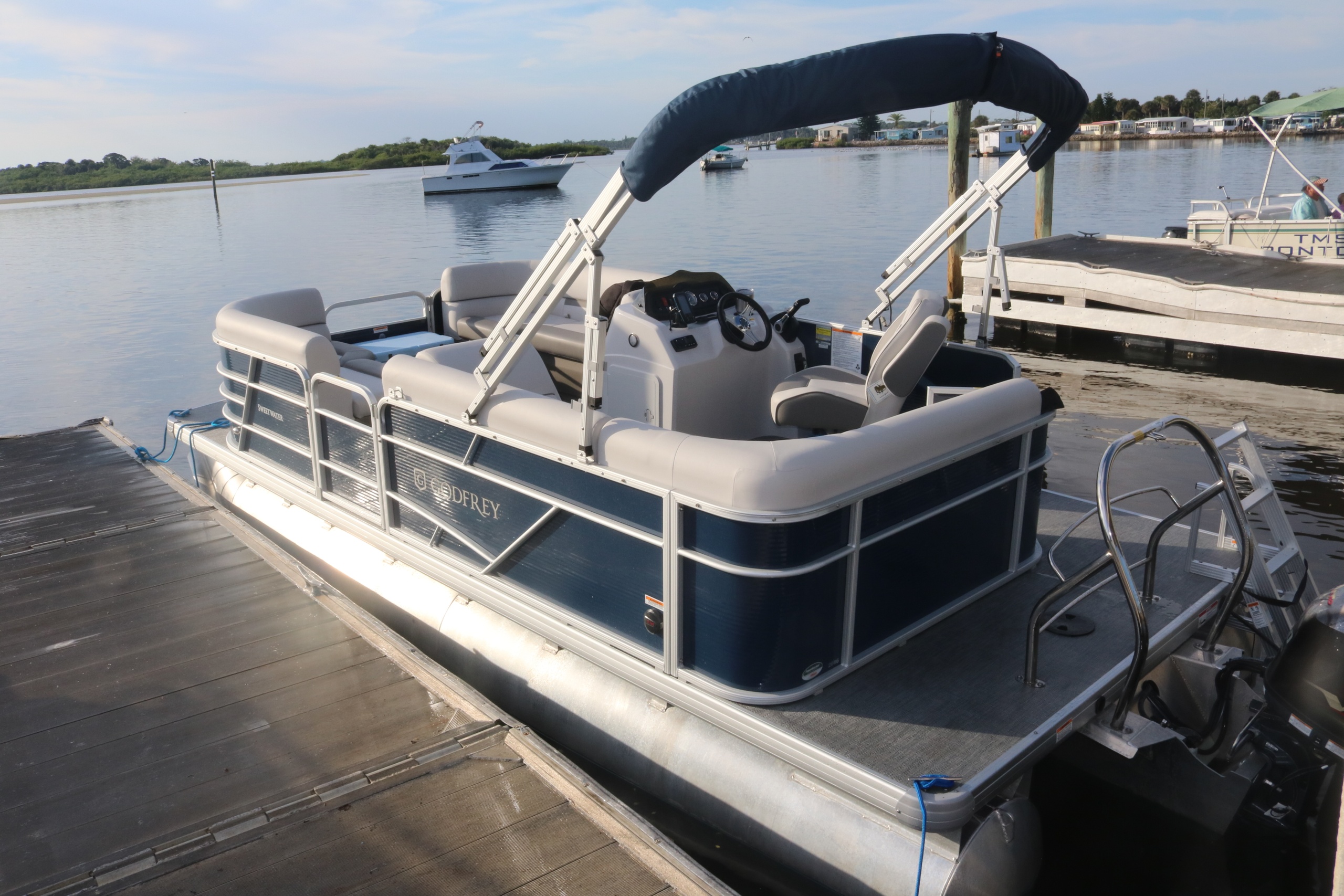 10
10Fishing
Daytona Beach is more than a stretch of sand and speedways; it's a layered coastal fishing landscape where surfcasters, inshore guides, and bluewater skippers converge. From flats dotted with seagrass to the deep-blue drop of the Gulf Stream a short run offshore, anglers can chase everything from redfish and snook to sailfish and mahi in a single day.
Explore fishing → 11
11Dolphin
Daytona Beach is where shallow estuaries, nearshore reefs, and dynamic coastal currents conspire to create reliable dolphin encounters. From quick morning cruises to quiet kayak tours through mangrove channels, this guide focuses on how to find, approach, and appreciate wild dolphins responsibly while pairing those moments with photography, conservation, and low-impact watercraft adventures.
Explore dolphin →Surf
Daytona's surf is approachable and persistent: a mix of soft, forgiving beachbreaks that reward beginners and longboarders, alongside the more punchy peaks near jetties and Ponce Inlet for experienced surfers. The town's rhythm—early-morning sessions, beachfront cafés, and a coastline shaped by shifting sandbars—makes it an ideal place to learn, refine technique, or chase seasonal swells without sacrificing creature comforts. This guide focuses strictly on surfing the Daytona shore: where to go, when to paddle out, what to pack, and the practical local knowledge that keeps a day in the water productive and safe.
Explore surf → 13
13Air Activities
Daytona Beach translates its endless horizontal light into an unparalleled canvas for air-based adventures. From coast-hugging skydives and intimate helicopter circuits above the iconic shoreline to sunrise scenic flights that reveal the braided waterways, the city’s flat geography and broad horizons make aerial experiences accessible and dramatic. This guide focuses on the feel of flight here—how sea breezes, low elevation, and an active aviation community shape what you’ll see, when to go, and how to prepare.
Explore air activities → 14
14Airboat
Skimming the glassy backwaters and coastal marshes around Daytona Beach on an airboat is as much a sensory education as it is an adventure: the mechanical breath of the fan, the wide-open sky, the sudden flash of wingtips and gator eyes. This guide focuses on airboat experiences accessible from the Daytona Beach area—wildlife-centered eco-tours, photographer-friendly runs through sawgrass, and combinations with fishing, birding, and space-coast sightseeing—so you can pick the ride that matches your appetite for speed, solitude, or natural history.
Explore airboat → 15
15Sightseeing Tour
Daytona Beach’s sightseeing tours move at the rhythm of tide and throttle: sun-drenched shoreline cruises, river runs edged in mangrove and marsh, guided strolls through motorsports lore, and lighthouse climbs that frame endless ocean. This guide focuses on curated, experience-forward tours that show you the coastal ecology, the city’s racing DNA, and the quieter cultural corners often missed on impulse stops.
Explore sightseeing tour →The city and the sea
Why Daytona Beach Belongs on Your Adventure Shortlist
Variety without surrendering the day to long transfers.
On the Atlantic edge, Daytona Beach stretches like a ribbon of possibility: broad, accessible sand for sunrise runs and beach driving, an inner network of calm waterways for paddlers, and an offshore seam of reefs and wrecks that calls scuba divers and anglers. The town’s energy is steady rather than frenetic—there’s room here for the slow, reflective side of a coastal weekend and the high-adrenaline beats that remind you Florida remains a place for motion. For coastal explorers, that mix is the point: you can swap surf for a sunset kayak on the Halifax River, trade a morning of reef diving for an afternoon spent spotting dolphins near Ponce Inlet, and still have time for coastal eats and a museum detour focused on the region’s motorsports heritage. If you come for water activities, bring curiosity more than preconceptions. The Intracoastal and Tomoka River offer sheltered paddling that’s approachable for beginners but rich enough—mangrove channels, estuarine birds, opportunistic dolphins—to keep more experienced paddlers engaged. Offshore, a string of artificial reefs and shipwrecks creates accessible scuba and snorkel sites; visibility varies with seasons and tides, so local operators are essential for safe, rewarding dives. Surf here is a weekday reward more than a world-class break, but consistent swells and beach-access convenience make it an excellent place to sharpen longboard technique or take your first shortboard lesson. And for anyone who likes to fish, the mix of inshore flats, estuary lanes, and deepwater charters means you can slot a rod into nearly any plan. Practical advantages are as real as the scenery. Launch points, rental shops, and guided trips cluster within minutes of each other, so single-day visitors can stack activities without long transfers. That accessibility makes Daytona a good year-round base: spring and fall offer calmer seas and fewer storms; summer is warm and lively; winter brings milder temperatures and steady shorelines. Plan around tides and local advisories—some estuary channels tighten at low tide and reefs are best reached on predictable windows—and book reef dives or guided boat trips ahead during holiday weekends. The net effect is a destination that rewards flexible planning: pick a wakeup time, choose water or sand, and let the Atlantic do the rest.
Outfitters in town make the logistics simple: kayak drops, guided reef dives, and dolphin cruises run from centralized marinas and beaches. Shore access at the Boardwalk and public launch ramps at Tomoka or Ponce Inlet speed transitions between activities, so you can stack a morning paddle, midday beach break, and late-afternoon fishing trip.
Daytona’s character blends coastal nature with cultural notes—motorsports history, a working harbor, and a boardwalk scene. That diversity means the day can pivot from contemplative wildlife watching to a high-energy surf lesson without changing basecamp.
Conditions shape the day
The best time to visit Daytona Beach.
Spring and fall bring mild temperatures and steadier seas; summer is hot and humid with afternoon thunderstorms possible; winter offers cooler, drier conditions. Hurricane season runs June–November—monitor forecasts and local advisories.
Best all-around window
Spring + fall
Comfortable mixed-itinerary weather, thinner crowds at beaches and lookouts, and more room to improvise.
Beach season
Spring Break and summer holidays draw heavier crowds and higher prices—plan and book early for guided trips, dive charters, and popular rental windows.
Surf + whales
Late fall and winter weekdays offer fewer crowds, better value on charters, and excellent birding in the estuaries.
Coast to inland
Cool marine mornings often give way to warmer inland afternoons and breezy evenings.
Beginner
Short, guided paddles in protected estuaries, beginner surf lessons on gentle beach breaks, and family-friendly dolphin cruises.
- Guided Halifax River kayak tour
- Beginner surf lesson on Daytona Beach
- Short dolphin or sightseeing boat tour from Ponce Inlet
Intermediate
Independent SUP or kayak trips through mangrove-lined channels, reef snorkels from a charter, and inshore fishing trips.
- Self-guided SUP across the Intracoastal to a quiet inlet
- Charter snorkel or shallow wreck dive
- Half-day inshore fishing trip
Advanced
Offshore wreck and reef dives, bluewater sportfishing, and surf sessions timed to strong Atlantic swells—skills and planning required.
- Boat-based wreck dive to artificial reefs
- Full-day offshore sportfishing charter
- Surf session on a pronounced swell with swift rip currents
Field kit
What to bring.
Pack for sun, salt water, walking, and a meaningful temperature swing between coast and inland Daytona.
Essential
Start here
- Sun protection (reef-safe sunscreen, hat, polarized sunglasses)
- Light dry bag for phone, keys, and wallet
- Quick-dry layers and a light windbreaker for coastal breezes
- Reusable water bottle and quick snacks
- Footwear for both sand and boat decks (water shoes or sandals with straps)
Water days
Keep it dry
- Personal flotation device for kayak/SUP outings if not renting one
- Tide chart or app and a basic understanding of local tide windows
- Waterproof phone case or action camera with float
- A small first-aid kit with blister care
Long days
Stay flexible
- Compact binoculars for estuary birding and dolphin spotting
- Light wetsuit or springsuit for cooler seasons or lengthy dives
- Surf wax or board leash if you bring your own surf gear
Insider note
Start early, then keep the geography tight.
Arrive early for popular put-ins and beach parking, and aim for midweek paddles to avoid crowds. Favor guided reef dives and fishing charters during variable visibility seasons—local captains know the best windows. Watch the wind forecast: easterly sea breezes can flatten surf, while offshore winds make for cleaner waves. Finally, pack reef-safe sunscreen, respect wildlife viewing distances, and secure permits or permissions for any specialized access.
Good to know
Frequently asked questions.
Can I do most water activities without a guide?
Yes for basic activities like beach days, casual paddles on the Halifax River, and surf lessons at beginner breaks. For offshore dives, wreck sites, or unfamiliar tidal estuaries, a local guide or charter is strongly recommended.
Are there opportunities to see dolphins and other wildlife?
Yes. Dolphin sightings are common around inlets and along the Intracoastal; eco tours and guided boat trips increase the odds while minimizing disturbance to animals. Bring binoculars for birds in the mangroves and estuaries.
Is beach driving still allowed?
Certain stretches of hard-packed sand allow permitted beach driving in designated areas—check local regulations and signage, and follow posted speed limits and safety rules.
Ready when you are
Find the trip that fits your Daytona Beach day.
Compare bookable experiences across the coast, city, and mountains—then save the ones that belong in your plan.
Explore all Daytona Beach adventures ↗