THE ADVENTURE COLLECTIVE® · Independent discovery and booking for outdoor travel

An 11‑day loop from Las Vegas through Bryce, the Tetons, Yellowstone, Death Valley, Yosemite and San Francisco—this camper’s tour mixes short guided hikes, geothermal wonders and desert panoramas. Expect varied terrain, high passes, and communal campsite life with expert guides handling logistics.
An 11‑day loop from Las Vegas through Bryce, the Tetons, Yellowstone, Death Valley, Yosemite and San Francisco—this camper’s tour mixes short guided hikes, geothermal wonders and desert panoramas. Expect varied terrain, high passes, and communal campsite life with expert guides handling logistics.
The bus peels away from the neon of Las Vegas before dawn and the landscape tightens—red sandstone gives way to high sagebrush, then to the jagged silhouettes of the Tetons and the steaming basins of Yellowstone. Over eleven days the route reads like a geology primer and a wildlife documentary: Bryce Canyon’s hoodoos, Cedar Breaks’ 10,000‑foot summit, the mirror lakes at the base of the Tetons, geyser fields, the salt flats of Badwater Basin, and the granite cathedrals of Yosemite.
Verified experiences and guided adventures in the surrounding area.
Operated by Bindlestiff Tours · Las Vegas, Nevada
The bus peels away from the neon of Las Vegas before dawn and the landscape tightens—red sandstone gives way to high sagebrush, then to the jagged silhouettes of the Tetons and the steaming basins of Yellowstone. Over eleven days the route reads like a geology primer and a wildlife documentary: Bryce Canyon’s hoodoos, Cedar Breaks’ 10,000‑foot summit, the mirror lakes at the base of the Tetons, geyser fields, the salt flats of Badwater Basin, and the granite cathedrals of Yosemite.
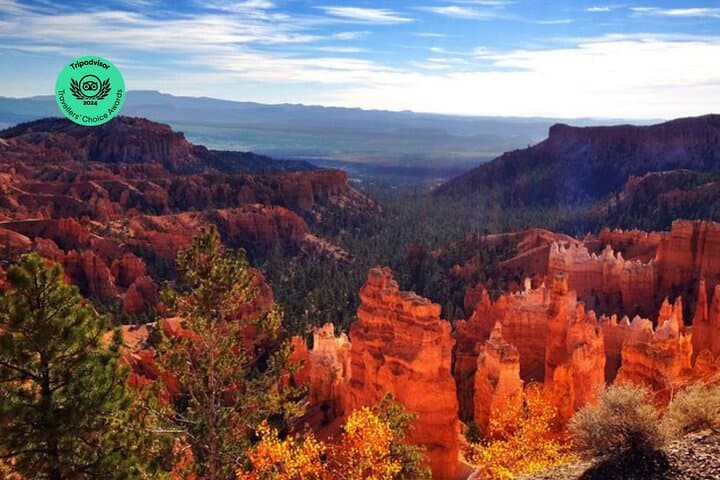
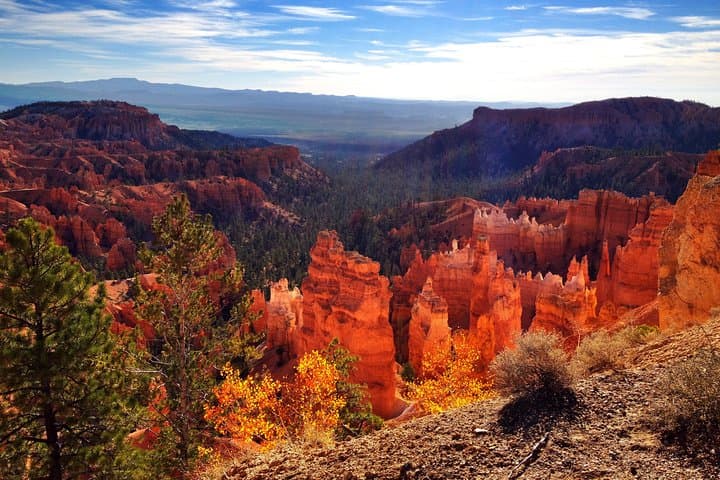
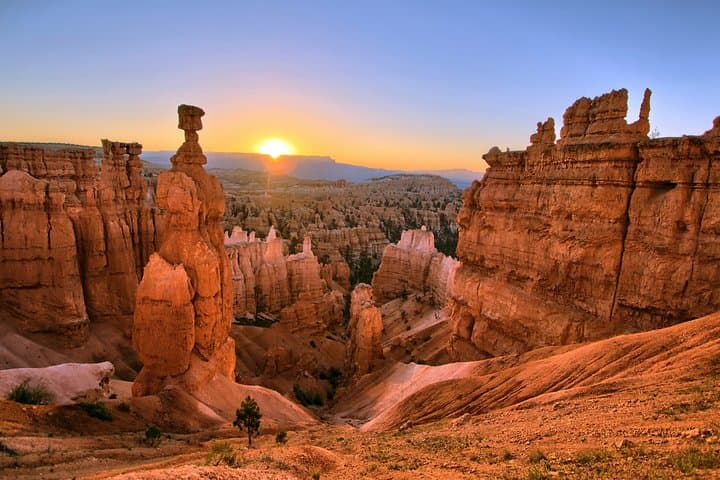
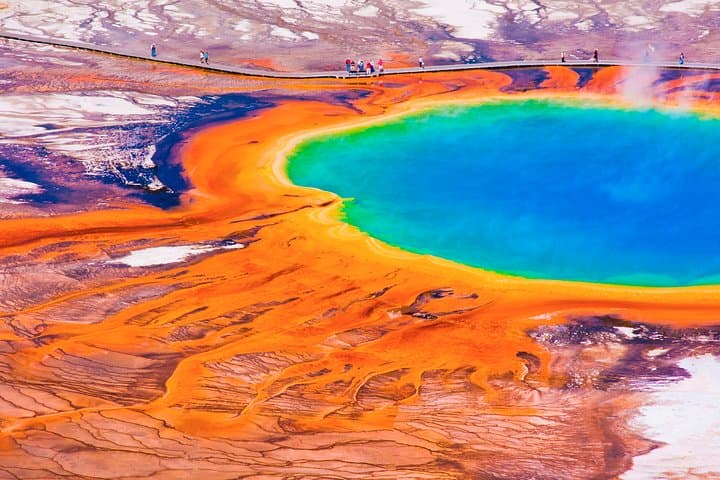
This is a touring loop that pairs easy-to-moderate walks with nights under the stars. Bryce Canyon’s amphitheater invites short rim hikes or steeper descents among columns of orange rock carved by frost and river action; Yellowstone exposes the volcanic plumbing beneath the Rockies—Old Faithful, Grand Prismatic, and Mammoth Hot Springs are surface expressions of a restless supervolcano that shaped the region over millennia. Tioga Pass across the Sierra crests at nearly 10,000 feet before spilling into Yosemite Valley, where glacially polished granite frames waterfalls and sweeping vistas of El Capitan and Half Dome.
Culture and history thread through the trip: Mormon pioneer sites in Salt Lake City, Gold Rush echoes in Bishop, and the Park Service’s conservation legacy—Yellowstone was designated in 1872 as the world’s first national park, altering how nations think about public lands. Local guides add context: ranger talks at Bryce, Indigenous place names and histories when relevant, and the practicalities of living with big animals—elk, bison, and occasionally bears—on the parks’ edges.
Practical guidance is the backbone of this itinerary. Expect varied terrain: paved viewpoints and short boardwalks in geothermal basins, sandy dune walks in Death Valley, and dirt campground trails in the Tetons and Yosemite. Hikes are typically 2–5 miles per outing with moderate elevation changes—Cedar Breaks and Tioga Pass will feel high to visitors arriving from sea level. Temperatures swing: desert heat by day at Badwater, cold nights at 8,000–10,000 feet. Bring layers, a reliable pair of hiking shoes, and a refillable water system—the tour does not supply bottled water.
Camping nights require pitching your own tent with guide assistance; communal dinners and hot showers are usually available at established campgrounds. Wildlife viewing requires patience and distance—use binoculars, stay quiet, and follow your guide. The routing is weather‑dependent (Tioga Pass may close in winter), so flexibility is built in and the guides will adapt plans.
On balance, this is an immersive road‑and-walk adventure: move often, sleep under dark mountain skies, and trade the convenience of a single base for the breadth of five national parks. For travelers who value variety—geology, wildlife, and classic Western landscapes—this tour is an efficient, well‑paced way to see a large slice of the American West without missing the small practical details that make the trip work.
moderate.
11 days (multi‑day).
Suitable for travelers in good general health who can walk 2–5 miles over uneven ground and handle stairs and short elevation gains.
No prior camping experience is required; guides will help with tent setup and campsite routines, but you should be comfortable with basic outdoor tasks.
Minimum age is 7 years old; children must be accompanied by an adult and meet the physical requirements for walking on uneven ground.
No—bottled water isn’t supplied. Bring a refillable container; the tour makes stops where you can top up.
The itinerary will reroute (often via Lake Isabella or an alternate highway) when Tioga Pass is closed; guides plan contingencies for seasonal closures.
Yes—there are booking options that mix camping and hotel stays; confirm your preference at booking so accommodations can be arranged.
Most breakfasts, lunches and several dinners are included depending on your chosen accommodation option; communal campsite dinners are part of the camping experience.
Yellowstone became the world’s first national park in 1872, pioneering the idea of preserving landscapes for public use and scientific study.
The tour follows Leave No Trace principles; guests are encouraged to pack out trash, keep distance from wildlife, and use established trails to reduce erosion and habitat disturbance.
Bindlestiff Tours operates guided outdoor trips and adventures with an emphasis on safety, stewardship, and memorable experiences.
The bus peels away from the neon of Las Vegas before dawn and the landscape tightens—red sandstone gives way to high sagebrush, then to the jagged silhouettes of the Tetons and the steaming basins of Yellowstone. Over eleven days the route reads like a geology primer and a wildlife documentary: Bryce Canyon’s hoodoos, Cedar Breaks’ 10,000‑foot summit, the mirror lakes at the base of the Tetons, geyser fields, the salt flats of Badwater Basin, and the granite cathedrals of Yosemite.
The bus peels away from the neon of Las Vegas before dawn and the landscape tightens—red sandstone gives way to high sagebrush, then to the jagged silhouettes of the Tetons and the steaming basins of Yellowstone. Over eleven days the route reads like a geology primer and a wildlife documentary: Bryce Canyon’s hoodoos, Cedar Breaks’ 10,000‑foot summit, the mirror lakes at the base of the Tetons, geyser fields, the salt flats of Badwater Basin, and the granite cathedrals of Yosemite.
This is a touring loop that pairs easy-to-moderate walks with nights under the stars. Bryce Canyon’s amphitheater invites short rim hikes or steeper descents among columns of orange rock carved by frost and river action; Yellowstone exposes the volcanic plumbing beneath the Rockies—Old Faithful, Grand Prismatic, and Mammoth Hot Springs are surface expressions of a restless supervolcano that shaped the region over millennia. Tioga Pass across the Sierra crests at nearly 10,000 feet before spilling into Yosemite Valley, where glacially polished granite frames waterfalls and sweeping vistas of El Capitan and Half Dome.
Culture and history thread through the trip: Mormon pioneer sites in Salt Lake City, Gold Rush echoes in Bishop, and the Park Service’s conservation legacy—Yellowstone was designated in 1872 as the world’s first national park, altering how nations think about public lands. Local guides add context: ranger talks at Bryce, Indigenous place names and histories when relevant, and the practicalities of living with big animals—elk, bison, and occasionally bears—on the parks’ edges.
Practical guidance is the backbone of this itinerary. Expect varied terrain: paved viewpoints and short boardwalks in geothermal basins, sandy dune walks in Death Valley, and dirt campground trails in the Tetons and Yosemite. Hikes are typically 2–5 miles per outing with moderate elevation changes—Cedar Breaks and Tioga Pass will feel high to visitors arriving from sea level. Temperatures swing: desert heat by day at Badwater, cold nights at 8,000–10,000 feet. Bring layers, a reliable pair of hiking shoes, and a refillable water system—the tour does not supply bottled water.
Camping nights require pitching your own tent with guide assistance; communal dinners and hot showers are usually available at established campgrounds. Wildlife viewing requires patience and distance—use binoculars, stay quiet, and follow your guide. The routing is weather‑dependent (Tioga Pass may close in winter), so flexibility is built in and the guides will adapt plans.
On balance, this is an immersive road‑and-walk adventure: move often, sleep under dark mountain skies, and trade the convenience of a single base for the breadth of five national parks. For travelers who value variety—geology, wildlife, and classic Western landscapes—this tour is an efficient, well‑paced way to see a large slice of the American West without missing the small practical details that make the trip work.