
North Las Vegas adventure guide
Find your way into North Las Vegas.
North Las Vegas lives in the shadow of the Strip but opens into a very different sort of desert story—one of wash-carved trails, wind-blown dunes, and surprising water access at nearby Lake Mead. This guide stitches together the top 15 ways to leave the neon behind and get into the high-desert rhythm: Bus tours and city tours that orient you to local history; photography tours and walking tours that reveal the textures of urban and desert life; ATV/UTV rides across Nellis Dunes; day hikes in Mojave scrub; water activities and boat tours out of Lake Mead; kayak and boat rental options for calmer water; air activities for panoramic flights; wildlife watching for birds and desert mammals; practical lodging choices; and bike tours that thread neighborhoods with natural corridors. Use this guide to plan a half-day desert excursion, a full-day paddle, or a mixed itinerary that pairs urban culture with off-road thrills.
Three ways into the city
Pick a landscape. Build a day around it.
North Las Vegas is less a single destination than a collection of neighboring worlds. Start with the version of the city that matches your pace, then use the ranked guide below to fill in the details.

Begin where the city meets the sea.
Surf breaks, sheltered harbors, whale routes, and long beach paths make the coast LA’s most immediate outdoor playground.
Explore water activities →
Let a local connect the landmarks.
Use a guided city, walking, or sightseeing tour to turn LA’s sprawl into a coherent story.
Explore bus tour →
Ride the coast and the city.
Beach paths, river corridors, e-bikes, and ridge climbs reveal a more connected Los Angeles.
Explore wildlife →Choose your way into North
The top 15 North Las Vegas adventures.
Ranked by the number of currently listed trips. Each panel opens the complete local activity collection.
1Bus Tour
From climate-controlled coaches that launch into the Mojave to open-top shuttles that pull up for desert sunset views, bus tours out of North Las Vegas are the easiest way to access the dramatic geology, engineered marvels, and outlying outdoor playgrounds that define the region. These guided runs stitch together Hoover Dam vistas, Lake Mead shorelines, ghost-rail towns, and the red sandstone bands of nearby public lands, letting travelers trade driving logistics for context, chilled water, and a driver who knows the best photo stops.
Explore bus tour → 2
2Photography Tour
North Las Vegas compresses a surprising range of photographic subjects into a short drive: ancient petroglyph panels, broad Mojave views, intimate desert flora, and urban-night skylines. This guide focuses on organized and self-guided photography tours—how to time light, where to shoot, and what to pack for landscapes, cultural sites, and nightscapes near the city.
Explore photography tour → 3
3Sightseeing Tour
North Las Vegas trades neon for open sky. Its sightseeing tours bridge Mojave desert geology, fossil-rich paleolandscapes, and a gritty urban frontier where aviation lore, community parks, and waterways unfold within short drives of the Las Vegas metropolitan core. This guide focuses on guided and self-guided sightseeing experiences that reveal the layered natural and cultural history of North Las Vegas.
Explore sightseeing tour →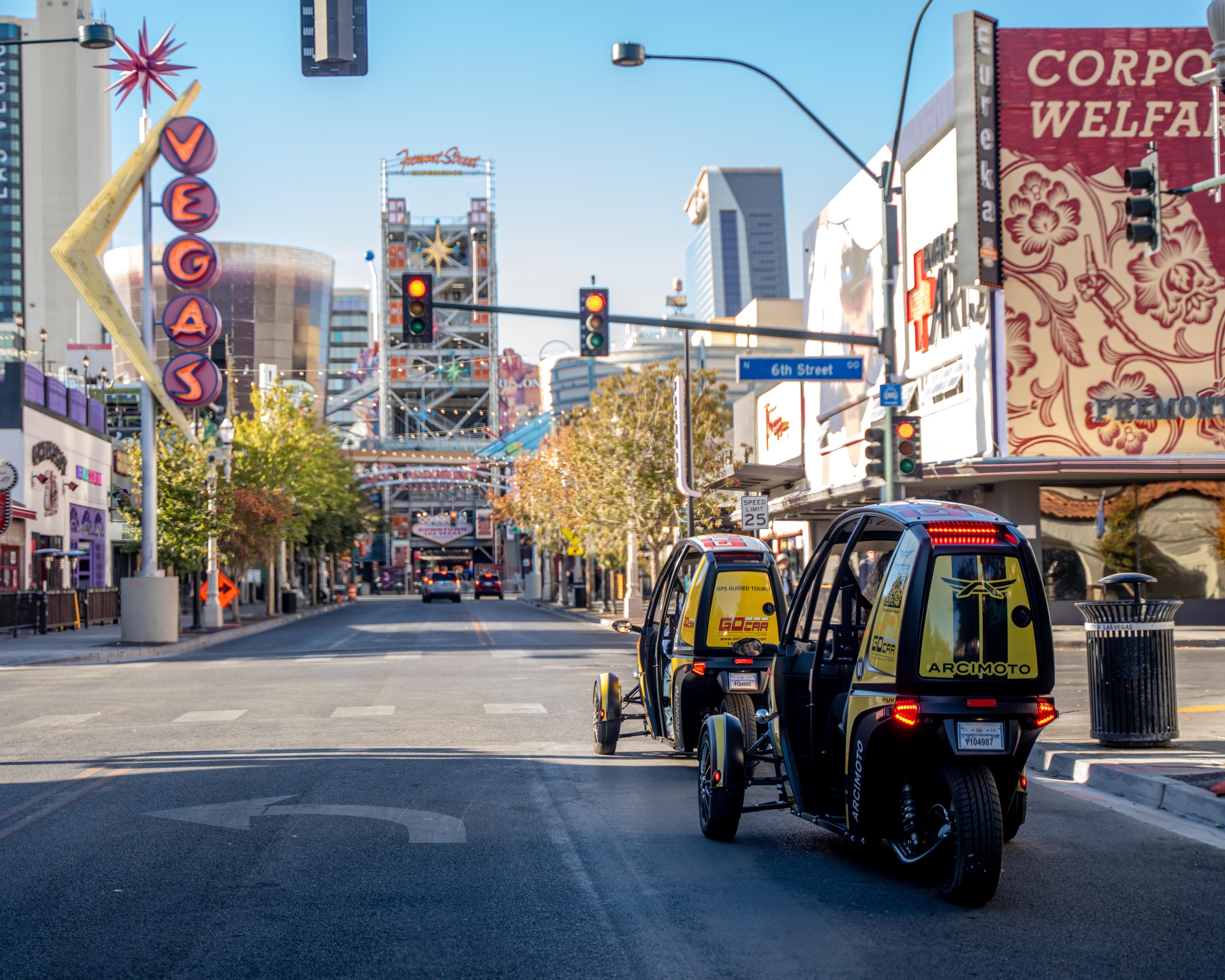 4
4City Tour
North Las Vegas strips the neon from expectations and reveals a different pulse of the valley: wide desert light, unexpected historic pockets, street art, and green community parks that make for compact, walkable—or easy-to-drive—city tours. This guide focuses on curated urban experiences: neighborhood walks, public-art hunts, park-to-park trails, and short driving loops that pair local history with outdoor breathing room.
Explore city tour → 5
5Walking Tour
North Las Vegas repurposes desert edges and municipal streets into a walking-tour tapestry: quiet boardwalks through wetlands, public-art corridors, and neighborhood routes that reveal civic history and surprising greenery. These walks favor shorter loops and self-guided explorations that pair well with early-morning desert light and late-afternoon cooldowns.
Explore walking tour → 6
6ATV/UTV
North Las Vegas is a launchpad for desert riding that feels equal parts lunar playground and technical challenge. Within a short drive of the city, riders find sand-swept dunes, rocky washes, and compact ridgelines that suit side-by-sides, utility buggies, and sport quads alike. This guide focuses on ATV/UTV experiences around North Las Vegas—how to plan around desert heat, where to find varied terrain, and how to pair a day on the dunes with camping, stargazing, or a Red Rock hiking detour.
Explore atv/utv → 7
7Hiking
North Las Vegas is a city of contrasts: suburban blocks give way within minutes to low, rocky ridges, fossil-rich basins, and desert washes threaded with trails. Hiking here is about texture—the brittle creosote flats, basalt outcrops that catch the sun, and pockets of refuge where desert willow and cottonwoods follow seasonal water. Expect short, rugged routes, cultural sites, and quiet desert panoramas rather than long alpine traverses.
Explore hiking →8Water Activities
In a city shaped by desert sun and neon, water becomes both relief and playground—an unexpected counterpoint to the arid landscape that surrounds North Las Vegas. The region’s water activity options are defined less by long beaches and more by reservoirs, river corridors, and managed recreation areas a short drive from the city. Think expansive boatable basins at Lake Mead, quiet coves for paddleboarding and kayaking, seasonal stretches of the Colorado River for longer floats, and smaller urban waterways and ponds that serve casual anglers and families. This guide helps you translate the idea of water in the Mojave into a practical plan: where to launch, how to pick the right craft for the conditions, what seasons work best, and how to balance adventure with desert safety.
Explore water activities → 9
9Boat Tour
North Las Vegas is a desert gateway to some of the southwestern U.S.'s most surprising water-based adventures. Boat tours operating from nearby marinas and shorelines carve inland bays, canyon walls, and the Colorado River below Hoover Dam—turning arid vistas into liquid corridors of exploration. This guide highlights guided cruises, fishing charters, houseboat outings, and short scenic runs suited to travelers who want to mix canyon geology, Hoover Dam history, and lakefront sunsets into a single day or a multi-day escape.
Explore boat tour → 10
10Kayak
North Las Vegas is an unexpected gateway to desert water paddling — short drives deliver big-water scenery at Lake Mead, quieter glassy mornings on neighborhood lakes and the narrow, wildlife-rich channels of the Las Vegas Wash. This guide focuses on kayak trips that are accessible from North Las Vegas, from easy flatwater outings to canyon paddles and overnight bivies near the reservoir shorelines.
Explore kayak → 11
11Boat Rental
Boat rentals around North Las Vegas turn the Mojave’s stark horizon into a ribbon of blue — reservoirs carved into desert canyons, calm coves to anchor in, and long shoreline runs framed by red rock. This guide focuses on renting boats near North Las Vegas: the types of craft available, what conditions to expect, when to go, and how to plan a day on the water that pairs well with fishing, paddle sports, canyon exploration, and sunset photography.
Explore boat rental → 12
12Air Activities
North Las Vegas is a compact launchpad for air-based adventure—small airports, wide desert skies, and dramatic nearby terrain make it a practical base for helicopter tours, scenic airplanes, balloon flights, and airborne instruction. This guide focuses on the experiences that lift you above the valley: flightseeing, tandem skydiving and aerial photography, plus the planning and seasonal rules that shape every trip.
Explore air activities →13Wildlife
North Las Vegas is the urban edge of the Mojave: a place where dust-slick washes, isolated springs, and fractured bedrock hold an astonishing cast of desert-adapted life. This guide focuses on wildlife viewing and encounters—daytime birding at hidden wetlands, dusk searches for kit foxes and coyotes, raptor thermals over rocky ridgelines, and the prehistoric echoes visible in fossil beds and petroglyph canyons. Expect close-to-city access to authentic desert habitat, seasonal pulses of migratory birds, and wildlife that has learned to navigate a landscape shaped by heat, water scarcity, and human presence.
Explore wildlife → 14
14Lodging
North Las Vegas is often framed as a practical base for outdoor days — an affordable, quietly suburban counterpoint to the Strip’s neon. The lodging scene reflects that: clean budget motels, family-friendly mid-range hotels, RV parks and campgrounds, and a handful of private rentals and small desert retreats within easy reach of hiking, climbing, and water-based outings at nearby Lake Mead. This guide focuses on picking the right kind of stay for your adventure — whether you want an economical night before a sunrise hike, a roomy family suite with parking for gear, or a private rental close to off-road trails.
Explore lodging →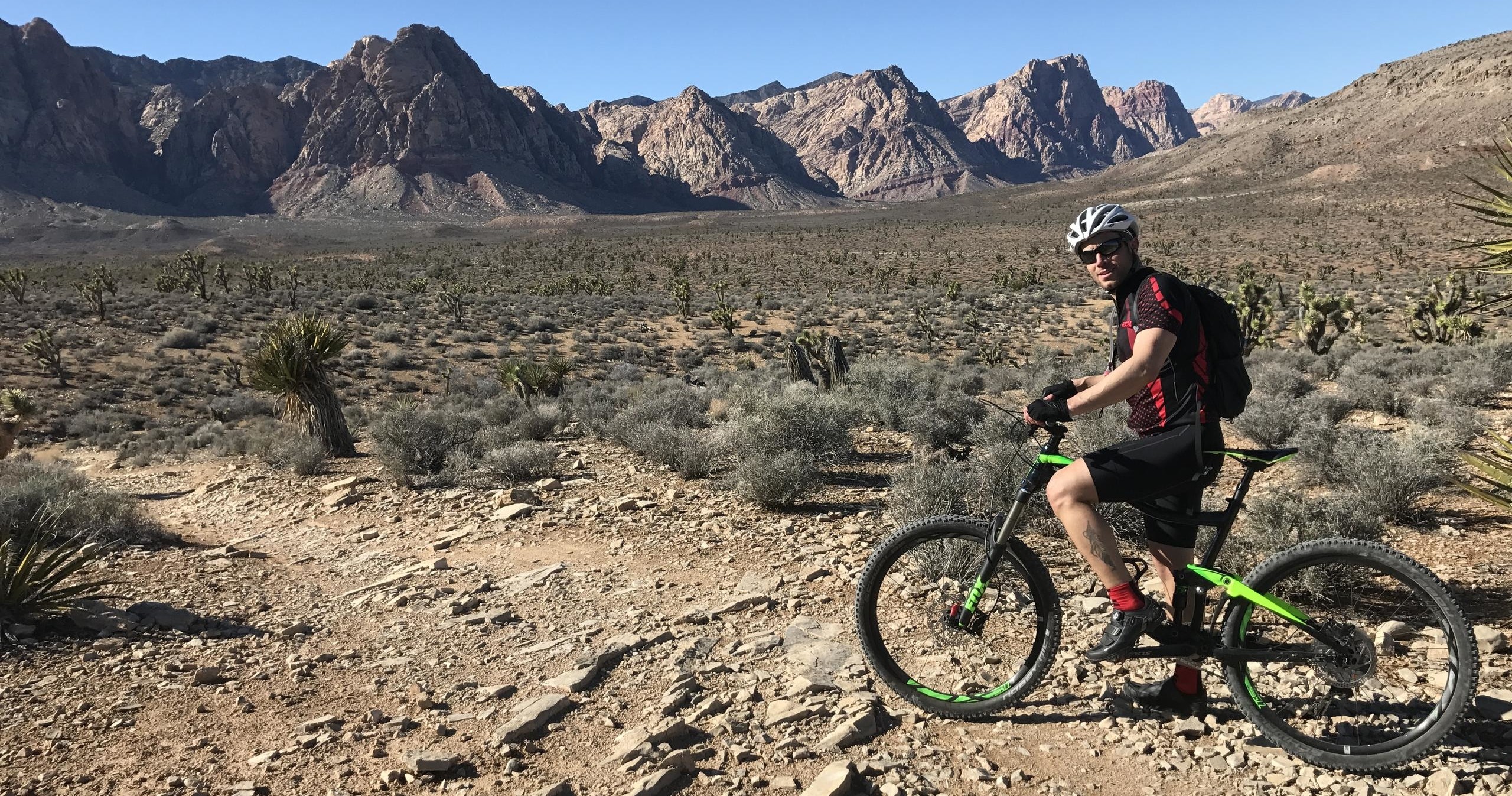 15
15Bike Tour
North Las Vegas stitches the neon-edge of the valley to a patchwork of desert washes, reclaimed river corridors, and foothill singletrack. Bike tours here run the gamut from flat, family-friendly greenways and guided e-bike city loops to gravel and singletrack rides that flirt with the Mojave — all within easy reach of downtown Las Vegas and regional highlights like Red Rock and Lake Mead. Expect wide, sunlit vistas, wind-sculpted ridgelines, and an unexpectedly varied bikeable landscape that rewards early starts and thoughtful planning.
Explore bike tour →The city and the sea
Why North Las Vegas Belongs on Your Adventure Shortlist
Variety without surrendering the day to long transfers.
North Las Vegas is often misunderstood as merely an industrial flank of a famous city. Walk a little farther and you’ll find a frontier of contrasts: the urban grid blinks into neighborly streets, and within a thirty-minute drive the pavement dissolves into the Mojave. Here, an ATV/UTV rip across Nellis Dunes can be followed by a reflective kayak stroke on a sheltered cove of Lake Mead; a city tour of historic sites mixes with a photography tour aimed at finding silhouette after sunset; and a morning bike tour along the Las Vegas Wash can finish with a boat rental and sunset boat tour. That mix—mechanical excitement and quiet water, curated sightseeing and improvised exploration—is the region’s charm. Historically the area served as crossroads for indigenous groups, and later for ranchers and miners who learned to read the desert’s seasonal moods. Today that legacy lives on in local outfitters, small museums, and community-led walking tours that tie place to people. For travelers, North Las Vegas is a practical basecamp: lodging choices keep you near good food and late-night logistics while being a short drive from wilderness. For photographers and sightseers the desert geometry—wind-sculpted dunes, scrub-lined washes, and the sprawling mirror of Lake Mead at low water—offers a palette that changes dramatically with light. For active travelers, the region’s top activities present an unusually broad playbook: guided bus tours for orientation, photography tours for composition practice, city and walking tours for context, motorized OHV trips for adrenaline, hikes that require little more than daypacks, and multiple water activities including kayak and boat options. Wildlife lovers can tune into desert songbirds at dawn and spot coyotes at dusk; birding and wildlife stops often appear on mixed itineraries. Practical reality keeps this beautiful. Summer afternoons push temperatures high, so early starts or water-based activities become essential. Shoulder seasons—spring and fall—are when wildflowers, agreeable weather, and comfortable paddling line up. Whether you’re eying a short sightseeing tour, a full-day ATV loop, or an overnight mix of lakeside camping and dawn photography, North Las Vegas rewards planning that pairs a map with local knowledge. Outfitters handle the heavy lifting for specialized gear—ATV rentals, kayak tours, boat rentals, and guided air activities—while self-guided options abound if you’re seeking a quieter, more independent day outside.
Access is a practical advantage: proximity to Las Vegas international transport, short drives to Lake Mead and OHV areas, and a range of outfitters for rentals and guided options make putting together a mixed itinerary straightforward.
Pair active days with restful evenings in neighborhood cafés or comfortable lodging—many travelers choose North Las Vegas for quieter nights while keeping rapid access to the Strip, Lake Mead, and Red Rock-adjacent adventures.
Conditions shape the day
The best time to visit North Las Vegas.
Summers are very hot—daytime highs often exceed 100°F—so plan water activities or early-morning starts. Monsoon season (mid-July to September) can bring sudden thunderstorms and flash-flood risk in washes. Fall and spring provide the most stable weather for hiking, ATV/UTV rides, and lake paddles; winters are mild and sunny but can be chilly after sunset.
Best all-around window
Spring + fall
Comfortable mixed-itinerary weather, thinner crowds at beaches and lookouts, and more room to improvise.
Beach season
Late fall through spring brings the most comfortable temperatures and higher visitation for water and off-road activities—book popular outfitters and OHV rentals in advance.
Surf + whales
Summer mornings deliver excellent sunrise paddles and quieter trails; lodging deals and lower crowds are common if you avoid mid-day heat.
Coast to inland
Cool marine mornings often give way to warmer inland afternoons and breezy evenings.
Beginner
Short, well-marked walks, guided sightseeing, and calm water paddles that require minimal gear and navigation.
- Urban walking tour of historic North Las Vegas neighborhoods
- Guided photography tour focused on golden-hour cityscapes
- Introductory kayak on a sheltered bay at Lake Mead with guide
Intermediate
Longer hikes across desert washes, unguided bike tours along the Las Vegas Wash, and half-day OHV outings on maintained routes.
- Half-day ATV/UTV loop in Nellis Dunes with basic technical sections
- Self-guided bike tour connecting neighborhood trails and the wash
- Boat rental for a day exploring coves of Lake Mead
Advanced
Full-day expeditions, technical OHV runs, multi-launch paddling itineraries, or aerial adventures requiring specialized skill and planning.
- Full-day desert traverse combining dunes and sandy washes on a capable UTV
- Extended kayak crossing and shore-hopping at low-water Lake Mead
- Air activities such as small-plane scenic flights or aerial photography missions
Field kit
What to bring.
Pack for sun, salt water, walking, and a meaningful temperature swing between coast and inland North.
Essential
Start here
- Plenty of water and electrolyte replacement—desert dehydration is fast
- Sun protection: wide-brim hat, SPF 30+, sunglasses
- Light layers for mornings and cool desert evenings
- Sturdy shoes or boots for hiking and dune travel
- Basic first aid kit and a charged phone with offline maps
Water days
Keep it dry
- Headlamp for early starts and late returns
- Dry bag for phones and gear on boat, kayak, or shoreline excursions
- Portable air compressor and a tire repair kit for OHV outings
- Binoculars for wildlife and birding
Long days
Stay flexible
- Camera with ND and polarizing filters for lake and desert photography
- Compact camping stove for overnight lake trips
- Lightweight trekking poles for route stability on steep washes
Insider note
Start early, then keep the geography tight.
Start early to beat heat and crowds—sunrise is also the best light for photography tours. For ATV/UTV trips, use a licensed outfitter if you lack local knowledge; bring a spare tire, basic tools, and an air compressor. On lake days, check launch conditions and fueling options; shorelines change with water level. Respect wildlife and fragile desert plants—stay on designated routes to avoid harming cryptobiotic soils. During monsoon season, avoid dry washes that can become dangerous channels for flash floods. Lastly, support local guides and outfitters: their knowledge improves safety and leads to richer experiences, from guided boat tours to expert air-activity pilots.
Good to know
Frequently asked questions.
Can I do most activities without a guide?
Yes for many hikes, basic city and walking tours, and some lake paddles if you have previous experience. Choose a guide for technical ATV/UTV terrain, unfamiliar desert navigation, boat tours, or air activities for safety and local insight.
Do I need permits for OHV riding or lake access?
OHV areas often require registration, permits, or fees and have vehicle rules—check local BLM and county regulations. Lake Mead launches and some sites charge entrance or launch fees; verify with the National Recreation Area before you go.
What safety precautions should I take in the desert?
Carry more water than you think you need, protect against sun exposure, check weather (particularly for monsoon flash floods), inform someone of your route, and be prepared for limited cell service in remote wash and dune areas.
Ready when you are
Find the trip that fits your North Las Vegas day.
Compare bookable experiences across the coast, city, and mountains—then save the ones that belong in your plan.
Explore all North Las Vegas adventures ↗