
What the day feels like
The first thing you notice at the Source of the Nile is how polite the water can be. It slips out of Lake Victoria with a teasing confidence, widening from a trickle to a steady body as if rehearsing for what comes next. Stand on the concrete lip at Nile Mile Zero and you’ll feel it—currents that have crossed a continent gathering themselves like a promise. Behind you, Jinja hums with market vendors, matatus, and the smell of roasting coffee; ahead, the river dares you to move faster.
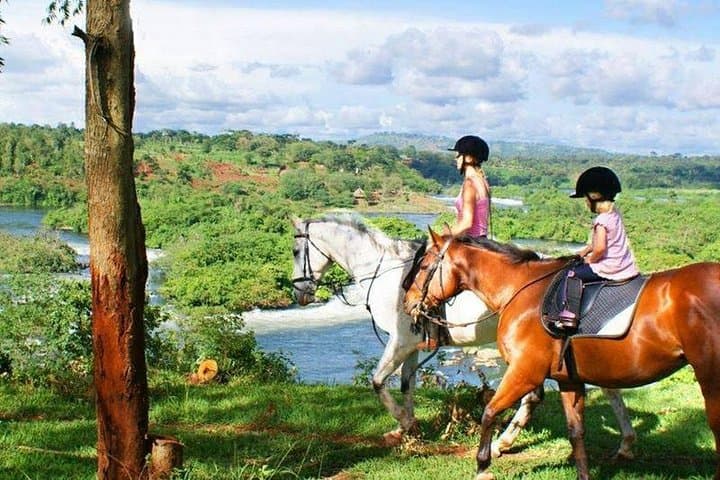
This is not a single-sport outing. It’s a carefully staged sequence of thrills—horseback loops through town, zip lines that thread into Mabira’s canopy, quad-bike daydreams along sandy riverbanks, and two water sessions: a quick, punchy white-water run and a calm glide in a kayak. All of it fits into roughly three-and-a-half hours, which is precisely why this tour works: it’s a sampler for people who want an active afternoon that reads like a highlight reel.
Jinja’s adrenaline culture is braided with history. This city grew up where the Nile leaves Africa’s largest lake, and for centuries Ripon Falls marked the point where the water finally found itself. In the 1950s the British-built Owen Falls Dam—now called Nalubaale—changed the river’s personality, flooding some channels and taming others for hydroelectric power. Those engineering decisions didn’t erase the river’s temperament; they simply rerouted it. Upstream, Itanda Falls still throws spray and sound around the gorge, and the rapids that feed white-water customers are reminders that the Nile remains an active force, not a museum piece.
Geology and ecology meet at Mabira Forest, a patch of lowland rainforest a short drive from town. Stand below its canopy and you can hear the same river in miniature: a world of leaves, birdsong, and long vines, where the zipline turns the treetops into a suspended corridor of motion. Local guides will point out termite mounds, olive-green monkeys, and the occasional African fish eagle—wildlife that makes the trip feel layered rather than linear.
Practical-minded travelers appreciate how this itinerary compresses logistics. The private-tour format means operators can roll out the sequence in order: a quick orientation at a central meeting point in Jinja, a briefing for safety and equipment, then a shuttle to each activity hub. White-water and kayaking legs are short—30 minutes apiece—so you get the pulse of the river without committing to a full-day expedition. That’s ideal for families, mixed-ability groups, or people who want an introduction before returning for a full multi-day rafting trip.
Still, the river asks for respect. Flows vary dramatically with seasonal rains; what’s playful in the dry months can be muscular during the long rains. Guides will size you up, pair you with the right safety gear, and set the route accordingly. Expect helmets, life jackets, and clear instructions—operators in Jinja have built reputations on safety as much as on thrills.
Wear what moves with you: quick-dry clothing, closed-toe shoes, and a small daypack for sunscreen and a water bottle. For photographers, the sun over the Nile is unkind in the middle of the day; early-morning and late-afternoon runs make for softer light and more palpable river texture. And if you’re curious about culture, build in a half-hour to wander the Jinja market afterward—ask about when the weekly farmers’ market started; local guides love this local history question and will tell you about entrepreneurs who shaped the city’s riverside economy.
Cost is tiered; this particular private tour lists a starting rate (reflecting private-group pricing), but what you’re paying for is curation: one operator coordinating multiple activity providers in a single itinerary, which removes the friction of booking each experience separately. For travelers with limited time, that convenience is the real value.
If you want to push further after the circuit, Jinja is a smart base. Bujagali and Itanda rapids offer full-day runs; Mabira has longer hiking trails; and the Jinja Sailing Club and riverside cafés are pleasant places to decompress. Responsible travel matters here: the Nile’s health depends on sensible waste management, careful fuel use by boat operators, and seasonal limits on certain stretches of river.
For anyone who has ever wanted a day that moves from slow to loud—forest hush to white-water roar—Jinja’s half-day circuit delivers. It’s not about conquering the Nile so much as negotiating with it: accepting its invitation, meeting its tempo, and leaving with a sharper sense of why people have traveled to this river for thousands of years.
Practical snapshot: plan on three-and-a-half hours of guided activity, moderate fitness, a willingness to get wet, and sensible gear. Go in the drier months for easier river conditions and the green season for fuller falls and louder rapids. Most importantly, come curious: the river has stories to tell, and the best ones come when you’re paying attention.
Trail wisdom
Small choices, better day.
Hydrate before you go
Start with a full water bottle—tropical sun and exertion dry you out fast and drinking on the river is awkward.
Wear quick-dry layers
Swap cotton for synthetics; you’ll be wet at times and will want clothing that dries quickly and reduces chafing.
Listen to the safety briefing
Rafting and quad biking require following the guide’s instructions exactly—stay alert and ask questions.
Protect electronics
Use a drybag or leave cameras and phones with your group leader to avoid water damage.
Local knowledge
Read the place, not just the route.
Watch for native species including Olive baboons and colobus monkeys in Mabira, African fish eagle and kingfishers along the Nile.
Keep an eye out for wildlife during the transition between areas and habitats. Respect distance guidelines.
Operators work with local communities to minimize riverbank pollution; visitors should pack out trash, avoid single-use plastics, and respect breeding sites on quieter river stretches.
Follow the guide's instructions on size limits, ethical handling, and leave-no-trace practices.
Mabira Forest walking trails and small local tea plantations. Riverside viewpoints just upstream from Itanda Falls with fewer visitors
Locally recommended viewpoints and quiet spots known best to local operators.
Ripon Falls and the early Nile outlet were dramatically altered when the British-built Owen Falls Dam (now Nalubaale) was completed in 1954, reshaping the river and local communities.
Maritime roots and regional tradition shape the waterways and working coasts.
Seasonal guide
Four versions of the same landscape.
Spring
Best forLush forest views · Stronger river runs
ChallengesMud on trails · Higher river flows
March–May brings long rains: forests are at their greenest and rapids can feel punchier—great for experienced paddlers but more technical.
Summer
Best forDrier roads · Stable river conditions
ChallengesMidday heat · Higher sun exposure
June–August is typically drier—ideal for mixed-ability groups looking for predictable rafting and clear zipline conditions.
Fall
Best forFewer tourists · Lively birdwatching
ChallengesShort rains possible · Variable river levels
September–November’s short rains can nudge river levels; plan with a guide who monitors daily flow reports.
Winter
Best forCalmer water sessions · Clear skies
ChallengesHotter afternoons · Strong sun
December–February is generally dry and hot—great for kayaking and quads, but bring sun protection and hydrate aggressively.
Operator details
What the booking data adds.
Included
- ✓All Fees and Taxes
- ✓Professional Tour guide,Transfers
Good to know
- ✓Public transportation options are available nearby
- ✓Travelers should have at least a moderate level of physical fitness
Pack with intention
What to bring.
Good to know
Common questions.
The private tour runs about 3.5 hours and typically includes a horseback loop, a zipline in Mabira Forest, a quad-bike segment along the Nile, a 30-minute white-water rafting run, and roughly 30 minutes of kayaking.
Plan the edges
The details that make the day easier.
Owen Falls Dam (now Nalubaale) was completed in 1954 and altered Ripon Falls and the Nile’s flow at Jinja—this engineering project shaped modern Jinja and Uganda’s power grid.
After the action, head to a riverside café or the Jinja Sailing Club for Nile-view plates—try grilled Nile tilapia, grab a cold local beer, and wander the nearby market for handmade crafts or a fresh 'rolex' (Ugandan egg-and-sausage wrap).
- Closest airport
- Entebbe International Airport (EBB). Driving distance from Kampala: ~80–90 km
- 2–3 hours. Meeting point
- Source of the Nile
- central Jinja. Cell service
- reliable in town, patchy on some river and forest stretches. Permits
- fees
- modest forest access or site fees may apply at Mabira and key waterfalls; operator handles activity permits.
This tour operates in sensitive river and forest ecosystems—pack out all waste, avoid single-use plastics, and support operators who use eco-conscious fuel and waste practices.
Explore by topic
Follow the threads.
Keep exploring
Make the story part of the trip.
Set out from Bass Harbor for a private, customizable day on Blue Hill Bay — lighthouses, puffins, seals, and the chance to feel Acadia from the water. Small groups, local captains, unforgettable views.
In four hours you can move from shaded canyon ferns to wind-scoured coastal ridgelines, guided by someone who knows where the light—and the hidden views—live. This private half-day hike on the Monterey Peninsula or Big Sur is compact, curated, and perfect for travelers who want depth without a multiday commitment.
 Related story
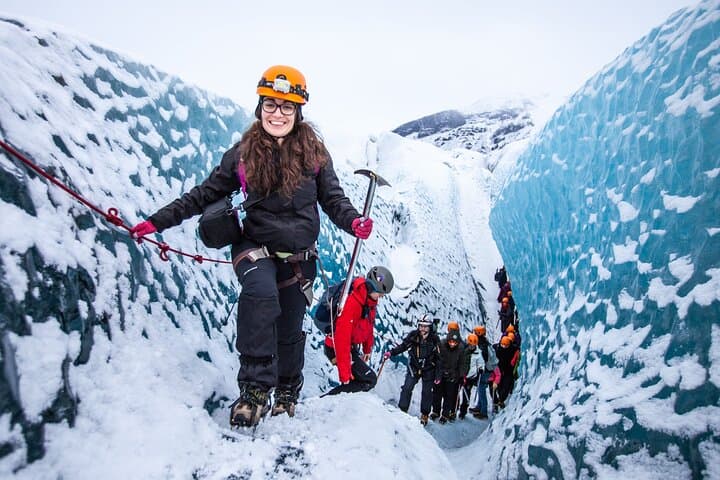
Beneath a sky of shifting light, Skaftafell’s ice reads like a map of time. This three-hour guided glacier hike mixes technical instruction with geology and culture: compact, safe, and unforgettable.