
What the day feels like
At dawn, the shoreline feels awake before you do. Gulls arc and chatter, the water flexes and settles, and Mt. Baker glows like a quiet sentinel to the east. Dry bags thump into hatches, spray skirts snap taut, and a paddle blade cuts that first satisfying crescent into the Salish Sea. The current nudges you out from land with a gentle shoulder, then asks—are you ready to move? This is the rhythm of a 2–3 day kayak-camping loop between Lummi and Clark Islands, a compact expedition that blends salt-streaked paddling with island nights under madrone trees and stars.
The route is tailored by weather and tide, which have plenty of opinions here. On a clear day, you’ll launch with Mt. Baker’s glaciated cone hovering over your right shoulder and the green spine of the San Juans marching off to the west. Guides from <a href="https://app.advcollective.com/local-experts/kayaking-camping-san-juan-islands-moondance-sea-kayak-adventures" target="_blank">Moondance Sea Kayak Adventures</a> pack you into stable fiberglass tandems, hand you Werner paddles, and set a pace that feels almost conversational—until the Rosario Strait reminds you who sets the terms. Out by Carter Point and the rock gardens, the sea breathes through kelp and barnacled seams. Harbor seals surface like punctuation marks, then vanish, leaving only a slick and the feeling of being watched.
Camping is the secret luxury of this trip. On Lummi or Clark, tent stakes sink into soft duff above small, pebbled coves where moonlight combs the tide line. Madrona trees peel copper curls like old stories; the sea keeps its own counsel. Dinner sizzles, steam rises from mugs, and the shoreline chatters with life you didn’t know lived here—chitons clinging like medieval armor, anemones flexing with the tide. If the night is still and dark, the water sometimes answers your paddle with sparks of bioluminescence, a private constellation under the hull.
On a 2-day itinerary, you’ll explore at an easy drift—paddling and hiking the island fringe, scanning for eagles claiming their wind, and timing the return to ride a friendly tide back to the launch. Add a third day and the journey stretches into a full arc around Lummi’s southern horn. Carter Point corrals currents that can stack wind waves and ask for crisp strokes—respect the line, and it rewards you with the best intertidal show on the route: ochre sea stars rehabbing in shaded cracks, sculpin darting, kelp forests tugging your kayak like a curious dog.
This corner of the Salish Sea is as cultural as it is wild. These are ancestral waters of the Lummi Nation, whose reef-net fishing and cedar canoes shaped a maritime culture long before pleasure boats traced these channels. Geologically, the Strait’s depth and straight-shot orientation are glacial signatures—ice carved, sea-flooded, and now busied by crisscrossing tides. Look up and you read volcanic time in Baker’s shoulders; look down and you read the present in a tide chart that decides where you camp first.
Food is part of the ritual. Guides cook hearty, simple meals—fuel that matters when you’re paddling 5–10 miles a day. Morning coffee steam mingles with marine fog; by noon you’re tucked behind a headland eating lunch, letting the wind slide past while gulls heckle you for the apple core you won’t share. Evenings settle into low conversation and the small joys of camp: a warm layer, a dry pair of socks, and the rustle of a rainfly that says you’re ready for whatever the night plans.
The beauty here is in the balance: approachable adventure with real texture. You don’t need to be a veteran sea kayaker, but you do need to respect cold water, moving currents, and fickle wind. That’s why going guided matters. <a href="https://app.advcollective.com/local-experts/kayaking-camping-san-juan-islands-moondance-sea-kayak-adventures" target="_blank">Moondance Sea Kayak Adventures</a> keeps ratios small (1:8 max), layers in safety training, and chooses camps based on conditions, not stubborn itinerary lines. They provide the kayaks, paddles, spray skirts, rescue gear, lunch on day one through lunch on your final day, and morning coffee or tea. You bring personal layers, a tent, sleeping bag and pad (rentals may be available), and the willingness to shoulder a boat with the group when it’s time to land above the wrack line.
Two or three days feels like just enough time to listen—the kelp whispering as it braids the current, the cormorants wheeling over a rock that appears only at a 1.2-foot tide, the hull humming when you lean into a following sea. The Strait is alive and opinionated, daring you to find the line between work and glide. And when you do, the islands answer with a soft place to sleep and a sky that opens wide.
If you’re planning ahead, target summer and early fall windows for longer, calmer days. Winds can build in the afternoons; early starts pay off. Expect cold water year-round. Keep distance from wildlife, especially when whales are in the area—your guides will brief you on current rules. And pack like a minimalist: a 10-liter dry bag teaches you what actually matters. For everyone who dreams of paddling into a place and staying long enough to understand its tide cycles, this is the San Juans in their essentials—salt and light, muscle and rhythm, and the quiet dignity of islands that let you pass if you listen.
Curious to build your own variation or book a private group? Start with the local pros at <a href="https://app.advcollective.com/local-experts/kayaking-camping-san-juan-islands-moondance-sea-kayak-adventures" target="_blank">Moondance Sea Kayak Adventures</a>—they know how to read this water, and how to turn a chart into an unforgettable line.
Trail wisdom
Small choices, better day.
Time Your Tides
Rosario Strait can run 2–4 knots—launch on a favorable ebb or flood to make miles efficiently and safely.
Pack Small, Pack Dry
Use multiple small dry bags (5–10L) instead of one big one so gear fits around bulkheads and foot pegs.
Dress for the Water, Not the Air
Salish Sea water is cold year-round; synthetic or wool layers and a windproof shell are a must, even on sunny days.
Start Early for Calmer Seas
Morning typically brings lighter winds—plan crossings and exposed headlands before afternoon breezes pick up.
Local knowledge
Read the place, not just the route.
Watch for native species including Harbor seals, Bald eagles.
Keep an eye out for wildlife during the transition between areas and habitats. Respect distance guidelines.
Kelp forests and eelgrass beds are critical habitat—avoid landing on vegetation and keep respectful distance from marine mammals and birds.
Follow the guide's instructions on size limits, ethical handling, and leave-no-trace practices.
Low-tide rambles on Clark’s north shore reveal vibrant tide pools and polished chert pebbles. Madrone groves above pocket coves on Lummi offer wind-sheltered sunset viewpoints
Locally recommended viewpoints and quiet spots known best to local operators.
These are ancestral waters of the Lummi Nation, whose reef-net fishing and cedar canoe traditions shaped life in the islands long before modern navigation.
Maritime roots and regional tradition shape the waterways and working coasts.
Seasonal guide
Four versions of the same landscape.
Spring
Best forWildlife viewing · Cool, crisp paddling
ChallengesUnstable weather · Cold water and chilly nights
Expect mixed fronts and brilliant clear breaks. Wildlife activity spikes as seals and birds feed along the intertidal zone.
Summer
Best forLongest daylight · Warmest air temps
ChallengesAfternoon winds · Popular campsites
Prime season with reliable conditions and busy marine parks—early starts and guide-managed camp reservations help.
Fall
Best forCalmer shoulder-season days · Golden light for photography
ChallengesShortening daylight · Occasional fog
September often brings glassy mornings and smaller crowds; pack warmer layers for crisp evenings.
Winter
Best forSolitude · Dramatic skies
ChallengesStorms and strong winds · Very cold water and limited daylight
Guided winter trips are highly conditions-dependent; only for experienced paddlers with robust cold-weather gear.
Pack with intention
What to bring.
Good to know
Common questions.
Basic fitness and comfort on the water are sufficient; guides provide instruction on paddle strokes, safety, and efficient packing.
Plan the edges
The details that make the day easier.
Clark Island is a 55-acre Washington State Marine Park and a designated Cascadia Marine Trail campsite accessible only by human- or wind-powered watercraft.
Refuel in Bellingham’s historic core: grab a post-trip IPA at Aslan Brewing Company or Boundary Bay Brewery, then celebrate with oysters and sunset views along Chuckanut Drive at The Oyster Bar. On Saturdays, the Bellingham Farmers Market is an easy place to stock local snacks before you launch.
- Closest airport
- Bellingham International (BLI). Typical launch near Gooseberry Point or a nearby protected beach (exact meet point provided upon booking). Driving time from downtown Bellingham: ~25–35 minutes. Cell service is spotty among the islands—download maps and tide charts. Permits
Wildlife here is sensitive and protected. Follow your guide’s briefing and Be Whale Wise regulations, give whales and seals wide space, avoid kelp beds when landing, and pack out every scrap—these marine parks depend on low-impact travel.
Explore by topic
Follow the threads.
Keep exploring
Make the story part of the trip.
In four hours you can move from shaded canyon ferns to wind-scoured coastal ridgelines, guided by someone who knows where the light—and the hidden views—live. This private half-day hike on the Monterey Peninsula or Big Sur is compact, curated, and perfect for travelers who want depth without a multiday commitment.
 Related story
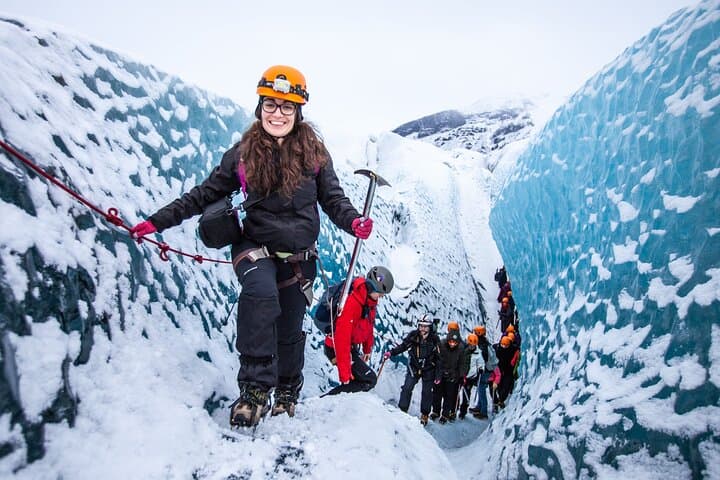
Beneath a sky of shifting light, Skaftafell’s ice reads like a map of time. This three-hour guided glacier hike mixes technical instruction with geology and culture: compact, safe, and unforgettable.
 Related story
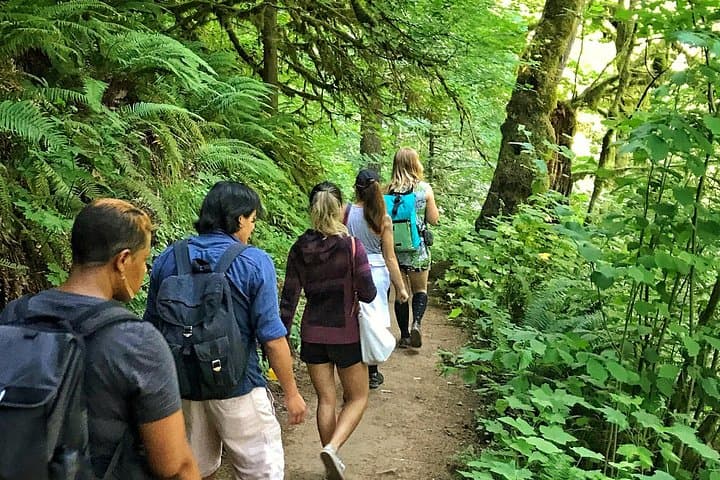
Lose the city for a few hours without leaving it: this 5-mile, 900-foot-gain Forest Park loop threads old-growth pockets, city viewpoints, and cultural landmarks for a compact taste of Portland’s wild side. Expect moss, roots, and stories.