
What the day feels like
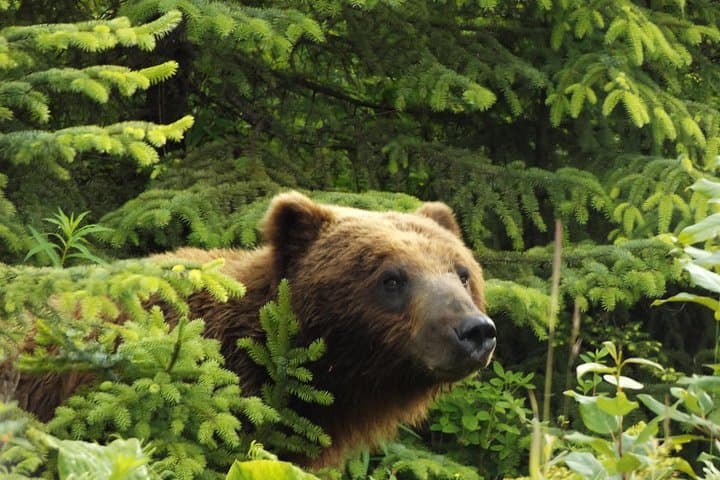
The skiff slows, its wake thinning into a mirror of wind and cedar-scented fog. Ahead, the shoreline pins itself to the horizon—dark gravel beaches flanked by a green so dense it looks like an idea of forest. You step onto Chichagof Island and the island answers: a chorus of gulls, the low rip of surf, and far off, a lumbering shape that turns its head, sniffing the air as if the place itself is assessing you. This is not a trophy hunt; it’s a close, deliberate search through one of the world’s most concentrated brown bear habitats. In three hours you’ll learn to move slowly, see sharply, and listen to a landscape where the animals call the cadence.
Chichagof Island sits in the outer reaches of the Alexander Archipelago, a maze of fjords and rainforests carved by ice and tide. Its highest densities of brown bears per square mile make it a magnet for wildlife skippers and scientists alike; the bears use the island’s salmon-rich streams and verdant lowlands as a seasonal supermarket. The human history here is more intimate than dramatic: Hoonah, the nearest town with about 850 year-round residents, has been a Tlingit and maritime hub for generations. Local knowledge—smokehouse techniques, tide lore, where the salmon run hardest—still guides how tours operate and where bears are most likely to be observed without disturbance.
Geologically, Chichagof’s personality is shaped by glacial action and tectonic tilt. U-shaped valleys, pebble beaches, and abrupt headlands are common, and they influence both animal movement and where you stand to watch them. On any given trip you’ll move between sheltered estuaries where tide pools glint and open beach where marauding gulls dare you to come closer. The temperate rainforest—dominated by Sitka spruce and western hemlock—feels alive, sap and drip conducting the island’s slow heartbeat.
Culturally this is a place that requires respect. Guides from Hoonah balance bear safety, wildlife welfare, and visitor experience. They emphasize quiet observation and distance; the goal is sustained viewing, not startling encounters. The tour’s small-group format keeps impact low and viewing opportunities high. You’re sharing space with large predators that work on their own time, and the most frequent lesson is patience.
Practical realities matter on Chichagof. The land-based tour runs roughly three hours, usually arranged as a small-group outing departing from Hoonah. There’s little in the way of steep climbs—expect mostly level beach and intertidal terrain with occasional boardwalk or boggy patches—but footing can be uneven, wet, and muddy. Bring layered rain gear: the island lives in its moisture, even on sun-slashed days. Binoculars and a mid-range zoom lens earn their keep; cameras are best mounted on monopods or kept handheld for quick framing as bears move along shorelines.
Timing is everything. The prime season runs through late spring and summer as salmon runs peak and bears concentrate along streams and estuaries. Early morning and late afternoon light not only flatters the landscape but tends to produce more animal movement. Guides watch tides and salmon behavior closely—sometimes the best views occur when a falling tide exposes flats and concentrates fish.
Safety is straightforward if you follow established rules: stay with your guide, keep a respectful distance, and never leave food or scented items unsecured. The guides know where to station groups for both good viewing and low disturbance; your job is to listen. A soft palette of behaviors—quiet voices, slow movement, steady observation—translates to better photos and longer, more meaningful encounters with the island’s wildlife.
For planners: the tour is priced from approximately $164 USD per person and runs about three hours, with instant confirmation and free cancellation in many cases. Across 173 reviews this product holds an average rating around 3.84; guides, weather variability, and wildlife unpredictability factor into individual experiences. Expect a compact, wildlife-first outing—more about seeing bears in their home than camping-style wilderness immersion.
What you’ll take home is small but sticky: a memory of a bear that squats like a great patient boulder, the scent of cedar and tide, and a clearer sense of how humans can visit without imposing. The tour is ideal for anyone who wants high-probability wildlife viewing without multi-day logistics—the sort of adventure that feels elemental and safe in the hands of experienced local guides.
If you go: plan for changeable weather, bring optics, and keep expectations anchored. Bears are temperamental and wild; the best-seen moments are the result of careful timing, good guides, and a willingness to watch quietly while the island performs its old, slow routines. In that patience you’ll find the payoff: a long, clean look at a primeval animal in a place where, for a few hours, the human world recedes enough to listen.
Trail wisdom
Small choices, better day.
Bring Optics
Binoculars or a 300–400mm lens make distant shore- and stream-based viewing productive without getting close to wildlife.
Layer for Rain and Cold
Waterproof shell plus warm mid-layer keeps you comfortable through coastal fog and wind.
Footing Matters
Wear waterproof boots with good tread—expect wet sand, pebbles, and occasional boardwalks.
Listen to Your Guide
Guides set safe viewing distances and routes—follow their lead to maximize wildlife sightings and minimize disturbance.
Local knowledge
Read the place, not just the route.
Watch for native species including Brown bears (Ursus arctos), Bald eagles.
Keep an eye out for wildlife during the transition between areas and habitats. Respect distance guidelines.
Tours emphasize low-impact viewing—staying on designated routes, keeping distance from bears, and securing food—to minimize human-wildlife conflicts and protect habitat.
Follow the guide's instructions on size limits, ethical handling, and leave-no-trace practices.
Tide flats near the estuaries where eagles and shorebirds concentrate. Quiet sidetracks along forest edges that offer close-but-safe vantage points for bear activity
Locally recommended viewpoints and quiet spots known best to local operators.
Hoonah and the surrounding islands are within traditional Tlingit territory; generations have relied on salmon and sea resources, and local guides often draw on that knowledge.
Maritime roots and regional tradition shape the waterways and working coasts.
Seasonal guide
Four versions of the same landscape.
Spring
Best forEarly-season salmon runs · Migratory birdwatching
ChallengesUnpredictable weather · Cool temperatures
Spring brings the first salmon and active bears; expect variable weather and fewer crowds than summer.
Summer
Best forPeak bear activity · Long daylight hours
ChallengesHigher visitor numbers · Insect activity in some areas
Summer is the highest-probability season for bear viewing with long days and active wildlife.
Fall
Best forLate salmon runs · Autumn colors
ChallengesShortening daylight · Colder nights
Fall concentrates feeding bears on late salmon runs and offers dramatic light, but days shorten quickly.
Winter
Best forStorm-watching from protected spots · Solitude
ChallengesLimited services · Ferry and flight disruptions
Winter is generally off-season for wildlife tours; expect limited logistics and harsher conditions.
Operator details
What the booking data adds.
Included
- ✓Picks Up & Drops Off at Icy Strait 3rd Party Excursions Hub
- ✓Local Native guide
- ✓Small Group Tour - Max of 10
- ✓All individual seating in van, no bench seating
- ✓USFS $7.00USD Park Entrance Fee
Not included
- —Gratuities (Never expected always appreciated)
Good to know
- ✓Suitable for all physical fitness levels
- ✓Tour Time is Departure time. Please meet 15 minutes prior at the Icy Strait Excursions Hub
- ✓Each Child on tour must be accompanied by an adult
- ✓No Smoking
- ✓At time of booking, cruise ship passengers must provide ship name
- ✓Children Under the age of 8 are not permitted on this tour
- ✓While we endeavor to find bears on this tour we cannot gurantee sightings
Pack with intention
What to bring.
Good to know
Common questions.
Chichagof Island has one of the highest densities of brown bears in the world, so sightings are common, though not guaranteed; wildlife movements depend on salmon runs and tide cycles.
Plan the edges
The details that make the day easier.
Chichagof Island is noted for having the highest population density of brown bears per square mile of any place on Earth.
After the tour, head to Hoonah’s harbor area for fresh seafood and locally smoked salmon served at small cafes and community spots; look for locally made crafts and talk with guides about Tlingit cultural connections to the land.
- Closest airport
- Juneau International Airport (JNU) with seaplane or ferry connections to Hoonah; Transfer: 20–40 minute flight or ferry from Juneau; Local travel: short drive from Hoonah harbor to tour meeting point (≤15 minutes); Cell service: intermittent outside town; Permits: none required for the tour, but follow wildlife regulations and guide instructions.
Tours prioritize low-impact viewing—pack out all trash, avoid leaving food unattended, and follow guide instructions to reduce disturbance to bears and salmon habitats.
Explore by topic
Follow the threads.
Keep exploring
Make the story part of the trip.
In four hours you can move from shaded canyon ferns to wind-scoured coastal ridgelines, guided by someone who knows where the light—and the hidden views—live. This private half-day hike on the Monterey Peninsula or Big Sur is compact, curated, and perfect for travelers who want depth without a multiday commitment.
 Related story
Beneath a sky of shifting light, Skaftafell’s ice reads like a map of time. This three-hour guided glacier hike mixes technical instruction with geology and culture: compact, safe, and unforgettable.
 Related story
Lose the city for a few hours without leaving it: this 5-mile, 900-foot-gain Forest Park loop threads old-growth pockets, city viewpoints, and cultural landmarks for a compact taste of Portland’s wild side. Expect moss, roots, and stories.