
What the day feels like
You arrive in the valley with water on your mind and a morning that feels suspiciously like an invitation. Mist hangs low where granite meets fir; a guide greeting you at the trailhead offers a thermos of coffee and the simple promise of choices—hike or ride, viewpoints or hidden corners. Over the next six to eight hours you’ll move through a kind of geological orchestra: plunges, horsetails, ribbons, and veils—each waterfall conducting its own tempo. This is Yosemite in spring, when the park is loud with meltwater and the landscape seems to be in motion.
A private, customizable tour is the most measured way to experience that abundance. The route can be tailored to your pace and interest—photography, short hikes to viewpoints, or longer walks to feel the spray on your face. Typical highlights include Yosemite Falls (a staggering 2,425-foot total drop), Vernal and Nevada Falls along the Mist Trail, Bridalveil Fall, Ribbon Fall, Sentinel Falls, and the seasonal magic of Horsetail Fall, which famously catches the light in late February. Your guide will pick routes and timing to show maximum flow and light, and they’ll steer clear of crowds when possible. For booking and customization, consider a reputable local operator such as this <a href="https://app.advcollective.com/local-experts/waterfalls-of-yosemite-private-custom-tour">Waterfalls of Yosemite private tour</a> that specializes in private, flexible itineraries.
Geology explains the drama. Yosemite’s waterfalls are the product of granite carved by ancient glaciers. The steep headwalls, the talus-strewn pools, the knife-edged ridges that direct runoff into single, glorious knives of water—this is a valley shaped by ice and now animated by melt. Hydrology is equally important: flows spike in spring as snowpack releases, then taper through summer. That seasonality changes the experience entirely—March through June is peak flow; by late summer some falls are reduced to trickles.
There’s history braided into the canyons, too. Indigenous Ahwahneechee people lived with and understood this landscape long before it became a national park in 1890. Later visitors—naturalists like John Muir—documented Yosemite’s waterfalls and helped spur its protection. Today a private tour feels like a modern continuation of that slow, curious engagement: a chance to listen to a guide who knows the geology, the best light, and the quieter viewpoints.
Practical choices matter. Decide early whether you want a car-based day—good for families and travelers with limited mobility—or a hiking-focused excursion that includes sections of the Mist Trail (steep and often wet) and short climbs to viewpoints. Time your visit for morning or late afternoon light; Horsetail Fall is a sunset phenomenon in late February, while Vernal and Nevada are best mid-morning when the sun lights the mist for rainbows.
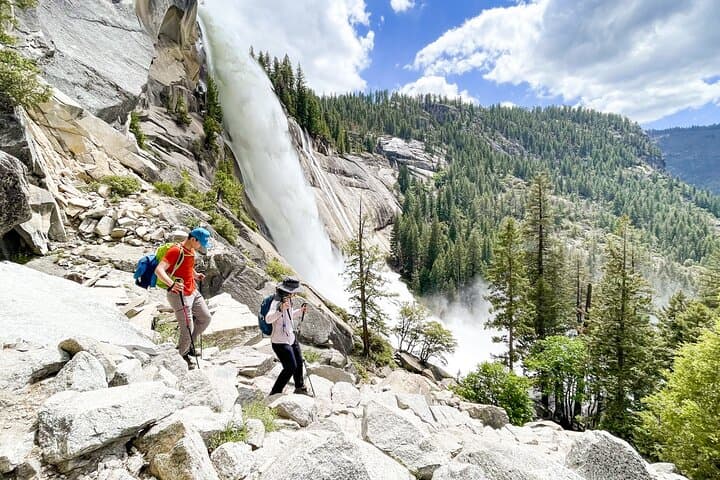
Expect variable terrain: paved viewpoints, switchbacked trails with granite slabs, and slick, mist-lashed stairways. Wear shoes with good traction and bring layers—spray from the larger falls chills quickly even on warm days. Hydrate; altitudes in Yosemite Valley sit near 4,000 feet, and hikes that feel easy on flat ground can require more breath than you expect.
For photographers, waterfalls are as much about timing as composition. Long exposures smooth water into silk, but the best single-frame moments often come when light hits falling water at an angle that catches spray, or when wind sculpts the veil. Your guide can place you where trails allow strategic vantage points without trespassing on fragile meadow or cliff edge.
A private tour’s value is in flexibility and context. Guides tell you which falls are primed by recent storms, which viewpoints clear of crowds at certain hours, and which short detours yield unexpectedly private experiences—an intimate name for a plunge pool, a moss-covered granite bench for lunch. And they manage logistics: parking inside Yosemite can be frustrating during high season; a guide usually knows the timing and routes that minimize that friction.
If you’re planning, make the practical choices ahead of time. Book a tour that’s confirmed instantly if you need dependable timing; bring a park pass or be prepared to pay the entrance fee. Weather and water flow vary year to year, so ask the operator about current conditions. If your interest is photography, request a guide who has experience with light and composition around waterfalls. And be willing to adjust: sometimes the day’s best moment is an unplanned, low-light fall revealed after a late-afternoon storm.
A private customizable waterfalls tour in Yosemite is more than a checklist of waterfalls. It’s a guided conversation with a landscape that changes with season, hour, and the volume of snow it received the winter before. Move through it with someone who knows where water strikes the granite hardest, where to stand for rainbows, and how to read the park’s microclimates—and you’ll leave with something practical and lasting: a set of images, a handful of stories, and the sure knowledge that, in Yosemite, water is an active partner in the adventure. For reservations and specific itinerary options, see this trusted operator’s page: <a href="https://app.advcollective.com/local-experts/waterfalls-of-yosemite-private-custom-tour">Waterfalls of Yosemite Private Custom Tour</a>.
Trail wisdom
Small choices, better day.
Expect Spray
Bring a lightweight waterproof layer and a lens cloth—Misty trails and viewpoint spray can soak cameras and clothes quickly.
Start Early or Late
Avoid mid-day crowds by aiming for sunrise viewpoints or late afternoon light; some falls look best with low-angle sun.
Footwear That Grips
Choose shoes with sticky rubber and ankle support—granite slabs and wet stairways are slick.
Follow Your Guide
Guides know where to park, where to skirt crowds, and which micro-trails are fragile—respect route guidance.
Local knowledge
Read the place, not just the route.
Watch for native species including Black bear, Mule deer.
Keep an eye out for wildlife during the transition between areas and habitats. Respect distance guidelines.
Waterfall flows depend on Sierra snowpack—climate change is reducing late-summer flows; pack out what you bring and stay on designated trails to protect fragile meadows.
Follow the guide's instructions on size limits, ethical handling, and leave-no-trace practices.
Royal Arch Cascade—small but photogenic and often overlooked. Mirror Lake at dawn for reflective, tranquil scenes away from main falls
Locally recommended viewpoints and quiet spots known best to local operators.
Yosemite’s protection was championed in the late 19th century by naturalists such as John Muir; the park was formally established in 1890.
Maritime roots and regional tradition shape the waterways and working coasts.
Seasonal guide
Four versions of the same landscape.
Spring
Best forPeak waterfall flow · Photography of rainbows · Full Mist Trail experience
ChallengesTrail mud and high spray · Possible closure of higher trails due to snow
Spring is the high-water season—expect thunderous falls, saturated trails, and the best chances for rainbow-laced photos.
Summer
Best forCar-accessible viewpoints · Longer daylight hours
ChallengesReduced flow on some falls · Crowds and limited parking
Summer offers easier trail conditions but lower flows on many falls; plan for early starts to beat crowds.
Fall
Best forClear light · Less crowded viewpoints
ChallengesLower flows except after storms · Shorter daylight hours
Fall delivers crisp air and good light; waterfalls are quieter unless revived by autumn storms.
Winter
Best forIce-sculpted falls · Snowy valley scenes
ChallengesIcy trails and closed roads · Cold temperatures and nights
Winter transforms falls into frost and ice features—spectacular, but expect limited access and colder conditions.
Operator details
What the booking data adds.
Included
- ✓Reservation into Yosemite on day of activity
- ✓Private customizable guided adventure
- ✓Knowledgeable guide with expert local insights and safety tips
- ✓Trekking poles can be requested
- ✓Option to explore up to 8 hours, or adjust to a shorter adventure
Not included
- —Optional Gratuities (10-20% is standard)
- —Additional National Park Entrance Fee (Non-U.S. Residents Only) USD 100.00 per person
- —Hotel pickup and drop-off is not provided.
- —Private transportation
- —Food and drinks are not provided.
Good to know
- ✓Wheelchair accessible
- ✓Infants and small children can ride in a pram or stroller
- ✓Service animals allowed
- ✓Public transportation options are available nearby
- ✓Travelers should have at least a moderate level of physical fitness
- ✓Disclaimer: While our "Waterfalls of Yosemite - Customizable Private Tour" includes ten stunning waterfalls, please note that the ability to see all of them is subject to various factors such as seasonal conditions, weather, trail accessibility, and participants' health and physical abilities. We strive to provide the best possible experience, but we cannot guarantee that all waterfalls will be visited on every tour.
- ✓Please Note: National Park fees may apply for international visitors. If applicable, this fee is collected in-destination and not at the time of booking.
Pack with intention
What to bring.
Good to know
Common questions.
Spring—typically March through June—when snowmelt feeds the falls; peak months vary by year depending on winter snowpack.
Plan the edges
The details that make the day easier.
Yosemite Falls has a total drop of 2,425 feet, making it one of the tallest waterfalls in North America.
After a day of mist and granite, head to the Ahwahnee Dining Room for seasonal lodge fare or grab pizza and local beers at Yosemite Valley Lodge patios; in nearby Mariposa try farm-to-table bistros to connect with foothill flavors.
- Closest major airport
- Fresno-Yosemite International (FAT, ~1.5–2 hours); Driving from Mariposa: ~1–1.5 hours; Cell service: intermittent in the valley, reliable in some spots only; Permits
- Passes
- Yosemite entrance fee required; check NPS for day-use reservation requirements during peak season.
Waterfalls and meadow habitats are fragile—stay on trails, pack out trash, avoid washing near water sources, and prefer guided routes that reduce visitor impact.
Explore by topic
Follow the threads.
Keep exploring
Make the story part of the trip.
Set out from Bass Harbor for a private, customizable day on Blue Hill Bay — lighthouses, puffins, seals, and the chance to feel Acadia from the water. Small groups, local captains, unforgettable views.
In four hours you can move from shaded canyon ferns to wind-scoured coastal ridgelines, guided by someone who knows where the light—and the hidden views—live. This private half-day hike on the Monterey Peninsula or Big Sur is compact, curated, and perfect for travelers who want depth without a multiday commitment.
 Related story
Beneath a sky of shifting light, Skaftafell’s ice reads like a map of time. This three-hour guided glacier hike mixes technical instruction with geology and culture: compact, safe, and unforgettable.