
What the day feels like
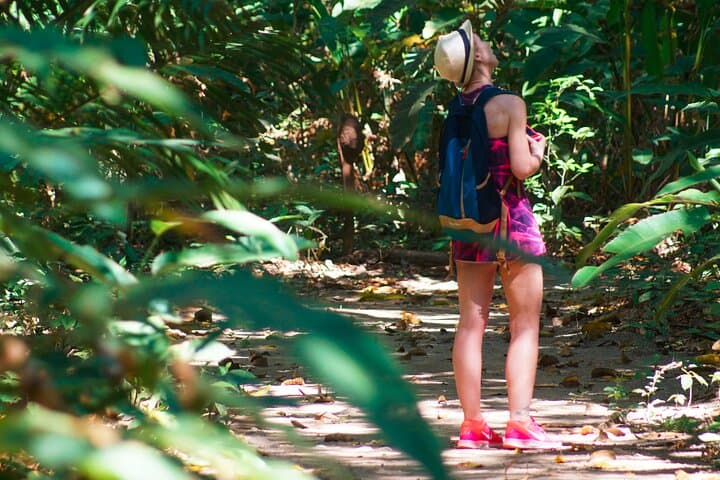
Morning arrives in a wash of light that makes the dry forest look like it’s breathing. The trunks of Guanacaste trees catch the sun, their pale bark blooming gold, while the thin coastal breeze tugs at the leaves and brings salt from a distant shore. On the trail you move quietly not because you must, but because the forest asks it of you: a troop of white-faced capuchins negotiates the canopy above, chattering like impatient travelers; a two-toed sloth hangs in patient disbelief at your speed. This is the rhythm of Curu Wildlife Refuge — part sanctuary, part classroom — where a four- to five-hour private nature tour turns a morning walk into a condensed field course in Costa Rica’s wild, cultural, and geological story.
The guides who lead these tours are local naturalists: born on the Nicoya Peninsula and steeped in the traditions their grandparents helped shape. They will tell you about the early settlers, the agricultural rhythms that once dominated this coast, and the local efforts to protect the last stands of tropical dry forest — one of the world’s most endangered ecosystems. The Nicoya Peninsula itself is a patchwork of uplifted coastal terraces, volcanic soils, and pockets of rich marine life; geology here is subtle, more about exposures of older volcanic rock and sediment than dramatic peaks. But the interplay of land and sea creates ecological boundary conditions that support a startling diversity of species in a relatively small footprint.
On the practical side, this is not a strenuous hike. Expect narrow, root-laced tracks, sandy patches near the beach, and gentle rises that offer peekaboo views of the Pacific. The itinerary typically runs 240–300 minutes (about 4–5 hours), long enough to walk sandy shorelines, cross shaded riparian gullies, and linger at an overlook while your guide scopes the canopy for toucans or agoutis. The terrain rewards slow observation — binoculars and patience yield the best encounters — but the trail also keeps you honest when it’s muddy after a downpour.
Culturally, the Nicoya Peninsula is woven into Costa Rica’s broader story. It’s one of the world’s recognized Blue Zones, a region with disproportionate numbers of centenarians, and the tour leans into that inheritance: you’ll hear about local diets (beans, squash, and fruit), social rhythms, and the ways conservation ties to community livelihoods. The tour operator emphasizes local employment — every guide and service is from the peninsula — so your fee helps sustain a small-scale economy of people who know these woods intimately.
Wildlife takes center stage. Curu is known for its monkeys, coatis, and sloths, but it’s the hush between the calls that matters: the insects that spin the forest floor into sound, the flash of a yellow-bellied Elaenia on a branch, the furtive rustle that signals a deer slipping away. Birders will find pockets of reward: motmots, kingfishers along mangrove channels, and seasonal migrants. In the shallows near estuaries you may spot ghost-crab tracks and, after dark, the possibility of sea turtle nesting depending on the season and beach access.
If you’re planning this for the first time, think like a naturalist. Start early to catch cooler temperatures and active wildlife, wear comfortable boots with good grip, and carry water and sunscreen (even in a canopy, the sun finds you). Opt for a private tour if you want flexibility on pace and photo stops — it’s slightly pricier but the payoff is unhurried access and local storytelling that adds context to every species ID.
Logistics are straightforward: the experience is listed at about $150 per private tour, with manual confirmation and flexible scheduling to coordinate ferry times or regional flights into nearby Tambor. Many visitors combine the tour with a morning in Playa Santa Teresa or a ferry ride across the Gulf of Nicoya; the refuge is compact, so travel time from coastal towns is measured in tens of minutes to a couple of hours depending on your base.
Respect for the place is built into the day: stay on established trails, lower voices near wildlife, and leave no trace. The guides will point out restoration areas and explain how the refuge manages livestock incursions and invasive species, and they’ll likely invite questions about local traditions and conservation work. That interplay — community knowledge aligned with protected lands — is the core value of a private nature tour here.
Whether you’re a casual hiker who wants a meaningful morning in the tropics, a photographer stalking color and light, or a family looking for safe wildlife viewing, Curu delivers layered rewards. It’s not a dramatic mountain climb or a remote jungle expedition; it’s a gently rigorous, deeply human way to connect with a fragile coastal ecosystem and the communities who steward it. Walk slowly, look up, and let the peninsula’s long history of people and place make its case.
Trail wisdom
Small choices, better day.
Start at Dusk or Dawn
Wildlife is most active in the cooler hours; begin early to maximize sightings and avoid midday heat.
Footwear and Grip
Use closed-toe hiking shoes with good tread — trails have roots and can go slick in rain.
Hydration & Snacks
Bring at least 1–1.5 liters of water and small, salty snacks to sustain energy on a 4–5 hour walk.
Binoculars and Quiet
A small pair of binoculars and hushed voices increase wildlife encounters and photo opportunities.
Local knowledge
Read the place, not just the route.
Watch for native species including White-faced capuchin (Cebus capucinus), Two-toed sloth (Choloepus hoffmanni).
Keep an eye out for wildlife during the transition between areas and habitats. Respect distance guidelines.
Curu protects a remnant of tropical dry forest; visitors are asked to stay on trails, avoid feeding wildlife, and support local guides who contribute to conservation efforts.
Follow the guide's instructions on size limits, ethical handling, and leave-no-trace practices.
A small mangrove channel reachable at low tide that draws uncommon shorebirds. A shaded overlook with coastal views that’s perfect for quiet picnics and sunrise
Locally recommended viewpoints and quiet spots known best to local operators.
Local families on the Nicoya Peninsula helped found early settlements and now play a central role in eco-guiding and community-based tourism.
Maritime roots and regional tradition shape the waterways and working coasts.
Seasonal guide
Four versions of the same landscape.
Spring
Best forDry trails · Clear light for photos · Active birding
ChallengesHigher daytime heat · Some agricultural activity nearby
Late dry season brings stable trails and strong light — expect warm mornings and good visibility for birdwatching.
Summer
Best forLush foliage · Fewer tourists · Migratory birds arriving
ChallengesOnset of rains in afternoons · Muddy sections
Early rainy season fills the forest with green; go early, as storms commonly arrive by mid-afternoon.
Fall
Best forFewer crowds · Active insects and frogs · Beach access after rains
ChallengesPatchy heavy rains · Limited road conditions
Rainy-season rhythms are in full swing—wildlife is vibrant but trails can be slippery; waterproof footwear helps.
Winter
Best forCool mornings · Stable weather · Wildlife visibility
ChallengesHigher visitor numbers in peak dry season · Book guides early
Peak dry season (Dec–Feb) offers dependable weather and the best overall visibility, but expect more visitors.
Operator details
What the booking data adds.
Included
- ✓Private transportation
- ✓Snacks
- ✓All Fees and Taxes
- ✓Bilingual tour guide
Good to know
- ✓Infants and small children can ride in a pram or stroller
- ✓Public transportation options are available nearby
- ✓Specialized infant seats are available
- ✓Travelers should have at least a moderate level of physical fitness
Pack with intention
What to bring.
Good to know
Common questions.
The private tour lasts about 4–5 hours and is rated moderate — trails are mostly short, uneven walks with some sandy and rooty sections.
Plan the edges
The details that make the day easier.
The Nicoya Peninsula is one of five global Blue Zones — regions where people frequently live beyond 100 years — and local diets and social structures are part of that legacy.
After the walk, head to Santa Teresa or a nearby coastal town for fresh ceviche, grilled fish, or a local 'soda' (family-run restaurant). Try a cold local beer or freshly squeezed fruit juice while chatting with guides about fishing and farming traditions.
- Closest airport
- Tambor (TMU) for regional flights; major access via San José (SJO) or Liberia (LIR) plus road
- ferry; Driving distance
- 30–120 minutes from nearby beach towns depending on route; Cell service: Patchy inside the refuge; Permits: No special permits for day visits, small park entrance fee often applied
Curu protects tropical dry forest and coastal habitat — stick to trails, pack out all trash, and support local guides whose incomes fund conservation and community projects.
Explore by topic
Follow the threads.
Keep exploring
Make the story part of the trip.
Set out from Bass Harbor for a private, customizable day on Blue Hill Bay — lighthouses, puffins, seals, and the chance to feel Acadia from the water. Small groups, local captains, unforgettable views.
In four hours you can move from shaded canyon ferns to wind-scoured coastal ridgelines, guided by someone who knows where the light—and the hidden views—live. This private half-day hike on the Monterey Peninsula or Big Sur is compact, curated, and perfect for travelers who want depth without a multiday commitment.
 Related story
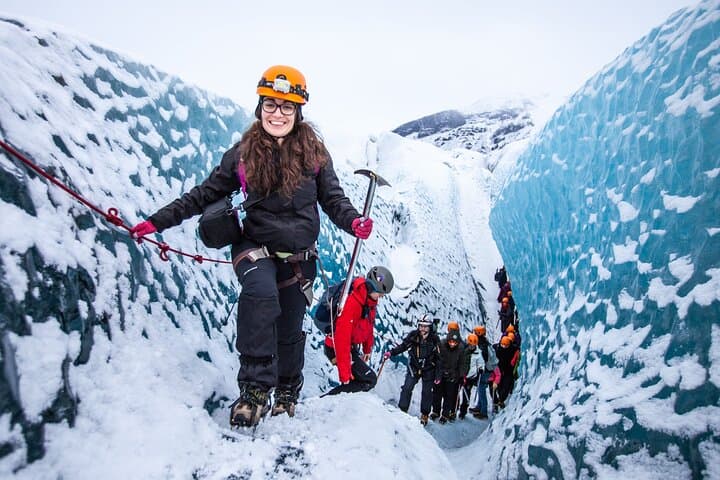
Beneath a sky of shifting light, Skaftafell’s ice reads like a map of time. This three-hour guided glacier hike mixes technical instruction with geology and culture: compact, safe, and unforgettable.