
What the day feels like
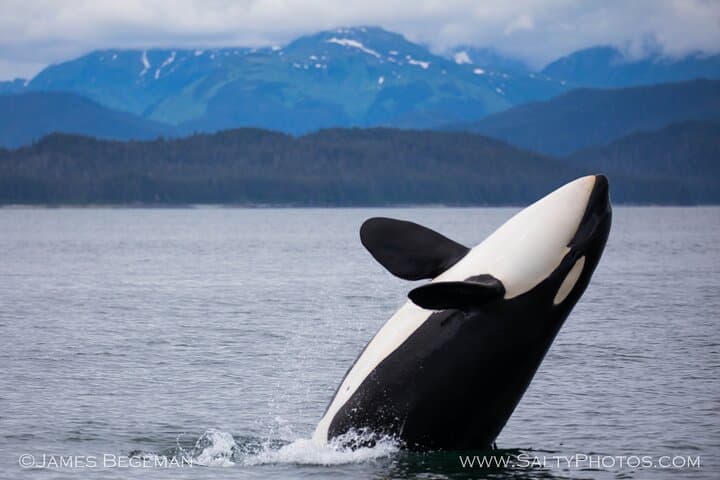
The bow cuts through a glassy morning and the sea answers with a spray that smells faintly of kelp and distant driftwood. On this three-hour outing from Icy Strait Point, the ocean doesn't simply appear — it negotiates with you. Currents nudge the hull, gulls wheel like punctuation marks above, and a hum in the water hints at a living world below. Then a column of white vapor, a tidy crescent of dorsal fin, and the breath of a humpback marks your first human-sized encounter. It’s immediate and intimate: whales that have been crossing these channels for millennia close enough for the whole boat to turn into an audience.
Small-boat whale watching from Icy Strait Point is a different animal than the giant-plastic-boat cruises that churn past these waters. Operators here run 32- to 38-foot vessels hosting between six and 16 passengers, a scale that means quieter engines, less wake and more elbow room. In practical terms, that matters: quieter boats draw less attention, and fewer people make clarity — in sightlines and in storytelling — easier. Naturalists on board will point to tails, explain blow patterns, and mark likely pockets where humpbacks bubble-net feed or where salmon push the whales into a corridor of abundance.
The region’s story is a layered one. Geologically, you’re in the inner channels carved by last ice age glaciers; mountains hug the shoreline, their slopes peeled into striated scars that funnel freshwater and plankton into productive feeding grounds. Culturally, Icy Strait Point sits on the traditional territories of the Huna Tlingit; the local Huna Totem Corporation runs much of the visitor infrastructure here, blending tourism with stewardship and employment for the Hoonah community. That mix of stewardship and spectacle changes the tone of a visit — you feel like a guest in a marine neighborhood rather than a ticket-holder on a spectacle.
Biologically, the Icy Strait and adjacent waters are rich. Humpbacks are the headline act, but killer whales patrol the deeper channels, seals and sea lions haul out on rocky fingers, and sea otters tip-toe through kelp beds like feathered skiffs. Birdlife is loud and theatrical: murres and kittiwakes nest on sea cliffs, and puffins sometimes flash like confetti. The sea is the connective tissue — tide, current, and the fall pulse of returning salmon set where predators congregate.
This is not to romanticize the chase. Whales move on their own rhythm; sightings can be thrillingly abrupt or frustratingly absent. Expect a three-hour window, knowledgeable guides, binoculars, and a lot of waiting punctuated by intense, wordless focus when action happens. The operator’s small-group model increases the chance of a close encounter and gives you space to appreciate it.
Practicalities matter here. The tour is roughly 180 minutes from pickup to drop-off, and the company offers pickup outside the cruise ship facility (and, as a quirk, sometimes limousines for transfer), so logistics are straightforward for cruise passengers and independent travelers alike. Vessel sizes — 32 and 38 feet — mean a stable ride for most, but Alaska weather is variable. Dress in moisture-wicking layers with a waterproof outer shell, secure footwear with decent traction, and bring motion-sickness remedies if you’re prone. A good zoom lens and a pair of binoculars will pay dividends: you want to see tails, flukes and the nuanced patterns of blow.
Safety remains the guide’s job, but the visitor’s responsibility includes keeping distance, listening to instructions, and treating wildlife as wild. Respect the marine mammal viewing guidelines: no baiting, no running toward animals, and give whales the minute-to-maneuver they need. The Huna Totem Corporation’s presence also reminds you that this is living cultural space — ask questions about local history and support local vendors when you return to shore.
Why book it? For many, it’s the simple human luxury of being small in a large place while watching animals that defy human scale. For photographers, it’s a chance to practice fast framing against a dramatic backdrop. For families and first-time whale-watchers, the small group setting removes the cattle-call dynamics of larger boats and provides a quieter, more personalized learning environment.
If you go: aim for late morning when light is kinder and feeding activity can spike; bring layers, hydrate before you board, and let your guide set the pace. Expect weather and wildlife to write their own version of the day — but rest assured, the combination of productive waters, small-group boats, and local stewardship makes Icy Strait Point one of the better places in Southeast Alaska to try for a close encounter with whales.
Trail wisdom
Small choices, better day.
Layer for changeable weather
Bring a moisture-wicking base, insulating midlayer, and waterproof outer shell — conditions can shift quickly on the water.
Pack motion-sickness aids
Ginger, acupressure wristbands or over-the-counter remedies can make a big difference on choppy days.
Bring binoculars and a zoom lens
Small boats mean fewer obstructions; good optics let you study blows, flukes and feeding behavior at a distance.
Listen to guides for safety and etiquette
Follow instructions on distance and engine use to avoid disturbing whales and to keep your group safe.
Local knowledge
Read the place, not just the route.
Watch for native species including Humpback whales, Sea otters.
Keep an eye out for wildlife during the transition between areas and habitats. Respect distance guidelines.
Operators follow marine mammal viewing guidelines and local programs work to balance tourism with protection of feeding areas; keep distance and avoid noise to minimize impact.
Follow the guide's instructions on size limits, ethical handling, and leave-no-trace practices.
Sally’s Fish House at Icy Strait Point for fresh local seafood and views of the water. A short shoreline walk near the dock for quiet wildlife viewing and interpretive signs about Huna culture
Locally recommended viewpoints and quiet spots known best to local operators.
Icy Strait Point sits on the traditional lands of the Huna Tlingit; the Huna Totem Corporation manages much of the visitor infrastructure as part of local economic and cultural stewardship.
Maritime roots and regional tradition shape the waterways and working coasts.
Seasonal guide
Four versions of the same landscape.
Spring
Best forEarly-season whale migrations · Quieter docks · Migratory birdwatching
ChallengesColder water and more unsettled weather · Lower daylight early in the season
Spring brings returning whales and active seabirds, but expect brisk temperatures and the potential for rougher seas.
Summer
Best forPeak whale-watching season · Long daylight hours · Warmer, more stable weather
ChallengesHigher visitor volume with cruise traffic · Limited last-minute availability
Summer offers the best odds for sightings and comfortable conditions, but book early during cruise months.
Fall
Best forSalmon runs that attract whales · Fewer crowds · Gold-tinged coastal scenery
ChallengesCooling temps and earlier sunsets · Increasing storm frequency
Fall concentrates marine activity around salmon runs; expect dramatic light and a brisk marine feel.
Winter
Best forNorthern lights from shore · Low visitor numbers · Dramatic, wintry seascapes
ChallengesLimited tour availability · Short daylight and severe weather
Winter is quiet and raw; most operators reduce schedules and conditions can be harsh.
Operator details
What the booking data adds.
Included
- ✓Private transportation
- ✓Takes the average walker approximately 10-15 minuets to walk from the ship to the pickup location
- ✓Out of respect for all travelers, please arrive at pick up location on time.
- ✓Pick up location is just past the City of Hoonah Visitor Info Booth on port property
- ✓All Fees and Taxes
- ✓Activity - (Strictly- No children under 5 years of age)
- ✓Starting 2027 season water will NOT be provided. May bring your own water bottles.
- ✓Not a limited mobility provider due to the amount of walking required
Good to know
- ✓Service animals allowed
- ✓Not recommended for travelers with spinal injuries
- ✓Not recommended for pregnant travelers
- ✓Travelers should have at least a moderate level of physical fitness
- ✓No children under 5 years of age
- ✓Not limited mobility accessible
- ✓Requires 10-15 min of easy walking through port to pick up location
- ✓Pick up location is just past the City of Hoonah Visitor Info Booth on port property
Pack with intention
What to bring.
Good to know
Common questions.
The trip is approximately 180 minutes (three hours) from pickup to drop-off.
Plan the edges
The details that make the day easier.
Icy Strait Point is owned and operated in partnership by the Huna Totem Corporation — a Native Alaska enterprise that manages tourism to support Hoonah’s community and culture.
After your tour, grab fresh Alaskan salmon or local shellfish at Sally’s Fish House and learn about Tlingit history at nearby visitor displays; the Hoonah harbor and small shops offer hand-crafted gifts and a chance to meet locals.
- Closest airport
- Juneau (JNU) with ferries and floatplanes to Hoonah
- Icy Strait Point; Driving
- no road access from Juneau—boat or plane required; Nearest trailhead
- boarding
- Icy Strait Point dock (short walk from cruise tender areas); Cell service: spotty to none offshore; Permits: no special permits but follow marine mammal viewing guidelines and respect tribal lands.
Visitors should follow marine mammal viewing regulations, avoid single-use plastics, and support local Huna businesses to ensure tourism benefits the community and minimizes ecological impact.
Explore by topic
Follow the threads.
Keep exploring
Make the story part of the trip.
In four hours you can move from shaded canyon ferns to wind-scoured coastal ridgelines, guided by someone who knows where the light—and the hidden views—live. This private half-day hike on the Monterey Peninsula or Big Sur is compact, curated, and perfect for travelers who want depth without a multiday commitment.
 Related story
Beneath a sky of shifting light, Skaftafell’s ice reads like a map of time. This three-hour guided glacier hike mixes technical instruction with geology and culture: compact, safe, and unforgettable.
 Related story
Lose the city for a few hours without leaving it: this 5-mile, 900-foot-gain Forest Park loop threads old-growth pockets, city viewpoints, and cultural landmarks for a compact taste of Portland’s wild side. Expect moss, roots, and stories.