
What the day feels like
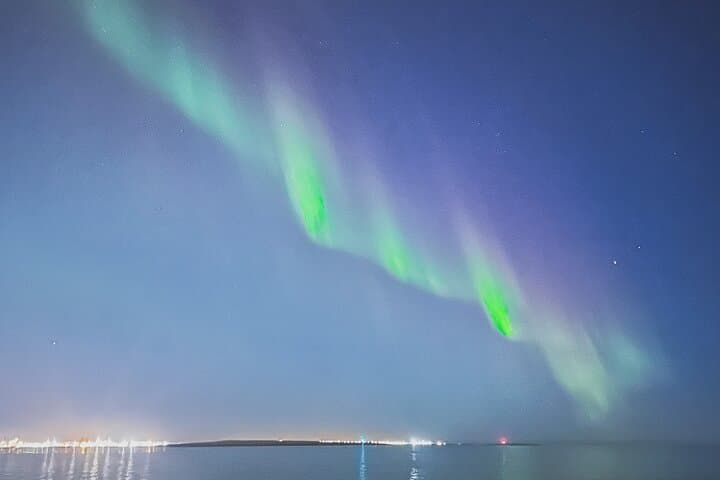
The road out of Reykjavik shrinks the city into a line of sodium lights and then into nothing at all—just the low, patient hum of the engine and the sky, enormous and waiting. Your guide eases the van onto the shoulder and switches off the engine. The silence is immediate and full: the kind of dark that makes your pupils vibrate and the stars feel unexpectedly close. You set down a thermos handed to you—hot chocolate or coffee, steam in the cold—and the guide gestures toward the horizon. There, in the black, a pale green band unfurls, slow and deliberate, like someone pulling a ribbon across the sky. The aurora dares you to look away.
This private Northern Lights tour is less a checklist and more a choreography between weather, light, and patience. For 3 to 5 hours your guide drives the quieter country roads around the Capital Region, chasing clear skies and low light pollution. Because the tour is private, it avoids the bus-filled hotspots—there’s a different kind of permission in being alone under the lights, a permission that lets you stand and watch rather than pose.
Iceland’s pull for aurora chasers is both obvious and geological. Sitting under 64 degrees north, the island lives under the auroral oval: an ever-shifting ring of activity seeded by the Sun. Solar particles stream along Earth’s magnetic field lines and collide with atmospheric gases; oxygen gives green and red hues, nitrogen blues and purples. The same volcanic forces that built this island—rifting mantle, glacier-scarred volcanoes, jagged black sands—have a way of making the sky feel like part of the landscape rather than something separate. In local folklore, the lights were omens and spirits; today, Icelanders tell stories with the same reverent cadence but with more science. Guides on these tours weave both threads: the mythic and the meteorological.
A private tour shifts the odds in your favor. Wind, cloud cover, moon phase, and solar activity are all variables; a guide scans the forecast and the sky with equal attention and moves you to vantage points where the horizon is clean and the ambient light minimal. On top of that, guides commonly double as photographers: this tour includes a tripod and a high-quality camera for long-exposure portraits beneath the aurora, so you don’t have to choose between watching the sky and capturing it.
Why book the private option? For photographers it’s a practical answer—control of composition and time, less chance of stray headlamps ruining a long exposure. For couples and small groups it’s emotional: the space to breathe, to let the lights perform without the chatter of tour buses. The price reflects that intimacy—the tour starts from about $1,200 USD—but it bundles expertise, transport, and equipment, which for many travelers is worth the premium.
Practicalities are simple but essential. The tour runs roughly 180–300 minutes, usually beginning in the evening around 9pm and stretching into the small hours depending on activity. Dress for wind and temperature: Arctic nights are surprisingly sharp, even when you’re moving between warmed van stops. Bring layers, a warm hat, gloves, and insulated footwear. The guide provides warm drinks and often a local anecdote or two—stories about Viking sagas, about how fishermen used to read the lights, about the science that now maps them.
Photography tips matter here more than in most landscapes. For aurora you want a wide lens (14–35mm), a stable tripod, and a camera that can handle high ISOs. A starting exposure range is f/2.8, ISO 800–3200, and shutter speeds between 5 and 20 seconds; faster auroras call for shorter exposures to preserve the structure. If the guide is setting up photos for you, ask how the image will be delivered and whether you can try manual settings yourself—this is often the best way to learn.
There are a few rhythms to accept: long stretches of patient sky-watching interrupted by sudden, almost feral bursts of light; the way the aurora seems to breathe and then lunge. Night drives are part logistics and part observatory: the guide times stops for clear horizons and minimal road glare. Expect cell service to fade as you move away from the city; that’s part of the appeal—being off-grid with someone who knows the roads and the rules.
A good guide will also be a steward. Off-road driving, headlights on private pastures, and campfires near fragile tundra are all avoidable if the group keeps to the plan. The best tours leave the landscape as they found it and, when possible, support local businesses—inns, cafes, or small breweries—so the quiet economy around Reykjavik stays alive.
If you go, aim for the shoulder months—late September to early April—when nights are long and the skies are often clear. March is frequently recommended: the nights are still dark enough, the temperatures marginally kinder, and the auroras active. And remember that the lights don’t owe anyone a show; they come on their own timetable. The reward is as much in the waiting—the communal hush, the sky’s sudden generosity—as it is in the photos.
This tour is for people who come to Iceland for more than glaciers and geysers. It’s for anyone who wants to stand under cold air and watch the sky move with a kind of deliberate, alien grace. It’s for photographers who want technical guidance and for travelers who want a private, quiet night out of the city. And it’s for those who, when the green curtains draw across the stars, feel that old, uncomplicated joy of being small in a very big world.
Trail wisdom
Small choices, better day.
Dress in layers
Temperatures drop quickly at night—base layer, insulating mid-layer, windproof outer shell, plus hat and gloves.
Bring a tripod or use the guide’s setup
Long exposures are essential for aurora photography; a sturdy tripod prevents blur during 5–20 second shots.
Keep batteries warm
Cold drains camera and phone batteries—store spares in inner pockets to preserve charge.
Trust the guide’s timing
Guides scan forecasts and move to clear skies—follow their advice on stops and safety.
Local knowledge
Read the place, not just the route.
Watch for native species including Arctic fox (rare, in remote areas), Seabirds along the coast.
Keep an eye out for wildlife during the transition between areas and habitats. Respect distance guidelines.
Respect private farmland and fragile tundra by staying on designated roads and viewpoints; minimize light pollution and pack out all waste.
Follow the guide's instructions on size limits, ethical handling, and leave-no-trace practices.
Tjörnin lake in Reykjavík for reflective city-sky shots. Small coastal pullouts west of the city with black-sand foregrounds
Locally recommended viewpoints and quiet spots known best to local operators.
Icelandic sagas and folklore include references to the lights; historically they were read as omens and woven into local storytelling.
Maritime roots and regional tradition shape the waterways and working coasts.
Seasonal guide
Four versions of the same landscape.
Spring
Best forLonger nights through March · Milder temperatures
ChallengesUnpredictable weather · Transitional daylight hours
Late winter into early spring offers strong auroral activity and slightly warmer nights—expect variable cloud and brightening dawns.
Summer
Best forMidnight sun photography (not aurora) · Extended outdoor evenings
ChallengesToo much daylight for aurora · Limited viewing window
Icelandic summers are spectacular but too bright for reliable Northern Lights; tours typically do not run for aurora in June–July.
Fall
Best forClear skies in September–October · Lower tourist density
ChallengesChanging weather · Earlier nightfall required
Autumn brings darker nights and frequent clear spells—an excellent time for aurora hunting as long as you’re prepared for brisk weather.
Winter
Best forPeak aurora season (Nov–Mar) · Snow-dusted landscapes enhancing photos
ChallengesCold temperatures · Occasional road closures in storms
Winter offers the most consistent aurora opportunities, but plan for cold and the possibility of itinerary shifts during storms.
Operator details
What the booking data adds.
Included
- ✓Private transportation
- ✓Bottled water
- ✓Air-conditioned vehicle
- ✓Coffee and/or Tea
Not included
- —Meals
Good to know
- ✓Infants and small children can ride in a pram or stroller
- ✓Service animals allowed
- ✓Public transportation options are available nearby
- ✓Suitable for all physical fitness levels
Pack with intention
What to bring.
Good to know
Common questions.
The private Northern Lights tour runs approximately 180–300 minutes (3–5 hours), depending on conditions and aurora activity.
Plan the edges
The details that make the day easier.
Auroras are caused by charged particles from the Sun interacting with Earth’s magnetic field and atmosphere; oxygen emits green and red light at different altitudes, which explains the aurora’s colors.
After a night under the lights, warm up in Reykjavík: grab a fresh loaf from Brauð & Co, try a classic hot dog at Bæjarins Beztu Pylsur, or settle into Matur og Drykkur for Icelandic seafood and stories from the staff.
- Closest airport
- Keflavik International (KEF). Driving distance to Reykjavík: ~50 km. Typical drive from Reykjavík to viewing areas: 30–90 minutes. Cell service: reliable near town, intermittent in rural pullouts. Permits: none required for public viewpoints.
Minimize light pollution by using headlamps with red filters and avoid driving off marked roads; support local guides who follow Leave No Trace principles.
Explore by topic
Follow the threads.
Keep exploring
Make the story part of the trip.
In four hours you can move from shaded canyon ferns to wind-scoured coastal ridgelines, guided by someone who knows where the light—and the hidden views—live. This private half-day hike on the Monterey Peninsula or Big Sur is compact, curated, and perfect for travelers who want depth without a multiday commitment.
 Related story
Beneath a sky of shifting light, Skaftafell’s ice reads like a map of time. This three-hour guided glacier hike mixes technical instruction with geology and culture: compact, safe, and unforgettable.
 Related story
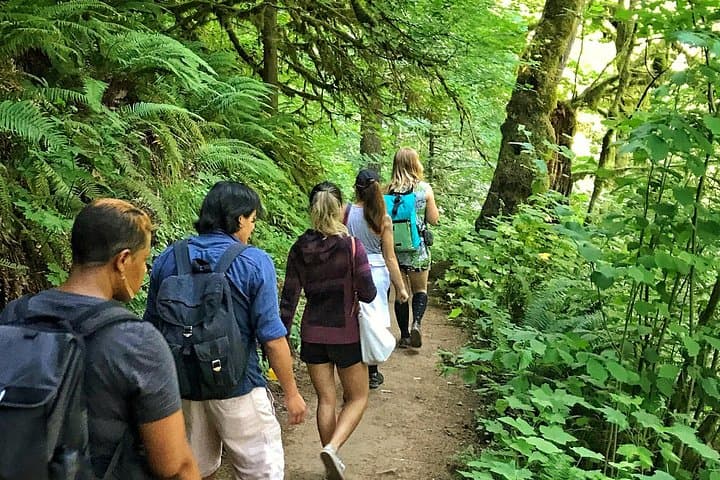
Lose the city for a few hours without leaving it: this 5-mile, 900-foot-gain Forest Park loop threads old-growth pockets, city viewpoints, and cultural landmarks for a compact taste of Portland’s wild side. Expect moss, roots, and stories.