
What the day feels like
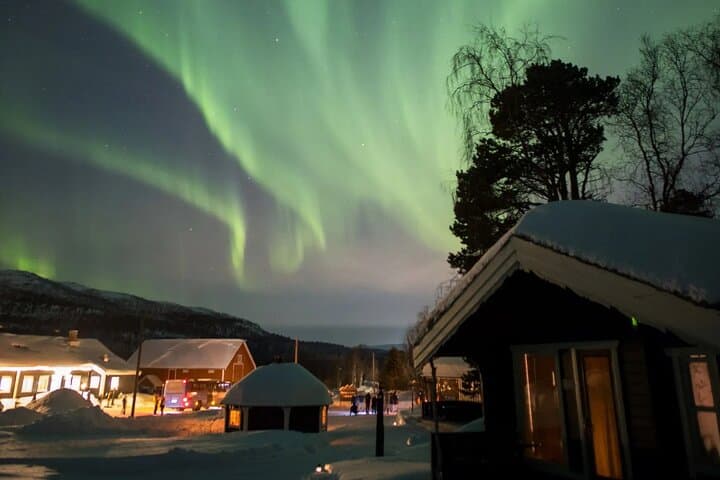
The first time the sky did it, I thought someone had pulled a silk sheet across the heavens. It unfurled slow and deliberate—ribbons of green washed with pale violet—bending and folding like breath over the ridgelines. The lodge behind us hummed low; the wilderness ahead held its hush. Out here in the Gargia Valley, you stand in a bowl of Arctic air and the aurora feels less like a distant show than an invitation.
Alta sits high above the Arctic Circle in northern Norway, an honest, small town with a long history of people reading the sky and the land. For thousands of years, coastal and inland communities—now represented here by Sámi culture and modern Norwegians—have measured seasons by light. The Northern Lights camp trades on that ancestral knowledge and on one of the region’s most persuasive sales pitches: clear winter nights and relatively stable inland weather that favors aurora viewings.
The geology around Alta is simple and severe. Scrubby birch gives way to tundra and wind-sculpted ridges; rivers cut through the valley, daring you to follow their fingers inland. Under the snow, bedrock tells a slow story—millions of years of uplift and cold—so the landscape reads as minimal, functional, and honest. When the lights come, the spare palette of land and sky takes on a strange intimacy; shadows sharpen and the world seems to rearrange itself to show you what matters.
Sámi presence threads through this place: reindeer herding is both livelihood and melody in local culture, and the Alta region holds rock carvings from thousands of years ago that speak to early human connection with coastal and riverine life. Modern services here lean into those roots—guides often share Sámi stories and explain the local ecology as part of the evening. The camp’s format is straightforward: a briefing on safety and aurora behavior, an option to try snowshoes if you want to wander farther into the valley, and time to sit—quietly or sociably—beneath the spectacle.
If you’re coming for drama, the logistics support it without fuss. The experience runs roughly four hours, usually starting after dinner when the light is gone and the probability of aurora activity climbs. You’ll be taught how to layer for Arctic cold and how to move quietly. Guides bring hot drinks and regional stories; they understand wind and cloud, and they’ll point to likely sky corridors like someone reading tides. Snowshoes are optional but useful if sidetrips into deeper snow appeal to you; otherwise, the lodge and immediate viewing areas are accessible and deliberately chosen for minimal light pollution.
Practicalities matter as much as poetry. The best nights are clear and cold—not dramatic windstorms—because clouds, even thin ones, can mute the Aurora’s color. Bring a tripod and a camera with manual settings if you want images that match what your eyes remember: long exposures and a stable base are the difference between blur and a memory you can hang on a wall. Footwear should be insulated, waterproof, and grippy; the valley packs hard into rime and ice underfoot once temperatures dip.
There’s a level of communal patience required. Northern Lights viewing is not guaranteed—the sky is an unpredictable partner—but the camp boosts your odds with local knowledge of weather windows, microclimates inside the valley, and timing. Guides talk about KP index readings and cloud breaks, but they also emphasize the small rewards: the hush before a surge, the way a single green arc can travel and then explode into sheets.
For a traveler, this is short, concentrated wilderness: four hours that teach you how to tune your eyes, how to listen to the cold, and how to interpret a sky that moves. It’s suitable for curious hikers with modest winter experience, families who can handle cold nights, and photographers chasing the perfect band of green. The experience pairs well with daytime Alta activities—museum visits to the Hjemmeluft rock carvings, short fjord drives, or a sleigh ride on reindeer country—making it an excellent placemark on a multi-day Arctic itinerary.
What you won’t get here is luxury hotel predictability or the false promise of guaranteed lights. Instead you get crisp logistics, a warm briefing, hot drinks, and a clear-eyed guide who knows the valley. The reward is both spectacle and quiet: the aurora’s grand visuality and the restorative stillness that comes from standing small under a vast, moving sky.
If you go, pace your expectations and pack accordingly. Plan for evenings, not nights of continuous spectacle. Bring patience, and carry the simple joy of being present—because moments of pure, slow wonder don’t always obey schedules. If the sky answers, it will do so with its own rhythm.
Trail wisdom
Small choices, better day.
Dress in layers
Start with a moisture-wicking base, add insulating mid-layers, and finish with a windproof shell—temperatures can drop quickly once you stop moving.
Bring a tripod
Long-exposure photography is the only way to capture aurora colors; steady your camera for 5–30 second exposures.
Use hand warmers
Small chemical warmers in pockets and gloves extend comfort during long, still viewing periods.
Try the snowshoes
If you’re able, a short snowshoe sidetrip opens darker view corridors and gives the aurora more space to reveal itself.
Local knowledge
Read the place, not just the route.
Watch for native species including Reindeer, Arctic fox (rare sightings).
Keep an eye out for wildlife during the transition between areas and habitats. Respect distance guidelines.
The fragile Arctic tundra is slow to recover from trampling—stay on established tracks, pack out waste, and support local guides who follow low-impact practices.
Follow the guide's instructions on size limits, ethical handling, and leave-no-trace practices.
Short daytime visit to the Alta Museum and the Hjemmeluft rock carvings. A quick detour to Sorrisniva for a stroll near the river and, in winter, the ice hotel area
Locally recommended viewpoints and quiet spots known best to local operators.
Alta’s environs hold rock carvings dating from roughly 4200–500 BCE and a long Sámi cultural presence tied to reindeer herding and riverine resources.
Maritime roots and regional tradition shape the waterways and working coasts.
Seasonal guide
Four versions of the same landscape.
Spring
Best forLate-night aurora chances · Fewer tourists · Milder winter temps
ChallengesVariable weather · Melting snow can be wet · Shorter nights over the season
Late winter into early spring keeps cold nights for auroras while temperatures begin to mellow—expect thawing snow and longer daylight windows.
Summer
Best forMidnight sun activities · Hiking and fjord trips
ChallengesNo aurora due to continuous daylight · Different focus from winter tourism
Alta’s summer is for daylight exploration—this camp runs in winter months; summers are unsuitable for aurora watching.
Fall
Best forAurora season kickoff · Autumn colors in lowland birch · Cool, clear nights
ChallengesUnpredictable early-season snow · Short daylight for travel logistics
Autumn brings increasing aurora opportunities and colorful tundra—arrive prepared for rapid weather shifts as winter approaches.
Winter
Best forPrime aurora viewing · Snowshoeing and winter camping · Arctic photography
ChallengesExtreme cold on some nights · Limited daylight for other activities · Potential travel delays due to snow
Winter is the optimal season for this camp—long nights, stable inland skies, and a landscape ready for snowshoeing and aurora hunts.
Operator details
What the booking data adds.
Included
- ✓Snacks
- ✓Dinner
- ✓Warm Clothes
- ✓Tripod
- ✓Coffee and/or Tea
Good to know
- ✓Infants and small children can ride in a pram or stroller
- ✓Service animals allowed
- ✓Specialized infant seats are available
- ✓Suitable for all physical fitness levels
Pack with intention
What to bring.
Good to know
Common questions.
No—aurora is a natural phenomenon and cannot be guaranteed. The camp uses local weather knowledge and timing to maximize odds, but clear skies and solar activity are required.
Plan the edges
The details that make the day easier.
The Alta region is home to ancient rock carvings at Hjemmeluft that date from roughly 4200–500 BCE and are interpreted at the Alta Museum, reflecting millennia of human connection to this northern landscape.
After a night in the valley, warm up with a stew of reindeer (bidos) or locally sourced fish at a town restaurant, or stop by Sorrisniva for a hot drink; conversations with guides often include Sámi stories—ask about local food and cultural sites to connect the night’s spectacle to daily life.
- trailhead
- Alta Airport (ALF). Driving distance from Alta: 30–60 minutes depending on meeting point. Cell service: limited in the valley—expect intermittent coverage. Permits
- passes
- none required for guided camp; respect local reindeer grazing areas and private land signs.
The Alta wilderness is ecologically sensitive—choose operators who practice leave-no-trace, avoid disturbing wildlife (especially reindeer pastures), and minimize light pollution by using red lights when needed.
Explore by topic
Follow the threads.
Keep exploring
Make the story part of the trip.
Set out from Bass Harbor for a private, customizable day on Blue Hill Bay — lighthouses, puffins, seals, and the chance to feel Acadia from the water. Small groups, local captains, unforgettable views.
In four hours you can move from shaded canyon ferns to wind-scoured coastal ridgelines, guided by someone who knows where the light—and the hidden views—live. This private half-day hike on the Monterey Peninsula or Big Sur is compact, curated, and perfect for travelers who want depth without a multiday commitment.
 Related story
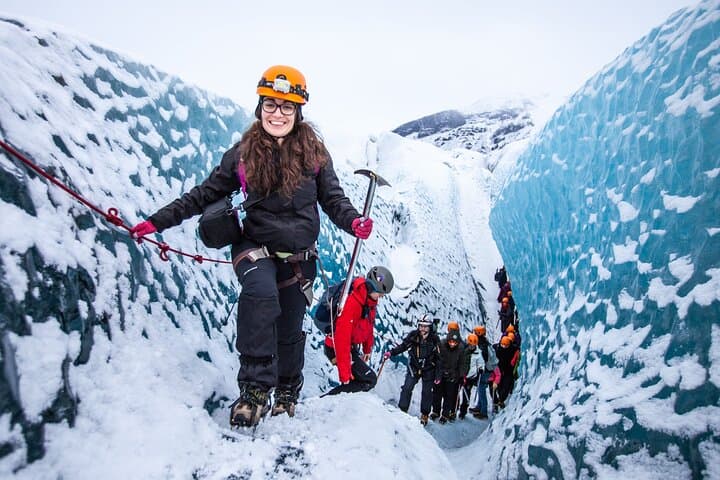
Beneath a sky of shifting light, Skaftafell’s ice reads like a map of time. This three-hour guided glacier hike mixes technical instruction with geology and culture: compact, safe, and unforgettable.