
What the day feels like
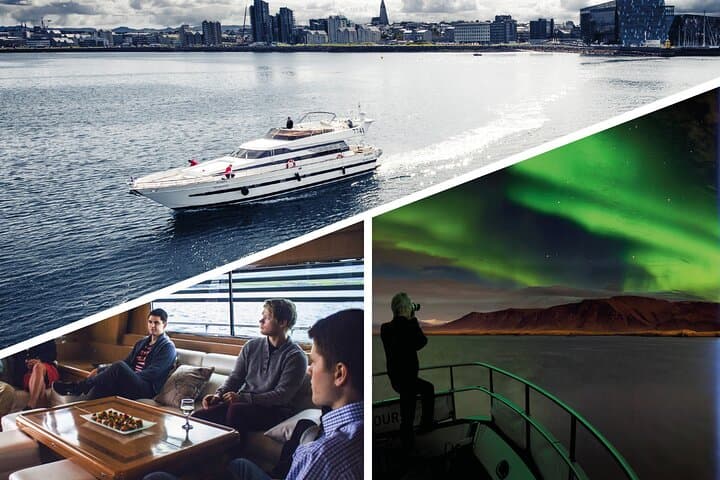
The city lights of Reykjavík fall away like a low burnt orange ribbon as the yacht slips from the Old Harbour. Inside, the cabin is warm, coffee breathes out of a steaming urn, and the crew moves with quiet purpose—checking instruments, scanning the black, and pointing out the low-cut of the horizon where ocean and aurora meet. On deck the air is bracing, each breath sharp enough to wake you. Then the sky shifts: a pale smear becomes a ribbon, the ribbon folds, and the aurora leans over the sea like a green curtain daring you to follow it. This is the small, intimate magic of a Northern Lights yacht cruise from Reykjavík, an experience that balances the hush of remoteness with the safety and comfort of a well-run vessel.
The trip centers on the Harpa yacht—named after Reykjavík’s glass-faced Harpa concert hall—and on nights with higher demand the larger Amelia Rose may be used. Both craft prioritize a low passenger count, warm interiors, and open decks for viewing. As you cruise along the coastline, the itinerary often skirts landmarks like the Imagine Peace tower on Viðey island—Yoko Ono’s luminous tribute to John Lennon, which punctuates the skyline with a vertical beam when lit. Local crews read the skies and the forecasted auroral activity, moving out into the bay to chase clearer horizons if needed; if the lights elude you on the allotted night, the operator’s rebooking policy often offers a free return, a practical promise you’ll want.
Geology and geography conspire in Iceland to produce dramatic auroras. Iceland sits beneath the auroral oval—the ring-like zone over Earth’s poles where charged solar particles collide with the atmosphere—so the display can bloom in a range of shapes and intensities. Reykjavík’s coastal position also has practical advantages: the heat-retaining ocean reduces fog and the horizon over water gives a clean, unobstructed frame for the lights. Culturally, Reykjavík treats the aurora as both spectacle and quiet ritual; locals factor the lights into winter social life—an invitation to step outdoors, layer up, and look up.
Why choose a yacht? A harbor departure removes the slog of driving on icy roads and gives photographers a dark foreground and open horizon—especially useful for long-exposure shots. The onboard café and bar, plus blankets and heated spaces, make it accessible to families and travelers who want comfort paired with adventure. With trips typically lasting 2–3 hours, this is an attainable night out: long enough to let the sky perform, short enough to keep the rhythm of a Reykjavík night.
Practicalities matter. The cruise runs nightly through the aurora season (generally September through April) with variable durations around 120–180 minutes and fares starting near $100 USD. The Old Harbour is a five- to ten-minute walk from downtown Reykjavik hotels; Keflavík International Airport is roughly a 45-minute drive. Bookings often confirm instantly and most tours allow flexible rebooking if the aurora doesn’t cooperate—confirm that policy when you reserve. Onboard staff are experienced at helping guests with camera settings and where to stand; don’t be shy about asking.
What to expect on deck: sudden cold snaps, wind that scours the face, and a sky that can go from dark to ricocheting color with little warning. Dress in windproof layers, bring a warm hat and gloves, and carry hand warmers if you know you get cold. Hydration is still important—cold air dries you out—and the gentle motion of the boat means steady footing matters: choose footwear with good tread.
Photography-wise, a tripod and a camera that allows manual exposure will get you the best results—think exposures of 5–15 seconds depending on the aurora’s intensity. If you only have a phone, try night-mode or an app that controls exposure and ISO. The crew will often point out the darkest part of the bay and help stabilize cameras on railings when possible.
Beyond the lights, the cruise is a tidy lens into Reykjavík’s maritime identity. The harbour was once a working strip of fish-processing sheds and pick-up points; today it’s a mix of restaurants, galleries, and tour berths where the modern Icelandic tourism economy meets island geology and folklore. After the cruise, a short walk back into town will reveal late-night fish stews, coffee houses, and small bars where locals swap notes about weather and road conditions—practical intel for continuing your aurora chase.
For would-be chasers, timing is everything. Aim for nights with clear skies and moderate geomagnetic activity. Avoid full-moon nights if your priority is dark-sky contrast. And if the aurora is stubborn, remember the operator’s promise: a free return trip can be your insurance policy.
In short: a Northern Lights yacht cruise from Reykjavík is a practical, low-fuss way to bring you close to one of nature’s most theatrical displays. It leverages the sea to widen your horizon, the cozy comforts of a small vessel to keep you comfortable, and local expertise to maximize sighting chances. Whether you’re a photographer aiming for layered light on a black sea or a traveler simply eager to watch the sky move, the trip is a tidy package—simple to book, sociable, and quietly unforgettable. Reserve a spot, layer up, and let the ocean and sky do the rest. For booking and local expert details visit <a href='https://app.advcollective.com/local-experts/northern-lights-yacht-cruise-from-reykjavik-harpa-aurora-evening-sail'>Northern Lights yacht cruise</a> from Reykjavík. For more on the Harpa vessel and rebooking policies check the local listing <a href='https://app.advcollective.com/local-experts/northern-lights-yacht-cruise-from-reykjavik-harpa-aurora-evening-sail'>Harpa yacht Aurora evening sail</a>.
Trail wisdom
Small choices, better day.
Dress in windproof layers
Wind off the bay steals heat quickly; an insulated wind shell over a fleece keeps you comfortable on deck.
Bring a small tripod
A compact tripod makes long-exposure aurora shots steady and sharp—ask the crew where to set up safely.
Arrive early to choose your spot
Boarding early gives you first pick of rail space and easier access to the crew for photography help.
Use hand warmers and a hot drink
Small chemical warmers and a hot beverage extend your comfort window and keep fingers nimble for camera controls.
Local knowledge
Read the place, not just the route.
Watch for native species including Harbour seals, Sea birds (Arctic terns, puffins in summer).
Keep an eye out for wildlife during the transition between areas and habitats. Respect distance guidelines.
Operators encourage minimal light and noise when near wildlife; please follow the crew's guidance to reduce disturbance to seabirds and seals.
Follow the guide's instructions on size limits, ethical handling, and leave-no-trace practices.
Viðey Island shorelines for daytime birdwatching. The Old Harbour’s tiny maritime museum and local fish stalls
Locally recommended viewpoints and quiet spots known best to local operators.
Reykjavík’s harbor evolved from a working fishing port into a cultural hub; Harpa, the glass concert hall, has become the visual gateway and lends its name to the primary yacht.
Maritime roots and regional tradition shape the waterways and working coasts.
Seasonal guide
Four versions of the same landscape.
Spring
Best forShoulder-season aurora chances · Longer daylight for combined sightseeing
ChallengesUnpredictable weather · Variable sea conditions
Early spring (March–April) can offer strong aurora activity with slightly milder temperatures, but weather can swing quickly.
Summer
Best forMidnight sun experiences · Coastal day activities
ChallengesAurora largely absent due to daylight · Crowded tourist season
Summer has extended daylight, making aurora cruises ineffective; focus on coastal daylight tours instead.
Fall
Best forEmerging auroras (Sept–Oct) · Crisper skies after summer
ChallengesShortening days and variable storms · Sea conditions may be rougher
Autumn offers the start of aurora season with increasingly reliable darkness, though weather becomes more unsettled.
Winter
Best forPeak aurora season (Nov–Mar) · Dark skies and strong displays
ChallengesCold, icy decks · Potential for cancellations due to storms
Winter is the prime aurora season; dress for cold and expect the possibility of itinerary changes due to weather.
Operator details
What the booking data adds.
Included
- ✓Comfortable inside area
- ✓Bar / Café on board
- ✓WiFi on board
- ✓Restroom on board
- ✓Spacious viewing decks
Good to know
- ✓Service animals allowed
- ✓Public transportation options are available nearby
- ✓Suitable for all physical fitness levels
Pack with intention
What to bring.
Good to know
Common questions.
Cruises typically run 120–180 minutes depending on conditions and the operator’s chosen route.
Plan the edges
The details that make the day easier.
The Imagine Peace Tower on Viðey island is a light installation by Yoko Ono dedicated to John Lennon and is lit annually between October 9 and December 8, and often on special dates—serving as a luminous landmark visible from Reykjavik’s harbor.
After the cruise, warm up with Icelandic seafood at Fiskmarkaðurinn or grab a hot dog from Bæjarins Beztu Pylsur; for a local pint, head to Skúli Craft Bar. Reykjavík’s compact center makes it easy to trade aurora stories over dinner.
- Closest airport
- Keflavík International Airport (KEF); Departure: Old Harbour
- Harpa Concert Hall, central Reykjavík; Driving from airport
- ≈45 minutes (47 km); Cell service: Good in and near Reykjavík, variable when offshore; Permits: None—ticket required; Rebooking: Many operators offer free return if no lights.
Respect wildlife by minimizing light and noise; avoid using flash near seabird colonies, and follow crew instructions to reduce disturbance to seals and shore habitats.
Explore by topic
Follow the threads.
Keep exploring
Make the story part of the trip.
Set out from Bass Harbor for a private, customizable day on Blue Hill Bay — lighthouses, puffins, seals, and the chance to feel Acadia from the water. Small groups, local captains, unforgettable views.
In four hours you can move from shaded canyon ferns to wind-scoured coastal ridgelines, guided by someone who knows where the light—and the hidden views—live. This private half-day hike on the Monterey Peninsula or Big Sur is compact, curated, and perfect for travelers who want depth without a multiday commitment.
 Related story
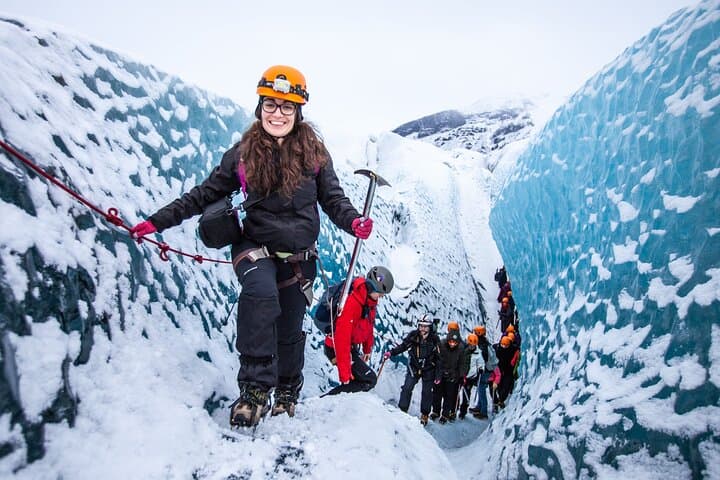
Beneath a sky of shifting light, Skaftafell’s ice reads like a map of time. This three-hour guided glacier hike mixes technical instruction with geology and culture: compact, safe, and unforgettable.