
What the day feels like
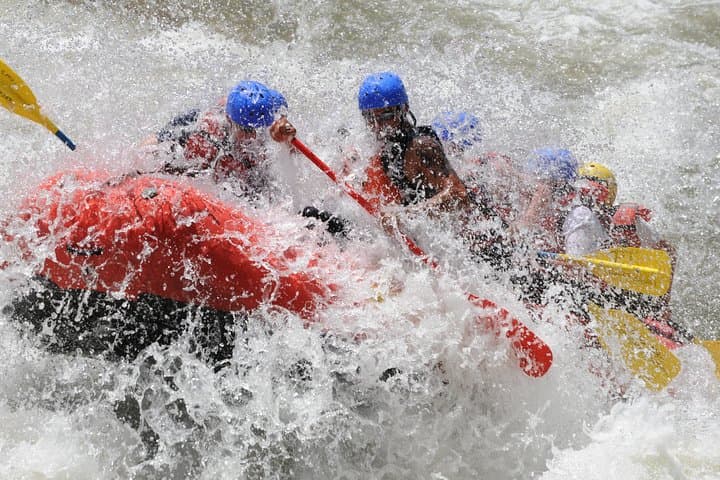
The raft shimmies forward and the river seems to grin. For a moment the Arkansas River is a ribbon of glass between the canyon walls—then it knows better and throws itself against the rocks, dragging you along in a spray that tastes like cold mountain air. The Royal Gorge is immediate: a vertical theater of red and gray stone, a 1,100-foot drop that pins the sky above the river. You feel small, solid and electric all at once. This is not a polite float; it’s a full-day commitment to raw current and canyon geometry, ending with the sight of a suspension bridge so high you can barely make out the tiny vehicles crossing it.
Rafting the Royal Gorge is equal parts geology lesson and adrenaline sport. The gorge itself is the work of the Arkansas River carving into uplifted granite and metamorphic rock over millions of years, leaving a narrow throat framed by sheer cliffs. The world-famous Royal Gorge Bridge, suspended across that void, was built in the 1920s and for decades claimed the title of the highest suspension bridge on Earth. Below, the river has no such claims to modesty: it runs a compact but relentless corridor of Class IV–V rapids that demand quick reactions and constant attention. The trip described here is a six-hour, full-day run operated by professional outfitters from Cañon City, Colorado, taking you through the narrowest, wildest sections of the Arkansas River where the water funnels and the waves grow teeth.
Beyond the whitewater, the place holds human stories. The gorge has supported Native American travel routes, miners and railroads that once threaded the rim, and modern conservation debates around access and recreation. The Royal Gorge Route Railroad still traces the rim on vintage tracks, offering a more sedate perspective; together, these layers of history make a day on the river feel like a passage through time as much as through water.
Why do people come? For the sequence of experiences: the crisp click of gear during a morning safety talk, the first drop where the raft rotates as a wave finds your stern, the stretch of quiet canyon where only birds interrupt the noise, then a final chorus of ledges and hydraulics that force everyone into focus. It’s scenic where the gorge opens and brutal where it contracts. The guides are part test pilots, part storytellers—calling commands, reading currents, and pointing out niche ecological notes like cliff-nesting raptors and lichen patterns that mark waterlines.
If you want to book this as your first big rafting day, expect a workout that’s more cardio and coordination than raw strength. You’ll be on the raft continuously, paddling hard in the big rapids and relaxing in the calm pools. The operator provides dry bags, helmets, PFDs, and wetsuits or splash gear depending on conditions, but your personal comfort comes down to preparation: layered, quick-drying clothing; secure river shoes; and sunscreen tucked away from spray.
Practicalities matter here. The full-day trip is about six hours from meet to return; river mileage varies by section but plan for most of a daylight day. Water levels drive difficulty—spring snowmelt ramps things up into the high-adrenaline Class V range, while late summer low-water can expose ledges and require precise maneuvering. The canyon’s walls mean cell service is patchy; plan logistics with your guide to avoid missed pickups. The best time to run this gorge is in the summer months for stable weather and warm air, though mornings can still be cool at river level.
Safety is the professional’s domain but your preparedness helps. Hydrate before you arrive, eat a solid breakfast, and be honest about your swimming comfort. Bring a small, secure camera or a waterproof phone case if you want river photos—operators sometimes offer professional photos, but those candid raft-side frames are worth the extra thought.
For the traveler who wants more than the thrill, pair the day on the river with local culture: Cañon City’s small downtown has breweries and diners to decompress in, and the Royal Gorge Route Railroad, museums, and nearby hiking trails can fill a second day. The gorge’s combination of geology, history, and high-stakes river running makes the Royal Gorge Full Day Trip both a precise achievement for the adrenaline-seeker and an elemental encounter for anyone who wants to feel the scale of Colorado’s rivers and canyons.
In short: expect intensity, beauty, and a river that keeps its own pace. The Royal Gorge doesn’t apologize for its force; it invites you to match it.
Length & Format Note: This is a full-day, fixed six-hour whitewater rafting experience operating out of Cañon City, Colorado. Outfitters provide basic safety gear and instruction, but personal preparation and proper footwear elevate comfort and safety on this classic Arkansas River run.
Trail wisdom
Small choices, better day.
Secure footwear
Wear closed-toe river shoes with good tread; flip-flops will come off in rapids and compromise stability.
Hydrate early
Drink water before you arrive—cold river spray masks dehydration, and you’ll expend more energy than you expect.
Layer smart
Bring quick-drying base layers and a lightweight insulating layer for morning check-ins and post-run chills.
Listen to your guide
Commands are precise for speed and safety; follow seating, paddling and rescue instructions without hesitation.
Local knowledge
Read the place, not just the route.
Watch for native species including Peregrine falcon, Mule deer.
Keep an eye out for wildlife during the transition between areas and habitats. Respect distance guidelines.
River outfitters follow Leave No Trace principles and local conservation efforts to minimize shoreline disturbance; stay on designated launch and takeout areas to protect riparian habitats.
Follow the guide's instructions on size limits, ethical handling, and leave-no-trace practices.
Take the Royal Gorge Route Railroad for a calm rim perspective after your run. Stop at local lookout points outside the main bridge park for uncrowded views and picnic spots
Locally recommended viewpoints and quiet spots known best to local operators.
The Royal Gorge bridge was completed in the 1920s and for decades held the record as the world’s highest suspension bridge, while the Arkansas River corridor has long been a transportation and mining route.
Maritime roots and regional tradition shape the waterways and working coasts.
Seasonal guide
Four versions of the same landscape.
Spring
Best forHigh-flow adrenaline · Spectacular snowmelt-fed rapids
ChallengesCold water temperatures · Higher risk Class V sections
Spring snowmelt creates big, powerful rapids—excellent for experienced paddlers but colder and more technical; expect wetsuits and a tougher day on the water.
Summer
Best forStable weather · Warmer water and air · Full-service outfitters
ChallengesHigher visitor numbers · Variable lower flows late in season
Summer is the optimal window for full-day runs: warmer air, predictable operations, and more comfortable temperatures, though late summer can drop water levels.
Fall
Best forCrisp air and fall colors · Smaller crowds
ChallengesCooler mornings · Shorter daylight hours
Fall offers quieter runs and striking canyon color; bring insulated layers for colder mornings and watch the changing daylight for trip timing.
Winter
Best forOff-season perspective · Lower traffic for other activities
ChallengesMost outfitters reduce or suspend runs · Very cold water and air
Winter river running in the Royal Gorge is generally limited—most operators don’t run full-day trips and conditions are harsh; plan alternative activities or return in warmer months.
Operator details
What the booking data adds.
Included
- ✓Professional guide
- ✓All necessary equipment
- ✓Lunch
Not included
- —Gratuities
- —Souvenir photos (available to purchase)
Good to know
- ✓Not recommended for travelers with spinal injuries
- ✓Not recommended for pregnant travelers
- ✓Not recommended for travelers with poor cardiovascular health
- ✓Travelers should have a high level of physical fitness
- ✓Minimum age is 16 years
- ✓Dress appropriately for changing weather conditions.
- ✓Participant must be able to swim.
Pack with intention
What to bring.
Good to know
Common questions.
The operator lists a fixed duration of about six hours from check-in to return; time on the water varies with river flow and logistics.
Plan the edges
The details that make the day easier.
The Royal Gorge Bridge spans approximately 1,100 feet above the Arkansas River and was long considered the highest suspension bridge in the world—built in the 1920s.
After the run, head into downtown Cañon City for cold local brews at Royal Gorge Brewing and a plate of Colorado comfort food—steak, chili or a hearty burger—to regain calories. If you have time, ride the Royal Gorge Route Railroad along the rim or visit a local museum to round out the regional story.
- Closest airport
- Colorado Springs (COS) ~70 miles; Driving from Cañon City to launch: typically 10–30 minutes depending on put-in; Cell service in the gorge: limited to none—coordinate meeting points with your outfitter; Permits: included with guided trips—no separate river permit required for booked runs.
The Arkansas River corridor relies on careful river management and recreation stewardship—pack out all trash, avoid disturbing riverbanks, and choose licensed outfitters who follow Leave No Trace and local conservation guidelines.
Explore by topic
Follow the threads.
Keep exploring
Make the story part of the trip.
Set out from Bass Harbor for a private, customizable day on Blue Hill Bay — lighthouses, puffins, seals, and the chance to feel Acadia from the water. Small groups, local captains, unforgettable views.
In four hours you can move from shaded canyon ferns to wind-scoured coastal ridgelines, guided by someone who knows where the light—and the hidden views—live. This private half-day hike on the Monterey Peninsula or Big Sur is compact, curated, and perfect for travelers who want depth without a multiday commitment.
 Related story
Beneath a sky of shifting light, Skaftafell’s ice reads like a map of time. This three-hour guided glacier hike mixes technical instruction with geology and culture: compact, safe, and unforgettable.