
What the day feels like
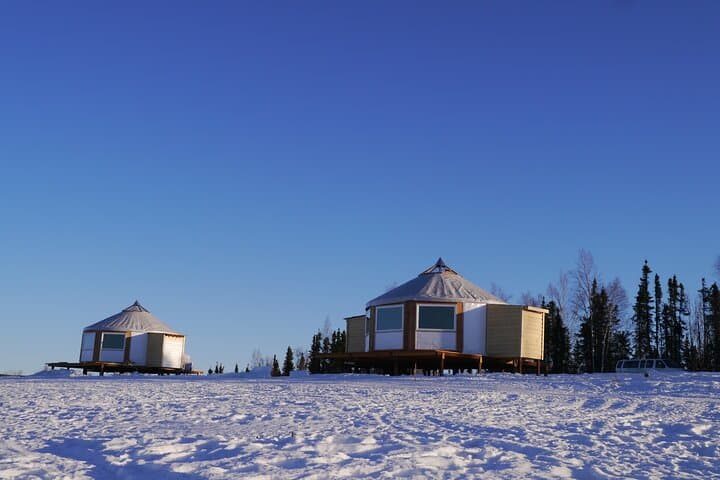
You step out of the bus and the cold hits like a clean, bright slap—not cruel, but honest. Snow underfoot makes a soft, muffled hush that turns every small sound into a private thing: the scrape of boots, a distant laugh, the rattle of camera gear. Above, the sky is cavernous and dark, but not empty—waves of pale green are busy arguing with the stars. The aurora is never polite; it pirouettes, stretches, and suddenly slams into a brilliant curtain that seems to descend close enough to touch. The lodge behind you glows like a warm promise, a place to warm fingers and swap frames, but the sky keeps daring you back out. That push-and-pull—comfort and cold, solitude and shared wonder—is the spine of a Northern Lights lodge night in Fairbanks. It’s simple, immediate, and quietly transformative.
Fairbanks sits snug beneath the auroral oval, the doughnut-shaped band of frequent geomagnetic activity that makes the region one of the most reliable places on Earth to see the Northern Lights. For decades, photographers, scientists, and travelers have converged on Alaska’s Interior not for manicured views, but for raw, unfiltered encounters with the sky. The geology of the region—wide, open basins and long, flat horizons—gives the aurora room to rage and the viewer room to watch. The local culture around Fairbanks is shaped by this skyward phenomenon: lodges offer late-night wake-up calls for active displays, tour guides interpret solar storms like weather forecasters, and the rhythm of a winter season is keyed to Aurora forecasts as much as snowfall totals.
A lodge viewing night is practical in its comforts and generous in its experience. You’ll spend roughly five hours centered around prime aurora time—dinner and a cozy common room, intermittent trips outside to watch the sky, and a guide’s ear for reading both the weather and the KP index (a scale for geomagnetic activity). The lodge’s glassed-in viewing rooms, heated decks, and warm drinks mean you don’t have to suffer the cold for great views—though most people choose to step into the night to get that jaw-dropping perspective of light rushing overhead. For photographers, that balance—temperature-controlled base and easy access to darkness—makes these lodge experiences invaluable. If you want a single, concentrated night with a high probability of seeing the aurora and some coaching on exposure settings, this is the way to do it.
There’s a quiet etiquette to aurora nights. Leave bright lights off, speak softly when others are trying to see or photograph the sky, and use red filters on flashlights to preserve night vision. Guides will time outings to cloud breaks and forecast upticks; they’ll encourage you to be patient—auroras run on their own timetable. The best nights often come after clear days and a sudden shift in geomagnetic activity. Dress like you expect to be outside for long stretches: layers, warm boots, and a windproof shell make a big difference. Bring a tripod and a camera that allows manual exposure control; a wide lens and a shutter speed between 5 and 20 seconds are often the starting point.
You can pair an aurora lodge night with other local experiences: soak in nearby hot springs, tour ice museums, or learn basics of winter photography from local pros. Many lodges work with local operators to provide warm shuttle service and informal astronomy talks, and some nights end in small groups comparing comet-worthy frames and sipping hot chocolate. If your appetite after a night beneath the northern sky is for more, Fairbanks is a small, gritty city with hearty restaurants and a friendly bar scene where you’ll hear the same question: “Did you see it?”
Practicalities matter here: fair warning about the cold, the need for predictable transportation, and the fact that auroras cannot be guaranteed—only maximized. Booking a lodge night is a way to tilt the odds in your favor while minimizing the misery of standing alone at the side of a road at 2 a.m. It’s about comfort and access, but also about framing the night as a human ritual: stepping into the dark and watching the sky move like a living thing.
If you’re planning to come, choose nights around new moons for darker skies, keep a flexible schedule for the best weather windows, and consider booking a guided night rather than striking out alone. The guides not only drive you to dark viewing spots, they interpret the sky—an extra layer of meaning that turns raw light into story.
To reserve a managed, comfortable way to see the aurora near Fairbanks, consider a curated lodge evening that combines local expertise, heated viewing, and opportunities to photograph the night: <a href="https://app.advcollective.com/local-experts/northern-lights-lodge-viewing-near-fairbanks-aurora-nights-at-a-remote-lodge">Northern Lights lodge viewing near Fairbanks</a>. Whether you’re a photographer chasing a once-in-a-lifetime frame or a traveler who wants one reliably magical night under an untamed sky, the lodge model is both practical and unforgettable. The aurora will do what it wants; your best job is to get comfortable, be patient, and, when the sky finally moves, be ready to step outside.
Trail wisdom
Small choices, better day.
Layer for long nights
Dress in moisture-wicking base layers, an insulating mid-layer, and a windproof outer shell—temperatures can drop dramatically after midnight.
Bring a tripod
Aurora photography requires long exposures; a stable tripod and a remote shutter release are essential for sharp images.
Use red light
Carry a headlamp with a red-light option to preserve night vision and avoid disturbing other viewers.
Stay flexible with plans
Cloud cover changes fast—book extra nights or choose lodges that offer multiple viewing windows to improve odds.
Local knowledge
Read the place, not just the route.
Watch for native species including Moose, Snowshoe hare.
Keep an eye out for wildlife during the transition between areas and habitats. Respect distance guidelines.
Lodges emphasize dark-sky etiquette and many limit exterior lighting; pack out waste, stay on designated paths, and avoid using bright lights during viewing.
Follow the guide's instructions on size limits, ethical handling, and leave-no-trace practices.
Chena Hot Springs for a post-aurora soak. Small local astronomy talks at Fairbanks visitor centers
Locally recommended viewpoints and quiet spots known best to local operators.
Fairbanks’ aurora tourism grew with scientific interest in geomagnetism and the development of winter lodges that catered to photographers and researchers.
Maritime roots and regional tradition shape the waterways and working coasts.
Seasonal guide
Four versions of the same landscape.
Spring
Best forLonger days and milder temps · Less extreme cold photography · Easier road access
ChallengesIncreasing daylight reduces viewing windows · Unpredictable melt and slushy roads
Early spring (March–April) still offers strong aurora activity with slightly warmer nights and improving road conditions—prime for photographers who dislike deep winter cold.
Summer
Best forMidnight sun experiences · Hiking and wildlife
ChallengesNo true darkness for aurora viewing · High demand for other summer activities
Summer in Fairbanks is spectacular for daylight activities, but the continuous twilight makes aurora viewing impractical.
Fall
Best forClear skies and extended darkness · Fewer crowds than peak winter · Good photography conditions
ChallengesEarly snow can make roads slick · Rapidly changing temperatures
Late fall (September–November) offers long nights and often clear skies—an excellent window for lodge-based aurora viewing before peak winter.
Winter
Best forHigh aurora probability · Classic snow-and-aurora scenes · Lodge comforts and night photography
ChallengesExtreme cold can damage gear and reduce battery life · Roads may be icy
Winter is the canonical season for aurora hunts: long, dark nights and frequent displays, but come prepared for severe cold and short daylight hours.
Operator details
What the booking data adds.
Included
- ✓Driver/guide
- ✓Live commentary on board
- ✓Hotel pickup and drop-off (selected hotels only)
Not included
- —Gratuities
Good to know
- ✓Suitable for all physical fitness levels
- ✓We require a minimum of 4 people to operate this tour. This rarely happens due to its popularity, but if minimums are not met, you will be advised and offered either a refund or to be rescheduled.
- ✓The Aurora Borealis (Northern Lights) is a natural phenomenon and cannot be guaranteed. Refunds will not be provided if the Aurora Borealis is not visible during the tour.
- ✓Children under 5 years old are not permitted.
Pack with intention
What to bring.
Good to know
Common questions.
Lodges near Fairbanks maximize your chances by operating in auroral country and timing outings with forecasts, but the aurora is a natural phenomenon and cannot be guaranteed.
Plan the edges
The details that make the day easier.
Fairbanks lies beneath the auroral oval, making it one of the most reliable populated places on Earth for frequent Northern Lights displays—this is a primary reason aurora tourism concentrates here.
After a night outdoors, head back to Fairbanks for local comfort food and craft beer—many travelers pair lodge nights with a soak at Chena Hot Springs Resort, or a riverfront meal at historic downtown restaurants.
- Closest airport
- Fairbanks International Airport (FAI)
- Driving distance
- typically 30–60 minutes from downtown Fairbanks depending on lodge location
- Cell service
- limited to spotty near remote lodges—expect reduced coverage
- Permits
- none typically required for lodge viewing nights
This experience occurs in sensitive dark-sky and winter habitats—avoid using bright lights, pack out waste, and follow lodge and guide instructions to minimize disturbance.
Explore by topic
Follow the threads.
Keep exploring
Make the story part of the trip.
Set out from Bass Harbor for a private, customizable day on Blue Hill Bay — lighthouses, puffins, seals, and the chance to feel Acadia from the water. Small groups, local captains, unforgettable views.
In four hours you can move from shaded canyon ferns to wind-scoured coastal ridgelines, guided by someone who knows where the light—and the hidden views—live. This private half-day hike on the Monterey Peninsula or Big Sur is compact, curated, and perfect for travelers who want depth without a multiday commitment.
 Related story
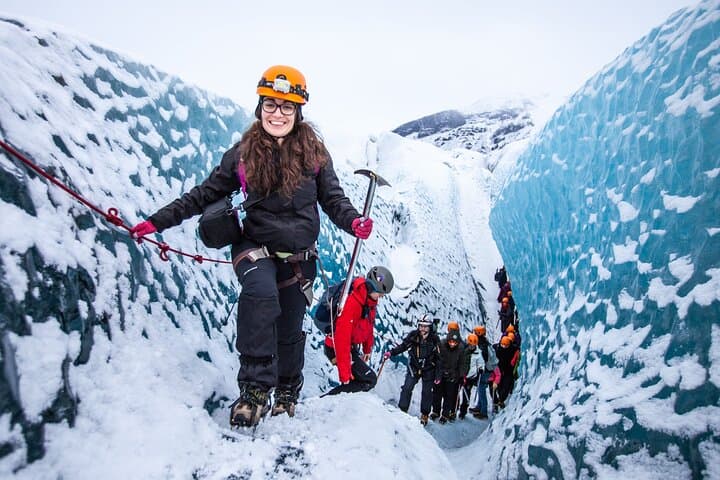
Beneath a sky of shifting light, Skaftafell’s ice reads like a map of time. This three-hour guided glacier hike mixes technical instruction with geology and culture: compact, safe, and unforgettable.