
What the day feels like
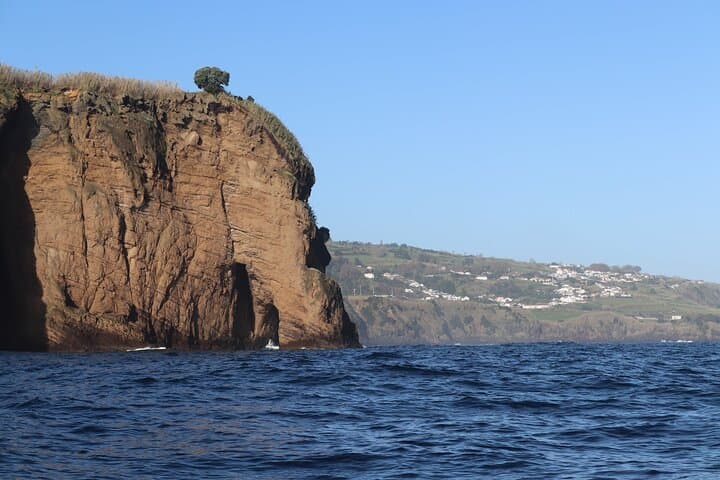
The boat dips, the island exhales. From the harbor of Rabo de Peixe the shoreline of São Miguel curls away in layers—black cliffs, green terraces, a scatter of white houses clinging to the Atlantic. For two hours you’re in a different element: the motor’s low thrum, spray on your face, and the coastline revealing itself like pages torn from a geology textbook. Ahead, a dark lump in the sea takes on the improbable shape of an elephant; a few minutes later, an arch frames a wash of blue like a window to nowhere.
This compact boat tour is the kind of trip that rewards curiosity. It’s not a marathon of endurance or a checklist of Instagram spots; it’s a concentrated lesson in how the Azores make their landscapes—marine erosion busy carving caverns, submarine eruptions building tuff cones, and centuries of coastal life stitched to a rhythm of fishing and (former) whaling. The itinerary moves deliberately: the village silhouette of Vila das Capelas, the gaping Buraco de São Pedro where waves pummel a coastal blowhole, and the Morro das Capelas, a tuff cone formed by violent interactions between magma and seawater. Between geological classroom moments you’ll pass arches and sea caves that feel as if someone has punched portals into the basalt.
There is also human history here. Capelas and Rabo de Peixe trace their character to the sea—fishing boats, salt-stiffened nets, and the memory of whaling, which shaped local economies and identities for generations. On this tour you’ll see markers of that past: small wharves and sites where, until the late 20th century, whaling crews launched into these same waters. Those days are over; the cultural imprint remains, now reframed for interpretation rather than industry.
Practicalities are crisp. The trip runs roughly two hours from embarkation in Rabo de Peixe, priced from about USD 70.50 per person. Expect a mid-length cruise along the north coast with at least one swim stop when sea state and conditions allow, and a close approach to rock arches and coastal caverns. If the sea is calm, guides often drift near the arches to let you take photos and peer into caverns that catch the light like polished stone; if it’s lively, you’ll stick to more sheltered viewing angles. For travelers short on time but hungry for coastal geology and a bracing Atlantic swim, this tour is a compact, high-impact option.
Safety and comfort are straightforward—bring layering for spray and wind, a pair of reef shoes if you plan to get in the water, and motion-sickness medication if you’re prone to it. Guides are experienced with local swell and currents; their priority is to get you close to the arches without putting the boat or swimmers at risk.
Why go? The tour compresses what makes São Miguel magnetic: the jagged interface of fire and water, local fishing culture, and a coastline that alternates between sheer basalt and softer tuff formations that erode into dramatic shapes. It’s also one of the easiest ways to access viewpoints that are either dangerous or impossible from land. For photographers, geologists, and anyone who likes a short, active outing on the water, it’s a superb fit.
If you want to book, learn more or reserve a spot on this North Coast option through the local operator here: https://app.advcollective.com/local-experts/north-coast-boat-tour-elephant-rock-capelas-arches-sao-miguel. The provider posts updated sea-condition info and suggests the best windows for swimming stops—check their notes before you go: https://app.advcollective.com/local-experts/north-coast-boat-tour-elephant-rock-capelas-arches-sao-miguel.
Timing matters. For calmer seas and warmer water, late summer and early fall are ideal; mornings tend to be glassier than afternoons when the trade winds pick up. If you have an eye on wildlife, keep your camera ready for seabirds and the occasional dolphin—these waters can be generous with sightings, and the closer you are to the arches, the better the angle.
In short: this is a short, carefully curated Atlantic coast experience that gives travelers a direct relationship with São Miguel’s geological story, a chance to swim under carved arches, and a glimpse into coastal life that’s both rustic and resilient. If you’ve got two hours and a curiosity about what happens where land meets sea, this is the kind of small adventure that fixes itself in memory.
Bookers should visit the operator page to check departure times, cancellation policies, and real-time sea conditions: https://app.advcollective.com/local-experts/north-coast-boat-tour-elephant-rock-capelas-arches-sao-miguel. For anyone staying in Ponta Delgada, it’s an easy half-day outing that pairs well with an afternoon exploring the island’s tea plantations or volcanic calderas.
Trail wisdom
Small choices, better day.
Bring layers and a waterproof
Atlantic spray and wind can make mornings chilly—pack a light waterproof shell and a warm midlayer.
Take seasickness precautions
If you’re prone to motion sickness, take medication before boarding—two hours on the open sea can be enough to unsettle sensitive stomachs.
Wear reef shoes or sandals
Rocky entry points and a swim stop mean footwear that protects feet on wet basalt is useful.
Charge a camera and bring a dry bag
You’ll want to photograph arches and cliffs; a dry bag keeps gear safe from spray during close approaches.
Local knowledge
Read the place, not just the route.
Watch for native species including Common dolphins, Gannet and shearwater seabirds.
Keep an eye out for wildlife during the transition between areas and habitats. Respect distance guidelines.
Operators in the area adhere to guidelines to minimize disturbance to marine life—avoid feeding wildlife and keep distance from marine mammals.
Follow the guide's instructions on size limits, ethical handling, and leave-no-trace practices.
Small basalt coves near Vila das Capelas with unusual rock formations. The Gorreana Tea Plantation a short drive away for a contrasting inland visit
Locally recommended viewpoints and quiet spots known best to local operators.
Capelas and surrounding villages were once part of a thriving coastal whaling economy; shore-based whaling persisted into the 20th century and shaped local maritime culture.
Maritime roots and regional tradition shape the waterways and working coasts.
Seasonal guide
Four versions of the same landscape.
Spring
Best forWildflower views from the coast · Calmer spring mornings · Fewer crowds
ChallengesUnpredictable weather · Cooler water temperatures
Spring brings green terraces and active birdlife but spells variable weather—mornings can be calm, afternoons breezy.
Summer
Best forWarmest sea temperatures · Extended daylight · Swimming stops
ChallengesStronger afternoon winds · Higher visitor numbers
Late spring into summer offers the warmest water and the best odds for a swim; book early for peak-season slots.
Fall
Best forCalmer seas in early fall · Good light for photography · Milder crowds
ChallengesPossibility of Atlantic storms later in season
Early fall is often the most reliably calm period—ideal for getting close to arches and caves.
Winter
Best forStorm-watching from a safe distance · Dramatic coastal surf
ChallengesRougher seas · Shorter daylight windows
Winter makes for dramatic scenery but brings rougher conditions; tours may be curtailed for safety.
Operator details
What the booking data adds.
Included
- ✓Cookies
- ✓Life jacket
- ✓Insurance (personal accidents and civil liability)
- ✓Water/Tea
- ✓Safety/Activity Briefing
Not included
- —Snacks
Good to know
- ✓Infants and small children can ride in a pram or stroller
- ✓Infants are required to sit on an adult’s lap
- ✓Not recommended for travelers with spinal injuries
- ✓Not recommended for pregnant travelers
- ✓Not recommended for travelers with poor cardiovascular health
- ✓Suitable for all physical fitness levels
Pack with intention
What to bring.
Good to know
Common questions.
The tour lasts about two hours, including scenic cruising, a close approach to arches and caves, and usually one short swim stop if conditions permit.
Plan the edges
The details that make the day easier.
Morro das Capelas is a tuff cone created by a phreatomagmatic eruption—when magma interacted explosively with seawater—leaving the porous volcanic rock that erodes into arches and blowholes.
After the boat, head to a seaside tasca in Rabo de Peixe or head back to Ponta Delgada for grilled limpets (lapas) and fresh fish; pair your meal with a local beer or the island’s famous bolo lêvedo and visit the nearby Gorreana tea plantation for a different island flavor.
- Closest airport
- Ponta Delgada (PDL)
- Driving time to Rabo de Peixe
- ~20–25 minutes from Ponta Delgada
- Cell service
- generally available at port but intermittent at sea
- Permits
- none required for standard tours
This stretch of coastline is sensitive—pack out all trash, avoid single-use plastics, and respect wildlife distance; choose operators committed to low-impact practices.
Explore by topic
Follow the threads.
Keep exploring
Make the story part of the trip.
In four hours you can move from shaded canyon ferns to wind-scoured coastal ridgelines, guided by someone who knows where the light—and the hidden views—live. This private half-day hike on the Monterey Peninsula or Big Sur is compact, curated, and perfect for travelers who want depth without a multiday commitment.
 Related story
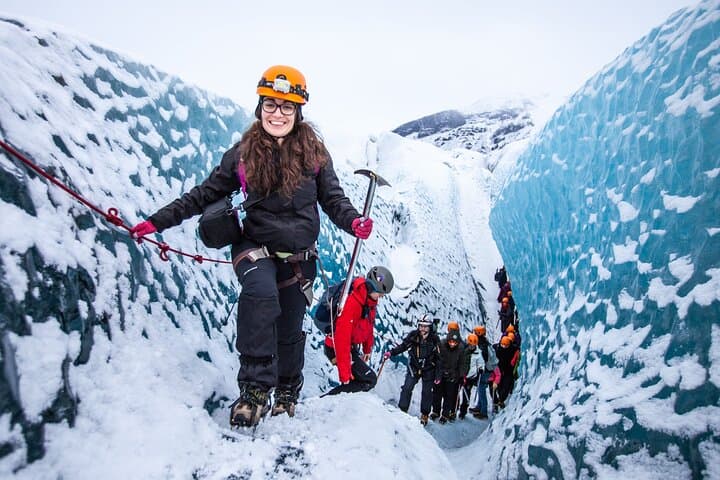
Beneath a sky of shifting light, Skaftafell’s ice reads like a map of time. This three-hour guided glacier hike mixes technical instruction with geology and culture: compact, safe, and unforgettable.
 Related story
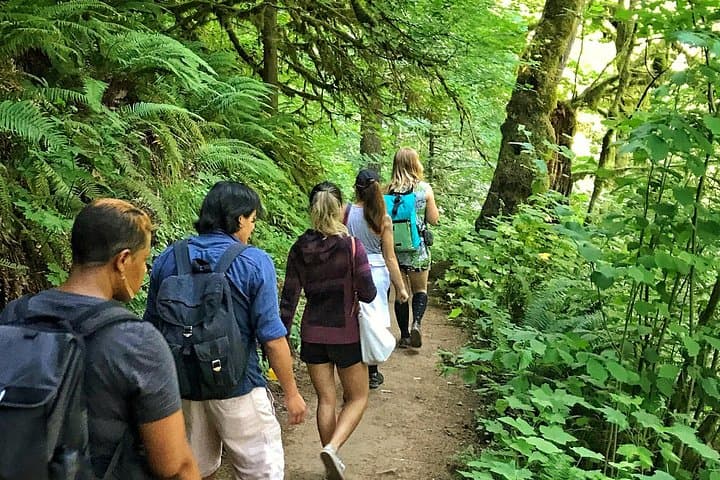
Lose the city for a few hours without leaving it: this 5-mile, 900-foot-gain Forest Park loop threads old-growth pockets, city viewpoints, and cultural landmarks for a compact taste of Portland’s wild side. Expect moss, roots, and stories.