
What the day feels like
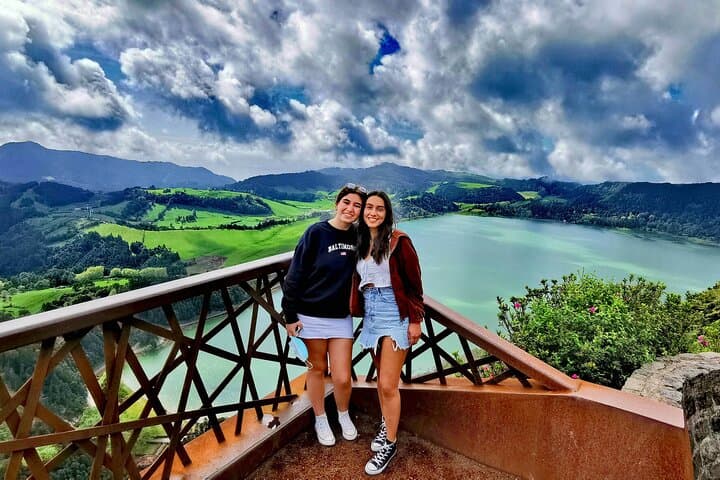
You step off the ship and into an island that still feels like it’s breathing. The air in Furnas is threaded with the metallic, mineral scent of steam: a low, constant exhale from the earth that shapes the valley into something both domestic and primeval. Narrow lanes lead past tidy white houses, hydrangea hedges, and pasture where cows graze as clouds slide over the surrounding crater rim. In the distance, plumes rise from vents and the lake sits like a dark eye, reflecting pale steam and sky. This is the Azores’ geothermal theatre, and a half-day shore excursion here is less a tour than a close reading of a volcanic landscape that cooks, steams, and feeds its people.
Furnas is not just spectacle; it’s a working geology and a living cultural practice. Over the past 100,000 years, eruptions and hydrothermal activity carved a basin of springs, fumaroles, and boiling mud pots. Locals understood long ago how to harness that heat. The most famous example is the cozido das Furnas—pots of meat and vegetables buried in volcanic soil and slow-cooked for six hours by thermal heat. Watching a family unearth the clay pots at midday feels like witnessing a culinary handshake between nature and culture.
Geologists call Furnas a caldera within São Miguel’s larger volcanic system; the valley’s mineral waters are extraordinarily varied, earning it a reputation as one of the world’s most diverse hydropoles. Botanically, the area thrives: Terra Nostra Garden (optional on many shore excursions) is a century-old botanical collection where exotic and endemic species mingle, and where a tepid thermal pool invites sore legs and cloud-washed afternoons. Tea plantations are another surprise—one of only two working tea factories in Europe sits on the island, and tea here tastes like green sunlight.
To experience Furnas on a shore excursion is to move between micro-scenes. You’ll stop at fumarole fields where the ground hisses and mineral cakes crust the soil. Guides explain the chemistry and caution you to stay on the marked paths; even a small misstep can scald. You’ll visit the rim for views across the lake and the valley’s patchwork of cultivation and woodland. Then there’s convivium: a local restaurant or cook spot where the cozido is lifted from the earth—an edible souvenir of the landscape’s power.
Why go on a guided shore excursion rather than wander independently? For a few reasons: timing (ships have schedules), access (the best thermal sites and a tea factory tour are easier with a local guide), and context (the story behind the fumaroles and the exact spots where the cozido is prepared matter). If your port time is limited, a compact program is ideal—this particular tour runs about four to five hours and is designed to maximize geology, food, and a little soaking without feeling rushed. For readers who want to dive deeper, many operators offer Terra Nostra Garden access for an extra fee so you can linger in the pool.
Practicalities matter here. Trails are short but often wet and mineral-slick; footwear with traction is non-negotiable. Bring a light waterproof jacket—the Azores sit in an Atlantic weather corridor and showers arrive without fanfare. Hydrate: the mineral-laden air can be subtly dehydrating, and a warm-day hike through fumaroles can be surprisingly thirsty work. Finally, respect the features. These are fragile geothermal systems and local economies built around careful use.
The sensory rewards are immediate. Steam shapes the light; boilers bubble like small, polite dragons. The cozido’s aroma—earthy, savory—walks through the village as a reminder that Furnas feeds more than tourists. If photography is your aim, the low-angle 10 a.m. to noon light makes the steam glow like smoke on the water; early or late in the day the valley favors moodier tonalities. If you want to linger longer, combine your visit with the Gorreana tea plantation and a coastal detour to see the island’s basalt cliffs.
For a shore-based day that mixes geology, culture, and a practical dose of human ingenuity, Furnas delivers: it’s an invitation to walk gently through an active landscape, taste its food, and understand how communities have adapted to—and celebrated—their geothermal lifeblood. To book a guided shore excursion that times well with cruise schedules and gives access to the right sites, check this local expert offering: <a href="https://app.advcollective.com/local-experts/furnas-volcano-hot-springs-shore-excursion-sao-miguel-azores">Furnas volcano and hot springs shore excursion</a>.
Trail wisdom
Small choices, better day.
Grip the ground
Wear sturdy shoes with good traction—mineral deposits and wet paths make for slick conditions around fumaroles.
Time your dip
If adding Terra Nostra’s thermal pool, bring swimwear and allow extra time for changing and relaxing; pool entry often isn’t included.
Stay on marked trails
Fumaroles can be deceptively hot and fragile—follow routes set by guides to avoid hazards and preserve features.
Taste locally
Try the cozido and a cup of tea; the food is part of the landscape’s story and supports local producers.
Local knowledge
Read the place, not just the route.
Watch for native species including Free-roaming dairy cattle that shape the pastoral landscape, Island birds such as chaffinches and common seabirds along the nearby coast.
Keep an eye out for wildlife during the transition between areas and habitats. Respect distance guidelines.
These geothermal and hydrothermal features are fragile—stick to paths, dispose of waste properly, and follow guide instructions to minimize impact.
Follow the guide's instructions on size limits, ethical handling, and leave-no-trace practices.
Gorreana Tea Factory—Europe’s working tea fields with coastal views. Miradouro do Pico do Ferro—lesser-known viewpoint above Furnas with sweeping crater perspectives
Locally recommended viewpoints and quiet spots known best to local operators.
Furnas developed around its geothermal springs; the tradition of cooking the cozido in volcanic heat is centuries old and remains a local culinary hallmark.
Maritime roots and regional tradition shape the waterways and working coasts.
Seasonal guide
Four versions of the same landscape.
Spring
Best forWildflowers and hydrangeas · Milder weather for walking · Fewer crowds than summer
ChallengesUnpredictable showers · Mud on trails
Spring brings blooming hedges and cooler mornings—pack a light rain shell and expect quick weather shifts.
Summer
Best forWarmer days for soaking · Best visibility for views · Longer daylight hours
ChallengesPeak visitor season · Possible buses of cruise passengers
Summer offers reliable weather and the best chance to pair a thermal soak with a clear vista; book early if you’re on a cruise schedule.
Fall
Best forAutumn light for photography · Harvest season flavors · Quieter trails
ChallengesStorms can roll in from the Atlantic · Cooler water temperatures
Fall balances softer light and fewer people—expect brisk mornings and the occasional downpour.
Winter
Best forSteam and dramatic skies · Lower prices and fewer crowds
ChallengesRain and wind · Closed seasonal services
Winter emphasizes Furnas’ raw steam and has the quietest feel, but bring full wet-weather gear and temper expectations for ancillary stops.
Operator details
What the booking data adds.
Included
- ✓Professional driver / local certified guide
- ✓Air-conditioned vehicle
- ✓All transportation during the experience
- ✓Live commentary throughout the tour
Not included
- —Entrance to Parque Terra Nostra or Dona Beija thermal baths (optional visit)
- —Entrance fee to Furnas Lake (cooking / stew area)
- —Food and drinks
- —Optional visits depend on time, conditions and group. Entrance fees paid on-site.
Good to know
- ✓Specialized infant seats are available
- ✓Infants and small children can ride in a pram or stroller
- ✓Public transportation options are available nearby
- ✓Suitable for all physical fitness levels
- ✓Children must be accompanied by an adult
- ✓At time of booking, Cruise ship passengers must provide the following information at time of booking: ship name, docking time, disembarkation time and re-boarding time
- ✓May be operated by a multi-lingual guide
Pack with intention
What to bring.
Good to know
Common questions.
The tour typically runs 4–5 hours, timed to fit most cruise ship schedules and include key thermal sites and a food stop.
Plan the edges
The details that make the day easier.
Furnas is famous for its cozido—pots buried in volcanic soil and slow-cooked by natural geothermal heat for around six hours, a culinary practice tied directly to the valley’s hydrothermal activity.
After the walk, head to a local casa de chá for Gorreana tea and then try the cozido at a family-run restaurant in Furnas village; for a post-hike drink, Ponta Delgada has lively bars and seaside terraces where you can compare regional cheeses and local beers.
- Closest airport
- Ponta Delgada (João Paulo II Airport). Driving from Ponta Delgada: ~45–55 minutes. Cell service: generally available but patchy in remote valley corners. Permits: none for the public sites; Terra Nostra Garden has paid entry.
Furnas’ geothermal features are sensitive—stay on trails, pack out waste, avoid bringing soaps into natural pools, and support local guides who practice low-impact tourism.
Explore by topic
Follow the threads.
Keep exploring
Make the story part of the trip.
Set out from Bass Harbor for a private, customizable day on Blue Hill Bay — lighthouses, puffins, seals, and the chance to feel Acadia from the water. Small groups, local captains, unforgettable views.
In four hours you can move from shaded canyon ferns to wind-scoured coastal ridgelines, guided by someone who knows where the light—and the hidden views—live. This private half-day hike on the Monterey Peninsula or Big Sur is compact, curated, and perfect for travelers who want depth without a multiday commitment.
 Related story
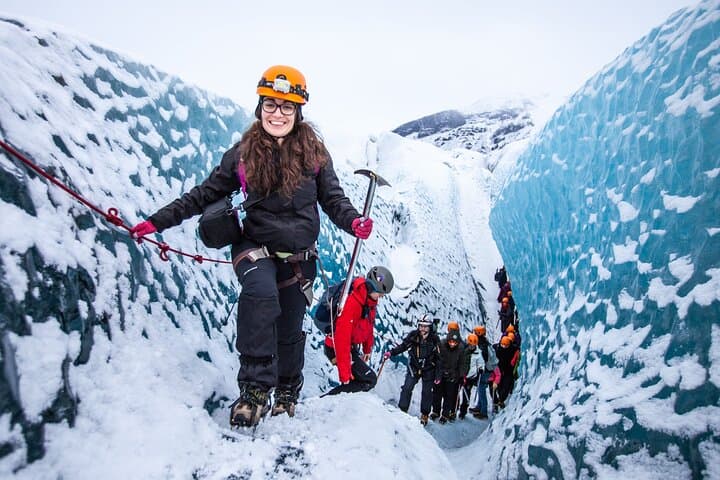
Beneath a sky of shifting light, Skaftafell’s ice reads like a map of time. This three-hour guided glacier hike mixes technical instruction with geology and culture: compact, safe, and unforgettable.