
What the day feels like
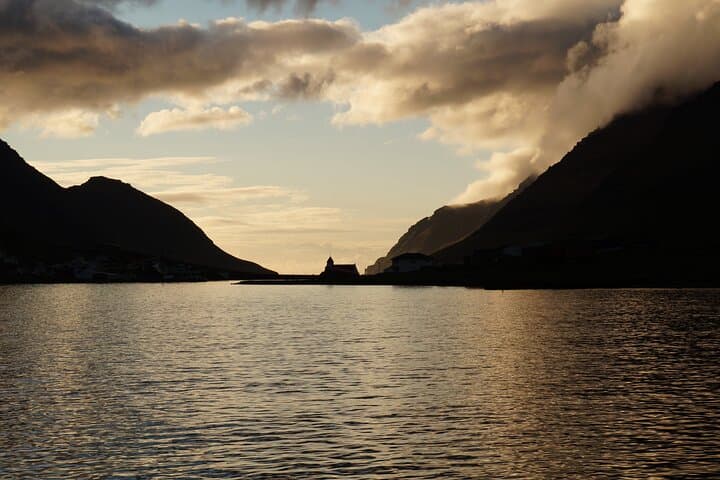
You step out of the minivan and the air does something to your shoulders—it sharpens them. The wind here arrives with intention, tugging at hood cords, lifting the tang of salt and peat. Ahead, a cleft in the mountain gathers cloud and light like a lens; behind you, the road snakes back through villages that seem to have been carved from the same rock that holds them. It feels, briefly, like you’ve been invited into a secret that the Faroes only share with the patient. On the Faroe Islands Private Northern Islands Tour, that patience is bought with six hours and a private driver-guide who knows which window to stop at and which story to tell.
The northern islands—a cluster that includes Viðoy, Borðoy and Kalsoy—are shorthand for dramatic geology and human stubbornness. Mountains rise out of the ocean in black, blocky slabs of basalt and scree, their shoulders softened by peat and a stubborn green that continues even through weather that would flinch other places. Valleys are small and closely held, often with a single wooden church, a handful of homes, and a pier. In between, the road threads tunnels that cut under mountains or across narrow fjords; the Faroese have turned isolation into infrastructure without losing the sense that nature is still in charge.
History in the Faroes is compact and concentrated. Vikings arrived here some 1,200 years ago; remnants of that Norse heritage are woven into place names, fishing practices, and folktales you’ll hear from your guide—stories of sea-king heroes, cunning farmers, and interactions with the old giants said to live in the hills. The islands have always been a maritime place: the biggest fishing town in the north, Klaksvík, still hums with the rhythm of trawlers and processing sheds. On this private tour, you’ll pass that hum and move on to quieter scenes—abandoned villages whose houses are kept upright by memory and a few caretakers, waterfalls that spill with theatrical flourish, and cliffs where seabirds stage their own frenetic colonies.
Geology is the backdrop but also the director here. The basalt columns and layered lavas speak to an island-building process measured in eruptions and time rather than design. Where the rock collapses into the sea you get cliffs—sheer, wave-battered, and home to puffins and kittiwakes in summer. Where valleys catch a bit of soil, sheep turn drab slopes into grazed terraces; there are more sheep than people across the Faroes, a fact that colors the landscape all year round.
This tour is designed to be intimate rather than exhaustive. With a private driver-guide at your disposal, you can linger at a waterfall, step into a near-empty church to listen to the echoes, or stroll the gravel streets of the northernmost village—Viðareiði—where the ocean presses close from two sides. There’s an element of cinematic surprise to the route: the lighting here changes by the mile, and many filmmakers have come to these islands for vistas that look as if they were made on commission by the elements themselves.
Practicalities are straightforward. The tour runs about six hours—enough time to cover the major northern highlights without feeling rushed—and typically departs from Tórshavn. Roads are paved, but expect narrow lanes and occasional one-lane bridges; your driver will handle the logistics, including tunnels and ferry crossings if the itinerary calls for them. Walking segments are mostly short and easy—strolls along piers, village streets, and short viewpoints—so suitable for a wide range of fitness levels, though wet ground and wind can make footing tricky.
Why book a private tour rather than go it alone? For starters, the Faroes are deceptively complex for first-time visitors: routes can be detoured by weather, local knowledge matters for timing visits to wildlife hotspots, and language and logistics are smoothed by a driver who also acts as a guide. For a day rate starting from the listed price, you’re buying local expertise, privacy, and an ability to tailor stops—maybe a longer coffee on a bluff, or an extra minute in a deserted village to photograph a red cliff face as the light softens.
Planning tips: dress in layers—the Faroes’ weather flicks between sun, mist, and rain without ceremony. A windproof shell and sturdy footwear will matter more than a fashionable coat. Bring a small daypack for water, snacks, and camera gear. If you’re chasing birdlife or dramatic light, aim for long summer days when puffins are present and the midnight sun softens coastal shadows; for brooding skies and empty beaches, shoulder seasons offer moods that feel more cinematic.
This is a trip for people who like landscape with a side of narrative—mountains that feel like characters, villages that speak in stories, and a coastline that asks you to slow down and look closely. If you want the Faroes to be a postcard, this tour will give you that postcard and then some: the quieter frames in the margins that make the picture come alive.
Trail wisdom
Small choices, better day.
Dress for wind and rain
Layers and a good windproof shell make standing on exposed cliffs and piers bearable—weather changes fast.
Mind your footing
Streets can be gravelly and wet; comfortable waterproof hiking shoes will keep you stable during short walks.
Bring a small daypack
Pack water, snacks, and spare battery for your camera—stops are often scenic but facilities limited.
Book a private guide for flexibility
A private driver-guide lets you linger at viewpoints and detour to lesser-known spots that group tours skip.
Local knowledge
Read the place, not just the route.
Watch for native species including Atlantic puffin, Arctic tern.
Keep an eye out for wildlife during the transition between areas and habitats. Respect distance guidelines.
The Faroes balance fishing industry needs with sensitive bird and marine habitats—stick to marked paths, avoid nesting cliffs during breeding season, and pack out all trash.
Follow the guide's instructions on size limits, ethical handling, and leave-no-trace practices.
A short stroll to the old stone lighthouse near Viðareiði for quiet coastal views. A tucked-away waterfall accessible by a brief trail off the main road—great for intimate photos
Locally recommended viewpoints and quiet spots known best to local operators.
Viking settlers colonized the Faroes around the 9th century; Norse place names and folk tales still shape local identity.
Maritime roots and regional tradition shape the waterways and working coasts.
Seasonal guide
Four versions of the same landscape.
Spring
Best forMigratory birdwatching · Fewer tourists
ChallengesUnpredictable snow at higher spots · Shorter daylight early in season
Spring brings returning seabirds and early green on the slopes; expect variable weather and cool temperatures.
Summer
Best forLong daylight · Puffins and seabird colonies
ChallengesMore tourists in peak spots · Higher prices for accommodation
Summer is the ideal window for long light hours and accessible coastal birdlife, though some sites get busier.
Fall
Best forDramatic skies · Empty trails
ChallengesIncreasing wind and rain · Shortening daylight
Autumn tightens the light and softens colors; it’s less crowded but weather becomes wilder.
Winter
Best forStorm-watching · Northern solitude
ChallengesShort days and limited daylight · Possible road closures and ferry disruptions
Winter is raw and remarkable but logistical disruption is possible—only go if prepared for severe weather.
Operator details
What the booking data adds.
Included
- ✓Private transportation
- ✓Private Local Guide
- ✓Bottled water
- ✓Lunch
- ✓All Fees and Taxes
Good to know
- ✓Suitable for all physical fitness levels
Pack with intention
What to bring.
Good to know
Common questions.
The tour lasts approximately six hours, typically departing from Tórshavn and returning the same day.
Plan the edges
The details that make the day easier.
There are more sheep than people in the Faroe Islands—about 70,000 sheep compared with roughly 50,000 residents—shaping much of the landscape and local culture.
After a day of cliffs and village lanes, head to Klaksvík or back to Tórshavn for fresh-caught fish or a local stew of lamb—pair it with a beer from Føroya Bjór and ask locals about the town’s fishing lore; small cafés serve simple, hearty Faroese dishes that reflect the islands’ maritime roots.
- Closest airport
- Vágar Airport (drive ~45–60 minutes to Tórshavn); Typical departure: Tórshavn; Driving distance to northern highlights: 45–90 minutes depending on stops; Cell service: Good in towns, patchy in remote coves; Permits: None for general touring.
The Faroes’ coastal ecosystems are sensitive—avoid cliff-edge nesting areas during breeding season, stick to trails, and pack out all waste to protect bird colonies and fragile vegetation.
Explore by topic
Follow the threads.
Keep exploring
Make the story part of the trip.
Set out from Bass Harbor for a private, customizable day on Blue Hill Bay — lighthouses, puffins, seals, and the chance to feel Acadia from the water. Small groups, local captains, unforgettable views.
In four hours you can move from shaded canyon ferns to wind-scoured coastal ridgelines, guided by someone who knows where the light—and the hidden views—live. This private half-day hike on the Monterey Peninsula or Big Sur is compact, curated, and perfect for travelers who want depth without a multiday commitment.
 Related story
Beneath a sky of shifting light, Skaftafell’s ice reads like a map of time. This three-hour guided glacier hike mixes technical instruction with geology and culture: compact, safe, and unforgettable.