
What the day feels like
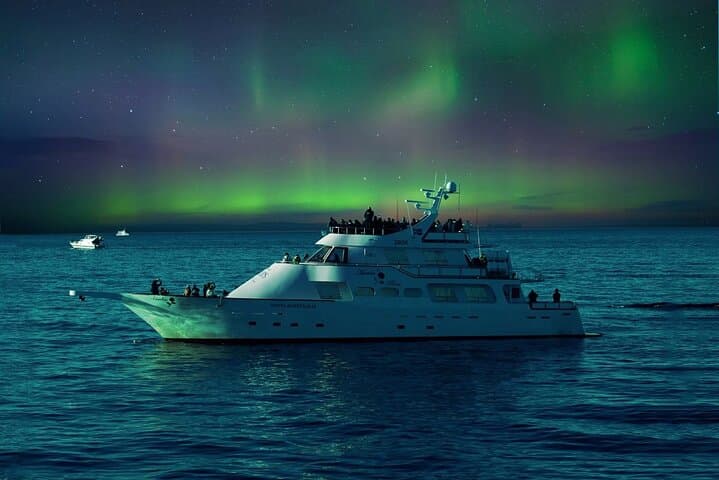
The boat rocks once, an eager nudge through a black mirror of sea. Breath fogs in the cold. Over Reykjavík the sodium lights dim like someone drawing a curtain and the city exhales. On deck, bundled travelers crane their necks, scanning a horizon where northern weather and solar temper decide everything. Then the sky opens: a pale, wavering ribbon uncoils, then thickens into waves of luminous green. The aurora is not a picture but a movement, something that dares you to follow it across the North Atlantic. Out here on Amelia Rose, the open water gives you a clearer stage than any street or hill; the city slips behind, the sea invites you forward, and the lights perform.
Seeing the aurora from the water is part spectacle, part geology lesson. Iceland sits astride the Mid-Atlantic Ridge, a slow, tectonic exhale that built this coastline of basalt and fjords and gives these nights a penetrating clarity. The lights themselves are the sky insisting on being alive: charged particles from the sun colliding with Earth's atmosphere, causing oxygen and nitrogen atoms to glow in greens, pinks, and reds. Icelanders call them norðurljós and for generations these displays fed both folklore and practical life — fishermen timed their returns, poets wrote of dancing spirits. In Reykjavík the Old Harbour remains the citys original doorway to the sea, a place of salt and trade that now hosts the quieter business of stargazers and photographers.
This cruise is short and specific: two hours, a compact nocturnal chase that trades long hikes for immediate access to the dark, low-horizon sky. Amelia Rose has the advantage of mobility. Clouds that blanket a shoreline sky can spit out just as quickly at sea, and a captain who knows the local microclimates will alter course to find an opening. The trade-off is the ocean itself; the sea moves with a personality of its own, and the boat may rock or roll depending on the swell. For most travelers that translates to an unforgettable show; for a few, it means steadying hands and motion-sickness meds.
Practicalities matter here as much as wonder. Tours run about two hours and typically depart from Reykjavík's Old Harbour. The cruise operates year-round when conditions permit; winter nights from late September through April offer the best odds when darkness is long and solar activity often aligns. You pay for access and expertise as much as for the boat: from-price entry sits around USD 94, instant confirmation is standard, and the operator's policy is traveler-friendly — if the aurora refuses to show, they offer a free return within availability for up to three years rather than refunds. Weather cancellations do happen; expect updates by email if your trip is affected.
Dress for the physics. The seabreeze will sharpen cold, and being still on deck means you feel it more than you expect. Layer a windproof shell over insulated layers, bring a thick hat and gloves, and wear waterproof footwear. A thermos with hot drink is a small luxury that transforms a long, cold wait into a comfortable vigil. For photographers, bring a tripod and a camera that allows long exposures; the dark sea makes an excellent foreground but demands stabilization and patience.
Culture and city life thread naturally into the experience. The Old Harbour area is lively with seafood stalls and cozy cafés where the warmth tastes like local hospitality after hours on deck. The Harpa concert hall glows like a geometric beacon against the night and makes an easy meeting point before or after your cruise. Icelanders tend to treat the aurora with a practical reverence — they expect it, they watch forecasts, but they also know the weather rules. That blend of stoicism and delight rubs off: you learn to be patient, to wait with optimism rather than entitlement.
Safety and timing are straightforward. Bring a headlamp with a red-light setting to preserve night vision; turn off phone flashes in respect for other guests and the dark. If you get sea-sick easily, take preventive measures before boarding. Remember that the aurora is ephemeral; success is measured in minutes and moods as much as in photos.
Why choose a yacht cruise over a land-based lookout? The sea reduces horizon clutter and light pollution and gives you a nearly unobstructed view of what the sky wants to show. For a traveler who wants high odds without committing to long winter treks, it is efficient and intimate. For photographers and storytellers, the reflections of green on black water create images you cannot get from a hilltop. For couples and families, the shared quiet of a night at sea becomes a memory as tactile as any mountain summit.
On a practical note, check aurora forecasts before you book, give yourself a buffer of nights in Reykjavík rather than pinning the whole trip on one sailing, and try to pair the cruise with a late dinner in the Old Harbour. Whether the lights crown the night or simply tease the horizon, the experience reshapes how you view northern darkness: not as absence, but as a room waiting for a show.
Trail wisdom
Small choices, better day.
Dress in layers
Windproof outer shell, insulating mid-layer, and close-to-body base layer keep you warm on a chilly deck.
Bring a tripod
A steady tripod and a remote shutter will dramatically improve aurora photos during long exposures.
Prepare for motion
Take sea-sickness meds before boarding if you’re prone to motion sickness; the captain may change course to seek clearer skies.
Download forecasts
Check local aurora and weather forecasts (e.g., vedur.is) the day of the trip to set expectations.
Local knowledge
Read the place, not just the route.
Watch for native species including Harbour seals, Porpoises and occasional seabirds.
Keep an eye out for wildlife during the transition between areas and habitats. Respect distance guidelines.
Operators aim to minimize light and noise pollution during aurora viewings; passengers are asked to avoid flash photography and to pack out all litter.
Follow the guide's instructions on size limits, ethical handling, and leave-no-trace practices.
Grótta Lighthouse on Seltjarnarnes for shore-based aurora if seas are rough. The Old Harbour's smaller docks for quieter pre- or post-cruise views
Locally recommended viewpoints and quiet spots known best to local operators.
Reykjavík's Old Harbour evolved from a fishing and trade gateway into a cultural hub; the area links the city's maritime past with contemporary tourism.
Maritime roots and regional tradition shape the waterways and working coasts.
Seasonal guide
Four versions of the same landscape.
Spring
Best forLonger daylight for sightseeing · Transitional weather windows
ChallengesVariable cloud cover · Unpredictable sea conditions
Spring sees changing weather and longer daylight, so cruises may run later into the evening with mixed cloud windows.
Summer
Best forMidnight sun viewing · Calmer seas for boating
ChallengesLimited darkness—aurora visibility is low · Short nights reduce chances of sightings
Summer has long daylight and few true nights, so aurora cruises are rarely effective then; operators focus on whale watching instead.
Fall
Best forIncreasing darkness · Stable aurora activity
ChallengesStorm fronts that bring cloud cover · Cooling temperatures at night
Autumn balances dark nights with relatively mild temperatures, improving your odds as the season progresses.
Winter
Best forBest aurora visibility · Long, dark nights
ChallengesCold temperatures and rough seas · Higher chance of weather cancellations
Winter is prime aurora season with long hours of darkness but expect cold, possible cancellations, and the need for solid layers.
Operator details
What the booking data adds.
Included
- ✓Panoramic views
- ✓WiFi on board
- ✓All Fees and Taxes
- ✓Drinks and snacks are available for purchase
- ✓Professional guides
- ✓Spacious observation decks
- ✓Restroom on board
Good to know
- ✓Infants are required to sit on an adult’s lap
- ✓Service animals allowed
- ✓Public transportation options are available nearby
- ✓Infants and small children can ride in a pram or stroller
- ✓Wheelchair accessible
- ✓Suitable for all physical fitness levels
- ✓Please take note. The tour takes place in wild nature, sightings cannot be predicted or guaranteed. If there are no sightings on the tour, we do not offer refunds but instead, we offer our passengers a free return to join our tour depending on availability, valid for up to three years.
Pack with intention
What to bring.
Good to know
Common questions.
The tour runs approximately two hours from Reykjavík's Old Harbour, though time at sea can vary with conditions.
Plan the edges
The details that make the day easier.
The Northern Lights are produced when charged particles from the sun collide with atoms in Earths upper atmosphere, exciting them to emit light.
After the cruise, warm up at the Old Harbours seafood spots where you can find rich lamb stew, fresh fish, or a simple lobster soup; stop by Harpa for a nighttime photo and walk Laugavegur if you want local shops and late cafes.
- Closest airport
- Keflavík International Airport (KEF), ~50 km
- 45–60 minutes by car. Departure point
- Reykjavík Old Harbour, minutes from downtown. Cell service: reliable in city, limited at sea. Permits: none required for public cruises.
Operators encourage minimal light use to preserve dark skies, ask passengers to take all trash with them, and many support local conservation efforts to protect marine habitats.
Explore by topic
Follow the threads.
Keep exploring
Make the story part of the trip.
In four hours you can move from shaded canyon ferns to wind-scoured coastal ridgelines, guided by someone who knows where the light—and the hidden views—live. This private half-day hike on the Monterey Peninsula or Big Sur is compact, curated, and perfect for travelers who want depth without a multiday commitment.
 Related story
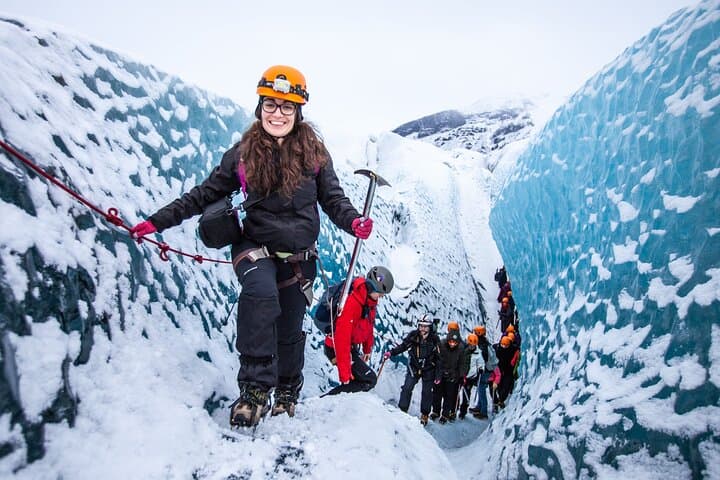
Beneath a sky of shifting light, Skaftafell’s ice reads like a map of time. This three-hour guided glacier hike mixes technical instruction with geology and culture: compact, safe, and unforgettable.
 Related story
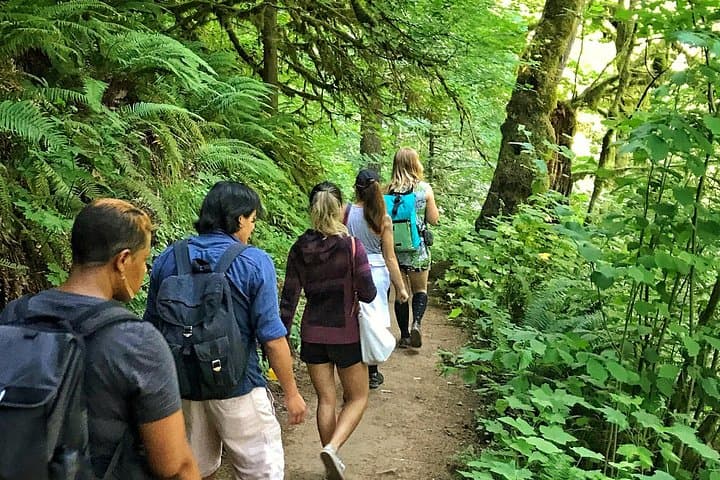
Lose the city for a few hours without leaving it: this 5-mile, 900-foot-gain Forest Park loop threads old-growth pockets, city viewpoints, and cultural landmarks for a compact taste of Portland’s wild side. Expect moss, roots, and stories.