
What the day feels like
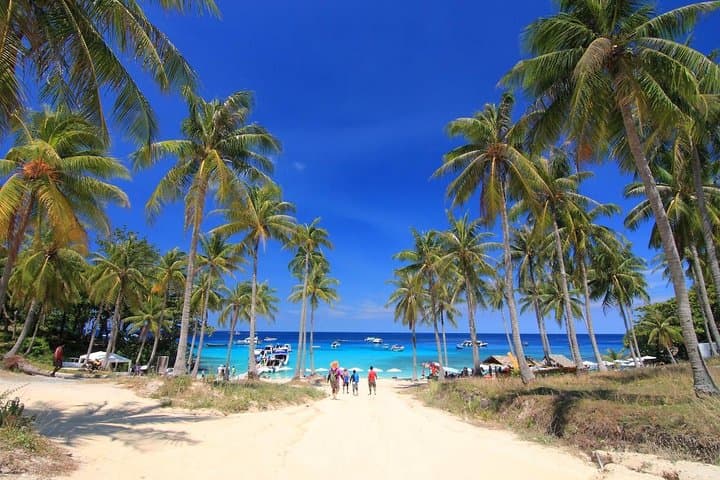
The morning light on Phuket’s Chalong Bay is honest and quick: it picks out the silvery wakes of incoming longtails and sharpens the limestone teeth of distant headlands. By 8 a.m. the speedboat’s engine thrums like a promise, and the open sea ahead—an expanse of Andaman-snap greens and blues—dares you to move faster. You slip off the pier, wind in your collar, and the island circuit widens: first Coral Island (Koh Hae), small and walkable, then Racha Island (Raya Yai), a study in clearer water and quieter beaches. Both are compact enough to explore on foot, but they unfold very differently: Coral’s shallow fringe reefs are intimate and immediate; Racha’s drop-offs invite longer swims and more revealing snorkels.
This is a trip for people who want to feel the motion of travel—the salt in the air, the brief spray that lands on your cheeks—and for those who want tactile time at shore. The day’s architecture is simple: an eight-hour round trip departing Phuket, two island stops for snorkeling and kayaking, beachside buffet lunch, and enough unstructured moments to sample sand between your toes as the sun drops low. It reads like a checklist, but on the islands the pace changes. Coral Island nudges you into casual exploration—shells, shallow reefs, beachside cafés—while Racha rewards patience: clear water, a chance to drift above healthy coral gardens, and a stretch of sand that looks designed for a sunset.
Geologically the islands are siblings born from the same Andaman Sea structures—limestone shoulders and granitic foundations—buffeted by monsoon seasons. Their coral ridges sit on the leeward sides where current slackens and light illuminates the reef. Historically, these islands have long been day-trip destinations for Phuket’s fishing communities; their proximity to the mainland kept them lightly developed compared with islands further offshore. Today, small restaurants and shaded bamboo huts replace traditional fishing gear, but the islands retain a low-rise, local feel.
Culturally, a day like this threads into everyday life on Phuket. Rawai and Chalong—where most boats launch—are working harbors; mornings begin with fishermen sorting nets and vendors arranging fish on ice. Eating here after a day on the water feels right: grilled catch at a roadside stall, a cold local beer, and the kind of mango sticky rice that tastes like reward.
Practically speaking, this is an accessible adventure. Snorkeling sites are shallow and forgiving for beginners, yet offer the kinds of coral bommies and tropical fish that satisfy more experienced swimmers. Kayaking gives you a slower way to connect with pockets of coastline otherwise invisible at 20 knots. The operator’s buffet lunch and the ease of a guided day trip mean you don’t need island-hopping experience to enjoy the best of the Andaman in one day.
If you go: time your trip during the dry season (roughly November–April) for calm seas and clear water. Bring a buoyant snorkel vest if you’re not confident in open water; the Andaman can feel very inviting—and deceptively deep. Use reef-safe sunscreen and a lightweight rashguard; the sun is relentless when you’re bouncing between two islands. Finally, budget for small local purchases—beachside vendors appreciate cash for cold drinks or a coconut—and leave no trace: these reef systems are delicate and recover slowly.
The route’s rhythm is familiar to repeat visitors: speed out past promontories; the boat leans into playful chop; the first island appears like an invitation; snorkeling; lunch; another boat ride; a slow swim in clearer water; sun lowering; return. That cadence—fast and then slow, communal and private—encapsulates what many travelers want from a day trip: variety balanced by the simplicity of sand and salt.
For photographers, the islands are cooperative: early light softens shadow on the reefs; midday offers underwater clarity; the late afternoon glow gilds the sand. Keep a waterproof camera close and be gentle about your shots—don’t step on coral for a photo. For families, this trip scales well: younger kids can paddle in shallow water at Coral Island and older kids will relish the open-sea experience at Racha.
By sunset, the return to Phuket feels like a small victory—an accomplished loop through water and reef, with a day’s worth of sun-softened stories in your pockets. The islands are not remote wilderness, but their appeal lies in the proximity of marine life, the hands-on nature of the experience, and the tangible contrast between a busy day on the mainland and the unhurried edges of island time. It is an invitation to get wet, to try something new, and to remember that some of the best travel moments are simply made of moving through beautiful place.
If you want a practical checklist: be confident in basic swimming, bring reef-safe protection, hydrate between boat hops, and keep your expectations calibrated—this is a day trip, not a week-long dive safari. Do it right and you’ll come home with clearer lungs, sand in your shoes, and a better sense of why this stretch of the Andaman Sea continues to pull visitors back, year after year.
Trail wisdom
Small choices, better day.
Book morning departures
Mornings usually have calmer seas and clearer water for snorkeling—aim for the first boat out.
Bring reef-safe sunscreen
Protect coral by using reef-safe SPF and covering up with a rashguard during peak sun hours.
Pack a small dry bag
A 5–10L dry bag keeps phone, wallet and camera safe from spray between island hops.
Wear water shoes
Sandy beaches are forgiving, but water shoes help on rocky reef approaches and when stepping onto boats.
Local knowledge
Read the place, not just the route.
Watch for native species including Parrotfish, Reef clownfish (anemonefish).
Keep an eye out for wildlife during the transition between areas and habitats. Respect distance guidelines.
Respect the reef by using reef-safe sunscreen, avoid touching coral, and dispose of all trash properly—local operators increasingly support conservation fees and reef restoration projects.
Follow the guide's instructions on size limits, ethical handling, and leave-no-trace practices.
Snorkel near the leeward bommies at Racha for quieter fish activity. Walk from Coral Island’s main beach to the smaller cove for fewer crowds
Locally recommended viewpoints and quiet spots known best to local operators.
Coral Island (Koh Hae) and Racha Yai have long been local fishing grounds; limited development preserved many of the islands’ coastal habitats compared with busier Phuket beaches.
Maritime roots and regional tradition shape the waterways and working coasts.
Seasonal guide
Four versions of the same landscape.
Spring
Best forWarmer water swims · Sunny beach time
ChallengesIncreasing humidity · Occasional haze
Spring (Feb–Apr) brings warming sea temps and reliable sunshine—great for snorkeling but sunscreen and hydration are critical.
Summer
Best forLush coastal views · Fewer crowds on weekdays
ChallengesOnset of monsoon rains (May–Aug) · Rougher seas some days
Summer can be unpredictable: plan with flexible bookings and check sea conditions before departing.
Fall
Best forCalmer seas returning · Good visibility mid-season
ChallengesIntermittent storms early fall · Variable water clarity
Fall (Sep–Nov) is a shoulder season—watch the weather but expect increasingly stable conditions toward November.
Winter
Best forClear water visibility · Dry, sunny days
ChallengesHigher tourist numbers · Hot midday sun
Winter (Nov–Feb) is peak season for clear seas and excellent snorkeling—book early and bring sun protection.
Operator details
What the booking data adds.
Included
- ✓Roundtrip transportation to and from Phuket hotels in selected areas
- ✓Lunch
- ✓Drinking water and morning coffee or tea
- ✓Live tour commentary provided in English
- ✓Boat cruise
- ✓Snorkel mask
Not included
- —Gratuities
- —Optional sea activities
Good to know
- ✓Infants are required to sit on an adult’s lap
- ✓Not recommended for travelers with spinal injuries
- ✓Suitable for all physical fitness levels
- ✓Hotel pickup is available from most centrally located Patong, Karon, Kata, Rawai, Naitharn, Yacht Club, Ban Krating, Chalong, and Kalim Beach hotels. Extra charge 500-baht each for transfers outside these areas. Please arrange pickup from your hotel or a nearby location when you call to confirm your reservation.
- ✓Pick-up time is 30-90 minutes prior to the booked tour start time.
- ✓At least 2 people are required for this activity to take place. Single traveler may book this product, but is subject to availability and cancellation if minimum number of people is not met on the activity day. (Alternative date or refund will be offered should this occur.).
- ✓Children 11 and younger must be accompanied by a paying adult.
- ✓Pregnant women and persons over 70years are not permitted to join tour
- ✓If you have a heart condition, high blood pressure or congenital disease you should not participate.
- ✓If you have back, neck, lower back, joint, or muscular problems, you should carefully consider whether to participate.
- ✓Weather and sea conditions determine whether the tour operates.
- ✓The Company will not be held responsible for any changes made to the program due to the weather, tide level, sea conditions, accident, or any other reason that may modify the program. These changes are made for the safety and comfort of all guests and no refunds can be given. The Supplier reserves the right to cancel any trip in case of bad weather
- ✓Prior to commencement of tour, passenger may be required to sign to acknowledge participation in tour for legal/insurance purposes.
Pack with intention
What to bring.
Good to know
Common questions.
The excursion lasts about 8 hours; typical inclusions are speedboat transfers, guided snorkeling, kayak use (where offered), buffet lunch at a beachside restaurant, and basic snorkeling equipment—confirm specifics with your operator.
Plan the edges
The details that make the day easier.
Coral Island is locally known as Koh Hae; 'Hae' means shrimp in Thai and the island has long been a fishing and day-trip destination for Phuket residents.
After the trip, head to Rawai for fresh seafood at beachside stalls—try grilled whole fish or a southern Thai curry. For a casual drink, find a seaside bar near Chalong pier to watch boats come in and unwind.
- Closest airport
- Phuket International Airport (HKT); Typical departure: Chalong
- Rawai area (20–40 minutes from Phuket Town); Driving distance from Phuket Town
- ~20–45 minutes depending on traffic; Cell service: reliable near shore, patchy while offshore; Permits: none typically required—confirm local fees with operator.
Use reef-safe sunscreen, avoid standing on coral, support operators that follow no-feed wildlife policies, and pack out all non-biodegradable waste to protect fragile marine ecosystems.
Explore by topic
Follow the threads.
Keep exploring
Make the story part of the trip.
Set out from Bass Harbor for a private, customizable day on Blue Hill Bay — lighthouses, puffins, seals, and the chance to feel Acadia from the water. Small groups, local captains, unforgettable views.
In four hours you can move from shaded canyon ferns to wind-scoured coastal ridgelines, guided by someone who knows where the light—and the hidden views—live. This private half-day hike on the Monterey Peninsula or Big Sur is compact, curated, and perfect for travelers who want depth without a multiday commitment.
 Related story
Beneath a sky of shifting light, Skaftafell’s ice reads like a map of time. This three-hour guided glacier hike mixes technical instruction with geology and culture: compact, safe, and unforgettable.