
What the day feels like
The boat slips off Phuket before sunrise, and the sea is a sheet of blown glass that seems to hesitate before committing to the day's motion. You feel the speedboat gather itself beneath your feet—thrum, then a clean forward surge—and soon the coastline of Phuket thins to a memory: sugar-white beaches, palms, and the silhouette of mainland hills. This is a ritual of departure that marks every honest day at sea: a leaving, and the immediate arrival at someplace else entirely. Within two hours the water takes on a transparency that makes the world below visible: a living, moving map of coral gardens and reef channels.
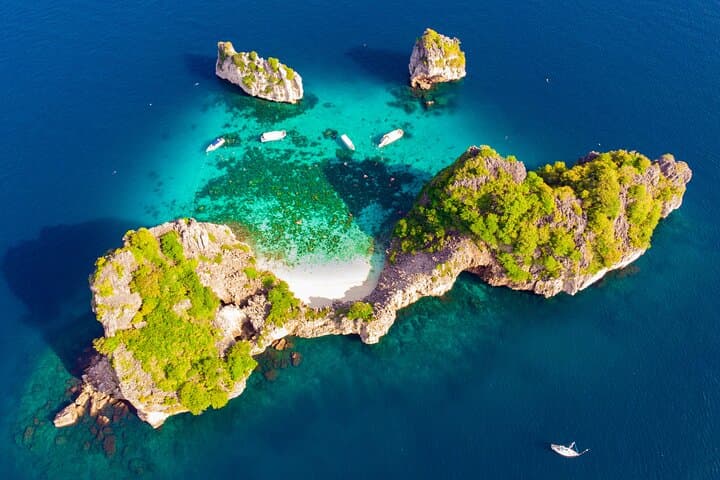
By mid-morning you drop anchor in a crescent of sand that could be a postcard but doesn't behave like one. Children laugh as they run into waist-deep water. Guides hand out snorkel masks, point to a patch of green and purple coral, and gesture like conductors—this is where the reef opens into a corridor of life. The islands—Rok and Haa—aren't just pretty stops on a checklist. They are clear demonstrations of how an ecosystem can stage a conversation with visitors: curious clownfish inspect masks; parrotfish grind away old coral into sand; a shadow glides where a reef shark prowls, distant and uninterested in humans.
The tour advertised as "Rok Island – Haa Island by Speedboat" is as much about timing and place as it is about the ride. It's a nine-hour arc (the operator lists a 540-minute duration) that stitches together two very different coastal personalities. Rok Island, with its powder-white strand and broad reef flats, is the kind of island that invites long wades and slow snorkeling. Haa Island's shoals and deeper drop-offs present clearer channels and often stronger currents—places where marine life concentrates and the spectacle intensifies.
Geologically, these islands are the Andaman Sea's storytellers. They are limestone and ancient reef platforms sculpted by sea and monsoon. The shoreline profiles—rounded granite outcrops in some places, sheer coral shelves in others—trace islands rising and falling with tides across millennia. Culturally, these waters have long been routes for fishermen and traders; the islands were drawn on mariners' charts long before they entered tourism brochures. Today local crews combine those maritime instincts with contemporary hospitality—setting the day's pace, reading the swell, and shepherding swimmers toward the healthiest patches of reef.
If you want to go, practicalities matter. The trip usually leaves from Phuket and runs around nine hours door-to-door. The operator lists a price starting from about $145 per person and often runs with families and mixed-ability groups. Expect basic inclusions: transfers from central Phuket, a light breakfast, lunch on the boat or on the beach, masks and fins, and knowledgeable guides who know where the fish are most likely to be that day. If you prefer to book through a local specialist, this [Rok Island to Haa Island speedboat day tour](https://app.advcollective.com/local-experts/rok-island-to-haa-island-speedboat-day-tour-snorkel-pristine-reefs-from-phuket) runs frequent departures and handles national park logistics.
Timing is everything. The Andaman's dry season—November through April—gives the best visibility, calm seas, and fewer drift currents, with an ideal window in January and February. Summer and the monsoon months bring reduced visibility and rougher crossings; operators often cancel trips when swell and wind exceed safe limits. For wildlife, mornings are typically quieter and clearer; afternoons can bring shark sightings and larger pelagic fish around the deeper channels.
Safety and sustainability are simple to fold into the fun. Carry reef-safe sunscreen, avoid standing on coral, and listen to your guide about mooring locations—many operators use existing moorings to limit anchor damage to fragile reefs. If you have your own compact snorkel gear and a mask that fits well, bring it; you’ll see more when your mask seals properly and you avoid the hassle of adjusting rental equipment.
For photographers, the islands reward patience: shoot wide during midday for polarized-water clarity and switch to a fast lens for close-ups of reef life. Use a wrist strap and a float—equipment slips into the ocean faster than any of us want to admit. Above water, the sandbars present minimalist compositions: turquoise, white, and a single tree. Underwater, the color temperature warms toward green-blue; expose slightly for highlights and be ready for quick adjustments as fish dart in and out of shade.
Practical logistics are straightforward but worth noting: departures generally require a short transfer from central Phuket (many operators collect from hotel piers or arrange a minivan pickup). National park fees may apply depending on the landing site—confirm what your tour price covers. Cell service varies—expect coverage near Phuket and spotty reception once you’re far offshore.
You don't need to be an expert swimmer to enjoy this day, but comfortable basic swimming and a willingness to get wet are non-negotiable. Many visitors pair this trip with a multi-day island itinerary through Krabi or Koh Lanta, or they use it as a highlight on a longer Thailand itinerary. Whatever the context, a day at Rok and Haa delivers a clear message: marine environments still offer pristine experiences when managed responsibly.
If you're tempted to book, look for operators who prioritize small groups, offer reef-safe sunscreen or briefings, and provide clear cancellation policies in case weather intervenes. The speedboat ride itself—fast, efficient, and exhilarating—feels like an active promise that you’re headed to someplace worth the trip: reefs that invite closer inspection and beaches that make you slow down. For a single day, it’s an excellent place to witness how resilient—and how fragile—the Andaman Sea can be.
Trail wisdom
Small choices, better day.
Bring a fitted mask
A well-fitting snorkel mask will transform your day—no fog, no leaks, more time observing fish than fussing with gear.
Use reef-safe sunscreen
Choose mineral-based sunscreen to protect both your skin and the coral; re-apply sparingly and after swimming.
Start early
Morning departures typically offer calmer seas and better visibility for snorkel sites.
Secure a waterproof bag
Keep phones, passports, and extra cash in a waterproof pouch stored on the boat to avoid salt damage.
Local knowledge
Read the place, not just the route.
Watch for native species including Clownfish (Amphiprionidae), Reef sharks (small whitetip and blacktip species).
Keep an eye out for wildlife during the transition between areas and habitats. Respect distance guidelines.
The reefs are sensitive; operators that use mooring buoys and brief guests on no-touch rules help reduce anchor and human impact—pack out all trash and use reef-safe sunscreen.
Follow the guide's instructions on size limits, ethical handling, and leave-no-trace practices.
Sandbar near Rok Island visible at low tide for photography and wading. Small sheltered coves on Haa Island ideal for quiet snorkeling away from the busier beach
Locally recommended viewpoints and quiet spots known best to local operators.
These waters were traditional fishing grounds and informal trade routes; islands like Rok and Haa appeared on mariners' charts long before they entered recreational tourism.
Maritime roots and regional tradition shape the waterways and working coasts.
Seasonal guide
Four versions of the same landscape.
Spring
Best forCalm seas · Good visibility
ChallengesIntermittent showers in late spring · Warmer surface temperatures
Spring sees improving visibility and generally calm waters—expect comfortable snorkeling but pack a light rain layer for occasional showers.
Summer
Best forWarmer water · Fewer crowds pre-monsoon
ChallengesHigher chance of choppy seas · Reduced visibility during monsoon onset
Summer can be hot and humid with more variable seas; trips may be affected by swell—check operator cancellation policies.
Fall
Best forMigratory fish sightings · Fewer tourists
ChallengesOnset of rainy season later in fall · Reduced visibility some days
Early fall can provide dramatic marine life encounters but be prepared for weather shifts as the monsoon approaches.
Winter
Best forBest visibility · Calmest seas
ChallengesCooler mornings · Higher demand for tours
Thailand’s dry season—November to April—offers the most reliable snorkeling conditions and highest water clarity; book in advance.
Operator details
What the booking data adds.
Included
- ✓Bottled water
- ✓Lunch
- ✓All Fees and Taxes
- ✓Paddle board
- ✓Breakfast
- ✓Air-conditioned vehicle
- ✓In-person guide
Not included
- —Personal expenses
- —Additional snacks or beverages outside
Good to know
- ✓Not recommended for travelers with spinal injuries
- ✓Not recommended for pregnant travelers
- ✓Not recommended for travelers with poor cardiovascular health
- ✓Suitable for all physical fitness levels
- ✓The remaining hours are allotted for travel time
- ✓We can accommodate various dietary needs, including vegetarian, vegan, and gluten-free options. Please inform us of any dietary requirements at the time of booking to ensure we can meet your needs
Pack with intention
What to bring.
Good to know
Common questions.
The full tour day runs roughly nine hours door-to-door; actual travel time on the water depends on sea conditions but typically includes a 1.5–2 hour transit each way.
Plan the edges
The details that make the day easier.
The Rok Islands are part of Thailand’s Andaman Sea island chain and are celebrated for clear water and diverse hard coral gardens that support abundant marine life.
After the trip, head back to Phuket Town for fresh seafood at a local restaurant—look for grilled fish with tamarind sauce or a bowl of tom yum. If you prefer beachside, Kata and Rawai have family-run eateries serving grilled seafood and cold beers—great places to debrief the day's sightings.
- Closest airport
- Phuket International Airport (HKT). Typical pickup: hotel transfer in Phuket; nearest departure piers vary (approx 30–60 minutes from central Phuket). Driving distance from Phuket Town: 20–60 minutes depending on pier. Cell service: reliable near shore, spotty offshore. Permits: possible national park landing fees—confirm with operator.
These reefs are delicate—use reef-safe sunscreen, avoid touching coral, and support operators that use established moorings and follow no-take guidelines.
Explore by topic
Follow the threads.
Keep exploring
Make the story part of the trip.
Set out from Bass Harbor for a private, customizable day on Blue Hill Bay — lighthouses, puffins, seals, and the chance to feel Acadia from the water. Small groups, local captains, unforgettable views.
In four hours you can move from shaded canyon ferns to wind-scoured coastal ridgelines, guided by someone who knows where the light—and the hidden views—live. This private half-day hike on the Monterey Peninsula or Big Sur is compact, curated, and perfect for travelers who want depth without a multiday commitment.
 Related story
Beneath a sky of shifting light, Skaftafell’s ice reads like a map of time. This three-hour guided glacier hike mixes technical instruction with geology and culture: compact, safe, and unforgettable.