
What the day feels like
The boat eases away from a low, salt-streaked dock and the town of Calabash shrinks into a lace of marsh and rooftops. The engine’s steady thrum becomes a backdrop to the sea—an elemental, patient sound that seems to ask you to slow down. In two hours you will travel only a few miles, but the pace of attention changes: you watch for the flash of gray backs, listen for the spray of a blow, and find the coastline revealing itself in stages—wide marsh, a patchwork of oyster beds, then the open, blue sweep of the Atlantic where dolphins hunt and play.
This 2 Hour Dolphin Watching Adventure in Calabash is the kind of trip that works on multiple levels. For families it’s a short, memorable encounter with wildlife; for photographers it’s a lesson in timing and patience; for travelers who came for the beach, it’s a reminder that the Carolina coast is a living edge where land and sea negotiate constantly. The craft used on these cruises is roomy—open deck, shaded midsection, rail-high vantage points—so the focus is on being outside in all weather that the season brings.
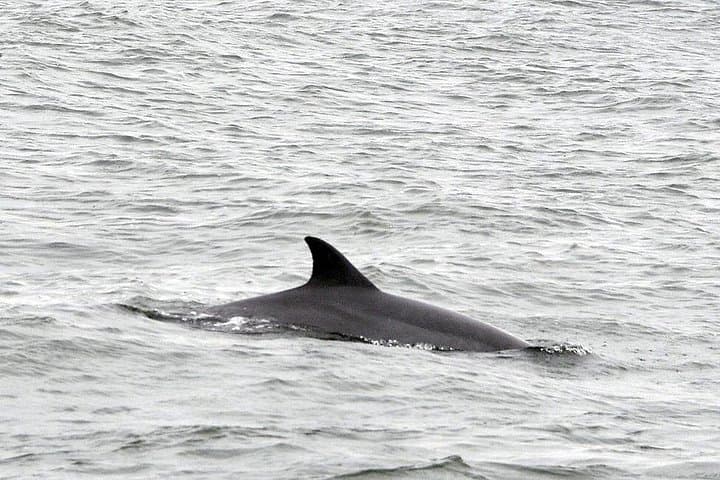
The setting matters. Calabash sits on the border of North Carolina and South Carolina, a low-lying coastal town whose identity is tied to the water. The surrounding estuaries and the nearby Intracoastal Waterway create rich feeding grounds where bottlenose dolphins are frequently sighted, often in family pods. These dolphins are curious and social; they slice through wakes or ride bow waves, sometimes coming close enough for binoculars to resolve the barnacles on a pectoral fin.
Geologically this coast is young and flat, shaped by tides and storm pulses rather than mountain uplift. Marsh grasses and tidal creeks form the first line of defense and the first buffet for fish and crustaceans. The result is a compact food web: baitfish, shrimp, and small schooling species concentrate nearshore, and dolphins follow. In early morning light, the whole scene looks almost pale—ivory sandbars, satin water, and the silvery flashes of dolphin backs.
Calabash is also a cultural node. The town lent its name to the Calabash-style of seafood—lightly battered, quickly fried—and its waterfront has long been a working one. You’ll see shrimping boats and private skiffs tied to fingers of pier; boat captains who run these tours grew up on these waters and read them like living maps. They’ll tell you where the pods have been most active, point out migratory sea birds, and explain the local etiquette: keep distance, don’t try to touch, and respect the rhythms that let the wildlife come close on their terms.
This cruise sits in a practical window of accessibility: two hours is long enough to find wildlife but short enough that sea sickness is manageable and toddlers stay interested. The best time to go is in the warmer months when dolphin activity increases and visibility is high, though off-season trips can bring quieter, reflective light and different birdlife. Expect a boat that prioritizes comfort and sightings over high-speed thrills—this is a nature encounter, not a thrill ride.
What to expect: Bottlenose dolphins are the star attraction, often in pods of a half‑dozen to several dozen. You may also see sea turtles rolling at the surface, wading birds on the marsh edges, and the occasional seal or ray. Captains will cruise slowly through estuaries and cast a wider net into the channel if the weather permits. Being patient pays off; some of the most memorable moments are slow, quiet stretches that end with a sudden flurry of activity: a pod cutting a bow wave, calves popping up like corks, or a distant breach that rearranges every camera on deck.
Practical edge: bring a small daypack, binoculars, motion-sickness remedies if you’re sensitive, and a camera with a zoom lens or steady point-and-shoot settings. Sun protection is essential—reflective water amplifies UV—and mornings can be breezy, so a light windbreaker is useful. Arrive a few minutes early for boarding and to secure a good rail spot if you want unobstructed views.
Why book it: At the heart of this short cruise is a simple proposition—spend time where the animals are, with people who know how to find them. It’s low-commitment but high-return: two hours of attentive watching often yields multiple dolphin encounters, and the compact size of the trip makes it ideal as a half-day activity alongside beaches, fishing charters, or a lobster roll back at town. The trip is approachable for a wide range of travelers and offers a clear, immediate reward: the sight and sound of wild dolphins in the Atlantic, close enough to make you recalibrate what the coastline feels like.
This is not a promise of guaranteed sightings—wild animals are, by nature, unpredictable—but it is a consistently good venue with experienced operators who know the waterways and the animal patterns. The cruise leaves you with practical memories: salt on your skin, the creak of a boarding ramp, the catalog of dolphin behavior you now recognize. It’s short, local, and restorative: the kind of outing that reminds you why you travel to coasts in the first place.
Trail wisdom
Small choices, better day.
Pick morning departures
Dolphins are most active in the cooler hours; morning trips also have calmer seas and softer light for photos.
Bring motion-sickness remedies
Short cruises still have chop—prevent discomfort with patches, pills, or ginger chews.
Use binoculars and a zoom lens
Binoculars make identifying individuals easier while a zoom helps isolate action without getting too close.
Dress in layers
On-deck wind can be cooler than shore; a light windbreaker keeps you comfortable through the outing.
Local knowledge
Read the place, not just the route.
Watch for native species including Bottlenose dolphin, Sea turtles.
Keep an eye out for wildlife during the transition between areas and habitats. Respect distance guidelines.
Keep distance from wildlife, never feed dolphins, and use reef-safe sunscreen to reduce chemical runoff into fragile coastal ecosystems.
Follow the guide's instructions on size limits, ethical handling, and leave-no-trace practices.
Sunset Beach fishing pier and tidal creeks for low-key wildlife viewing. Nearby Bald Head Island day trips for different coastal habitats
Locally recommended viewpoints and quiet spots known best to local operators.
Calabash has a long coastal fishing heritage and lent its name to the regional Calabash-style of lightly battered fried seafood.
Maritime roots and regional tradition shape the waterways and working coasts.
Seasonal guide
Four versions of the same landscape.
Spring
Best forMigratory shorebirds · Calmer spring mornings
ChallengesVariable weather · Cooler water temperatures
Spring brings migratory birds and quieter docks; dolphin sightings remain common but weather can be changeable.
Summer
Best forHigh dolphin activity · Warm water and long days
ChallengesCrowds · Stronger sun and heat
Summer is peak season for dolphin activity and sunny conditions—sun protection and early departures are key.
Fall
Best forGolden light for photos · Fewer tourists
ChallengesHurricane season tail risk · Cooling waters
Fall offers great light and thinner crowds; keep an eye on seasonal storms when booking.
Winter
Best forQuieter trips · Different bird species
ChallengesCooler temperatures · Less predictable wildlife patterns
Winter trips are quieter and can be very peaceful, though you should dress warmly and expect brisk winds.
Operator details
What the booking data adds.
Included
- ✓Boat Ride
- ✓Onboard Restrooms
Not included
- —We kindly ask guests to consider a customary gratuity for our crew, typically between 15% and 20%.
Good to know
- ✓Wheelchair accessible
- ✓Infants and small children can ride in a pram or stroller
- ✓Public transportation options are available nearby
- ✓Suitable for all physical fitness levels
- ✓Essentials: Layered, comfy clothing, non-slip shoes, sun protection (hat, SPF, sunglasses), and a camera or smartphone.
- ✓Optional: Light snacks and water (or purchase onboard), a small cooler, and seasickness meds if needed.
- ✓Leave Behind: Glass containers and large bags—space is limited!
Pack with intention
What to bring.
Good to know
Common questions.
The cruise is two hours from boarding to return, normally with several stops to look for and observe wildlife.
Plan the edges
The details that make the day easier.
Calabash gave its name to the regionally famous Calabash-style seafood, a lightly battered and fried preparation that originated in this coastal town.
After the cruise, head to Calabash or nearby Sunset Beach for fresh seafood shacks serving Calabash-style fried fish and shrimp. Walk the waterfront, sample local craft beers, or visit a seaside gallery to connect the marine experience to the town’s culinary and cultural scene.
- Closest airport
- Myrtle Beach International Airport (MYR) ~25–30 miles. Driving distance from Myrtle Beach: ~20–30 minutes depending on traffic. Cell service: generally good near shore; can be spotty offshore. Permits: none required for this commercial tour. Parking: public lots near the Calabash Waterfront; arrive early during peak season.
Do not feed or approach wildlife—professional guides prioritize safe viewing distances. Use reef-safe sunscreen, pack out trash, and support operators that follow responsible wildlife viewing guidelines.
Explore by topic
Follow the threads.
Keep exploring
Make the story part of the trip.
Set out from Bass Harbor for a private, customizable day on Blue Hill Bay — lighthouses, puffins, seals, and the chance to feel Acadia from the water. Small groups, local captains, unforgettable views.
In four hours you can move from shaded canyon ferns to wind-scoured coastal ridgelines, guided by someone who knows where the light—and the hidden views—live. This private half-day hike on the Monterey Peninsula or Big Sur is compact, curated, and perfect for travelers who want depth without a multiday commitment.
 Related story
Beneath a sky of shifting light, Skaftafell’s ice reads like a map of time. This three-hour guided glacier hike mixes technical instruction with geology and culture: compact, safe, and unforgettable.