
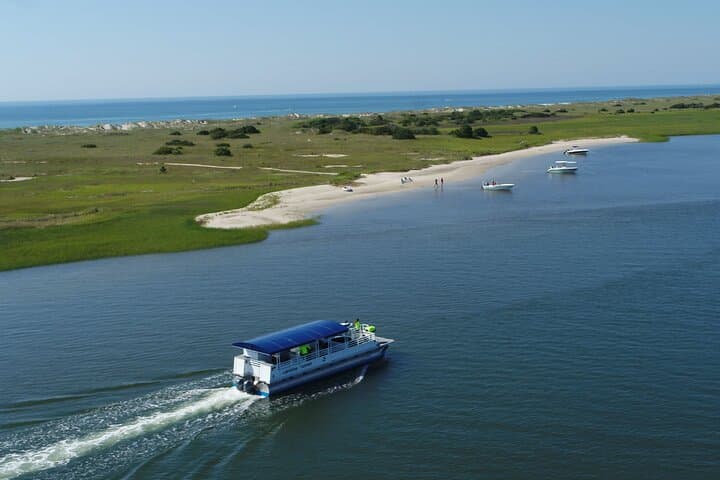
What the day feels like
The Carolina Runner slips its lines and the mainland blurs. Salt and diesel mix in the cold air; the wake unrolls like a ribbon, daring you toward a stretch of sand where footprints are few and the dunes keep their own counsel. In the two hours between harbor and shore—and back again—Masonboro Island feels less like a destination than a reclamation. The boat’s LED lights and Bluetooth soundtrack are a reminder that this is a modern pleasure trip, but the island itself is stubbornly old: a slice of barrier coast where sea oats hold firmer than any cellphone signal and the ocean keeps turning over shells like a compulsive cleaner.
This is not a long-haul expedition. The trip advertised as the Island Hopper Cruise in Wrightsville Beach runs two hours and centers on a short hop from the mainland to Masonboro Island and Money Island. The vessel, the Carolina Runner, is built for groups—bar, modern toilet facilities, a loading ramp for easy shore access—and it carries up to 40 people. That makes the excursion equal parts party boat and field trip: families pulling buckets and trowels, birders with bins on their shoulders, and couples who’ve come for a stretch of quiet sand.
Masonboro Island is one of North Carolina’s best-kept coastal systems: a largely undeveloped barrier island that reads like a natural primer in shifting geology. Barrier islands are born of wind and tide—sand accumulates, dunes grow, then an inlet rearranges the architecture overnight. Masonboro’s beaches, dunes, tidal flats, and maritime forest are part of the state’s coastal reserve network, a living laboratory where native grasses and migrating shorebirds get a chance to outlast the next storm. Walk a few hundred yards and you’ll find shells the size of teaspoons, schools of minnows reflecting the sun like coins, and a silence that feels deliberate.
Culture here is coastal and small-town. Wrightsville Beach and nearby Wilmington sit within a few miles of the launch point, and the local rhythm is fishing mornings, kayak afternoons, and casual seafood suppers at sunset. Onshore, communities read the coast closely—fishermen calibrate by tide charts, lifeguards watch for rips, and families teach kids how to spot a sand dollar rather than a smartphone notification. Taking an [Island Hopper Cruise to Masonboro Island](https://app.advcollective.com/local-experts/island-hopper-cruise-to-masonboro-money-island-from-wrightsville-beach) is as much a local rite as a tourist outing; you’re joining a long line of people who come to this coast to reset.
Why you’d go: it’s accessible, scenic, and efficient. You don’t need to be a hardened outdoor pro to step off the boat and sink your toes into a protected stretch of beach. The mix of wildlife-watching (shorebirds, dolphins offshore), shelling, and the rare chance to walk an undeveloped barrier island within a two-hour window is unusually generous. Add the Carolina Runner’s amenities and a $50 starting price, and it’s an approachable coastal day trip for many travelers.
Practicalities you should know: the cruise is about 120 minutes total, so plan for a short but focused visit—the boat time includes the ride and shore landing. The craft’s loading ramp makes access easy, but the shore is natural: dunes, tidal wrack, and soft sand. There are no formal trails or food services on the island, so pack water and shade. Tides matter; low tide opens tidal flats and shelling prospects, while high tide compresses the beach and can limit your shoreline exploration. The company offers free cancellation and instant confirmation, which makes last-minute planning forgiving.
Safety and stewardship are simple but non-negotiable: leave no trace, don’t disturb nesting birds (especially in spring and early summer), and respect protected habitats. Masonboro sits within protected coastal systems, so follow any on-board guidance from the crew and local regulations. If you plan to swim, scout currents and enter the water with caution—this is open ocean and longshore currents do the moving.
Timing your visit: mornings are cooler, quieter, and better for bird activity; afternoons bring warmer light for photography and more social crowds. Summer is peak season for warm water, but spring and fall offer better bird migration and fewer people. If shell-hunting is your main goal, check tidal charts and aim for a receding tide.
How to make the most of two hours: bring a good sun hat, a collapsible bucket for shells, a compact pair of binoculars for shorebirds, and a durable water bottle. Wear shoes you can shake sand out of. Bring a wind layer in shoulder seasons—offshore breezes can go from pleasant to brisk fast. Above all, set expectations: this is a quick but rich slice of the barrier island experience, not an overnight remote camping trip.
For photographers, the island rewards disciplined shooting: the low-angle light at golden hour amplifies the textures of dunes and rippled sand; wide lenses frame the long coastline and sky, while a modest telephoto pulls shorebirds into decorative portraits. Keep lenses clean—sand is the enemy—and keep shots simple: horizon, wave, and a subject make a strong sequence.
You’ll return to Wrightsville Beach with sun on your forearms, sand in hidden pockets, and a clearer sense of why North Carolina’s coast draws people back. The trip is practical, social, and elemental: two hours that remind you how quickly the ocean can rewrite your day’s script. If you want an extended stay, the same waters push you toward longer paddles, local fishing charters, and a deeper study of the dunes—but for a compact transmission of coastal character, the Island Hopper Cruise does the job cleanly and well. Book a morning slot, bring water and a curious pair of eyes, and let the island do the rest—nature will take the lead, and you’ll be glad you followed.
Trail wisdom
Small choices, better day.
Mind the Tides
Check local tide charts before you go—low tide exposes shelling flats and high tide compresses the beach.
Pack Sun Protection
Bring sunscreen, a hat, and a lightweight layer—the wind off the water can intensify sun exposure.
Use a Reusable Water Bottle
There are no services on the island; carry at least 1–2 liters per person to stay hydrated.
Leave the Dunes Intact
Stay off marked dune vegetation to protect fragile habitats and avoid fines in protected areas.
Local knowledge
Read the place, not just the route.
Watch for native species including Royal Terns, Bottlenose Dolphins.
Keep an eye out for wildlife during the transition between areas and habitats. Respect distance guidelines.
The island is part of coastal reserve and protected-area efforts—visitors should practice leave-no-trace to preserve shorebird habitat and dune vegetation.
Follow the guide's instructions on size limits, ethical handling, and leave-no-trace practices.
Money Island sandflats for low-tide exploration. Nearshore dolphin sightings often occur within view of the landing point
Locally recommended viewpoints and quiet spots known best to local operators.
Masonboro Island formed over centuries through longshore drift and storm action and remains one of the larger undeveloped barrier islands near Wilmington.
Maritime roots and regional tradition shape the waterways and working coasts.
Seasonal guide
Four versions of the same landscape.
Spring
Best forShorebird Migration · Cooler Weather · Shelling After Storms
ChallengesVariable Weather · Breeding Season Restrictions
Spring brings active bird migrations and pleasant temperatures, but expect wind and occasional restrictions to protect nesting birds.
Summer
Best forWarm Water Swimming · Long Beach Days · Family Outings
ChallengesCrowds · Strong Sun · Heat
Summer is peak season for swimming and family visits; plan for sun protection and earlier bookings to avoid crowds.
Fall
Best forQuiet Beaches · Mild Weather · Great Light for Photos
ChallengesShortening Days · Cooler Water
Fall offers fewer people and crisp light—ideal for photography and calmer exploration of tidal flats.
Winter
Best forStorm-Watching · Solitude · Dramatic Skies
ChallengesCool Temps · Occasional Service Reductions
Winter is quieter and rawer—bring warm layers; the island’s shape and drama show best under stormy skies.
Operator details
What the booking data adds.
Included
- ✓Bottled water
Good to know
- ✓Infants and small children can ride in a pram or stroller
- ✓Service animals allowed
- ✓Suitable for all physical fitness levels
Pack with intention
What to bring.
Good to know
Common questions.
The cruise is approximately 120 minutes total, including the boat transfer to Masonboro Island and shore time.
Plan the edges
The details that make the day easier.
Masonboro Island is part of the North Carolina coastal reserve system and is one of the largest undeveloped barrier islands near Wilmington, providing critical habitat for migratory shorebirds.
After the cruise, head to Wrightsville Beach or downtown Wilmington for fresh shrimp and a cold beer—try local seafood spots along Causeway Drive or catch sunset views and craft brews at nearby Oceanic or Wrightsville Beach breweries.
- Closest airport
- Wilmington International Airport (ILM); Launch point: Wrightsville Beach marina
- harbor (short drive from Wilmington); Driving distance from Wilmington
- ~15 minutes; Cell service: good on mainland, limited on island; Permits: none for day use, but follow protected-area rules.
This stretch of coast is part of protected coastal reserve efforts—pack out all trash, stay off dune vegetation, and avoid disturbing nesting birds to keep habitats healthy.
Explore by topic
Follow the threads.
Keep exploring
Make the story part of the trip.
 Related story
Less than two hours from Nairobi, Kereita Forest pairs hands-on canopy adventure with quiet montane trails and a sobering colonial history—perfect for families, teams, and curious travelers seeking a full-day pulse of nature.
Set out from Bass Harbor for a private, customizable day on Blue Hill Bay — lighthouses, puffins, seals, and the chance to feel Acadia from the water. Small groups, local captains, unforgettable views.
In four hours you can move from shaded canyon ferns to wind-scoured coastal ridgelines, guided by someone who knows where the light—and the hidden views—live. This private half-day hike on the Monterey Peninsula or Big Sur is compact, curated, and perfect for travelers who want depth without a multiday commitment.