
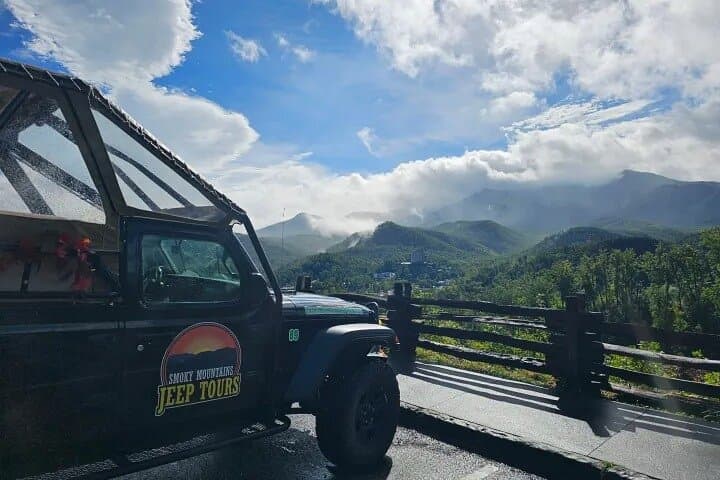
What the day feels like
The jeep’s tires whisper on gravel and the mountains answer. A morning mist still clings to the hollows, turning the ridgelines into a layered watercolor, and your guide eases the rig onto a narrow road that peels away from Pigeon Forge and climbs into the Great Smoky Mountains as if someone has flipped a slow-motion switch. For travelers short on time or anyone who wants the park’s emotional highlights without the miles underfoot, the Smokies Adventure Loop Jeep Tour compresses what feels like a day’s worth of discovery into a brisk, two-hour route—equal parts scenic drive, roadside natural history lesson, and photo safari.
The tour trades hiking boots for a seat with a view, but the tradeoff is far from passive. You stop at overlooks where fog curls through the valleys like ghostly rivers daring the morning light to catch up. You stand at the edge of laurel-thick hollows and find yourself face-to-face with the region’s lived-in past: weathered log cabins, stone chimneys that outlasted the houses they once warmed, and markers that tell a story of Appalachian resilience. A good guide will point out not just the best places to take pictures, but why this place looks the way it does—the ridge-and-valley topography shaped by ancient uplift, the legacy of chestnut blight and selective logging, and the conservation fight that saved these slopes for the public in the 1930s.
Geology and weather play supporting roles. The Smokies are old—older than the Rockies—and their rounded summits are the result of time. Granite and metamorphic bedrock rise into broad crests and steep coves, catching clouds that wring themselves out into the park’s many streams. In spring, those streams ask you to notice them with a rush of meltwater. In fall, the mountains become a quilt of color that draws photographers from across the country. Even on a short loop, you witness the park’s seasonal personality change like scenes in a film.
The cultural pulse here is subtle but constant. Small mountain communities clustered nearby—Pigeon Forge and Gatlinburg—were once dependent on timber and milling. Today they welcome visitors with craft shops and down-home restaurants; their economies are tied to the park’s enormous popularity. A jeep tour is a low-impact way to experience the park’s spine while supporting local guides who often grew up on stories of these ridges and can translate them into human-scale narrative.
Practical matters: this is a motorized, guided experience designed for first-time visitors and people with limited time. The total tour runs roughly two hours and includes multiple short stops for photos and short walks from the vehicle. You won’t hike miles of trail, but you will exit the jeep—so bring footwear you can step out in, and dress in layers for changing temperatures.
How to get the most from the loop: aim for early morning light or late-afternoon warmth. The park is the nation’s most visited—traffic is real in peak months—so avoid mid-day crowds when possible. Bring binoculars for wildlife; black bears, white-tailed deer, and the occasional elk move through lower elevations, and a keen eye will reward you. Also, remember that these mountains are weather-driven: a clear morning can turn misty by midday, and that mist is part of the Smokies’ charm.
For photographers, composition matters more than gear: use foreground branches or a weathered fence to anchor sweeping valley shots, and a telephoto will compress those layered ridges into dramatic bands of color. Guides usually know the best pulls to stop at, but if you see a low-traffic overlook, claim it politely—light changes fast.
Safety and etiquette are straightforward. Stay with the group, listen to your guide’s instructions when stopping roadside, and never approach or feed wildlife. The park is protected land; respecting regulations preserves wildlife behavior and keeps the experience authentic for future visitors.
This jeep loop works as a standalone half-day outing or a primer before an overnight stay. It helps orient your next move—perhaps a longer day hike, a drive to Clingmans Dome for panoramic elevation, or an evening in Pigeon Forge sampling regional food and music. For anyone wanting to feel the high-country air without the hours on trail, this kind of motorized loop delivers the Smokies’ highlights with the immediacy of being right there—ravine, ridge, and river—while still leaving room to plan a deeper return.
At the end of two hours you’ll step back into town with mountain views still in your peripheral vision and a better sense of why people keep returning to these hills. The jeep has put miles between you and your day-to-day, but it also concentrates the park’s story into a digestible, vivid reminder: the Smokies are a place of slow geological patience, fast-changing weather, and an enduring human relationship with the land. If you’re curious, short on time, or traveling with family, this loop is a smart, efficient way to meet those mountains and leave wanting more.
Trail wisdom
Small choices, better day.
Dress in layers
Temperatures change quickly with elevation; a light fleece and a windbreaker will keep you comfortable during stops.
Bring binoculars
Small mammals and birds are easier to spot from overlooks; a compact pair improves viewing without adding bulk.
Arrive early
Morning light reduces crowds at popular pullouts and often brings clearer views and active wildlife.
Respect wildlife
Never feed or approach animals—keep distance for your safety and the animal’s wellbeing.
Local knowledge
Read the place, not just the route.
Watch for native species including Black bear, White-tailed deer.
Keep an eye out for wildlife during the transition between areas and habitats. Respect distance guidelines.
Great Smoky Mountains National Park is a UNESCO World Heritage Site and International Biosphere Reserve—stay on roads, pack out trash, and never feed wildlife to protect fragile ecosystems.
Follow the guide's instructions on size limits, ethical handling, and leave-no-trace practices.
Foothills Parkway overlooks for broad panoramic shots. Little River Road for quiet streams and historic mill sites
Locally recommended viewpoints and quiet spots known best to local operators.
The park was established in 1934 after decades of logging and land acquisition; many roadside cabins and chimneys you’ll see are relics of that earlier settlement.
Maritime roots and regional tradition shape the waterways and working coasts.
Seasonal guide
Four versions of the same landscape.
Spring
Best forWildflower displays · Waterfalls · Migratory birdwatching
ChallengesMud on lower roads · Unpredictable showers
Spring brings waterfalls and wildflowers; expect cool mornings and afternoon showers—dress for wet footing on short walks.
Summer
Best forLush forests · Long daylight hours
ChallengesHeat in lower valleys · Higher visitor numbers
Summer offers full-green canopies and long days, but be prepared for warm valley temps and crowded overlooks at peak times.
Fall
Best forPeak foliage viewing · Crisp air · Photography
ChallengesHeaviest crowds · Limited parking at overlooks
Fall is prime for color; book early and aim for early morning departures to beat traffic and secure the best stops.
Winter
Best forCrisp, clear vistas · Fewer tourists
ChallengesIcy roads at higher elevations · Colder temperatures
Winter delivers clear views and solitude, but higher overlooks can be icy—operators may adjust routes for safety.
Operator details
What the booking data adds.
Included
- ✓Guide is also the Jeep Driver
Not included
- —Gratuities are NOT included in this price.
- —We charge 18% gratuity on parties of 6 or more at time of check in
Good to know
- ✓Service animals allowed
- ✓Suitable for all physical fitness levels
- ✓Guests will need to provide a car seat for any children 5 years or younger.
- ✓Total Duration time of tour is 2 hours.
Pack with intention
What to bring.
Good to know
Common questions.
The tour lasts approximately two hours and includes multiple short stops for photos and brief walks from the vehicle.
Plan the edges
The details that make the day easier.
Great Smoky Mountains National Park is the most visited national park in the United States, regularly receiving over 12 million visitors a year and is also a UNESCO World Heritage Site.
After the loop, head to Pigeon Forge’s Old Mill for Southern comfort food or try Gatlinburg’s pancake houses; local craft shops and live bluegrass are everywhere—pair the scenic ride with a smoky barbecue dinner or a brewery taproom to round out the evening.
- Closest airport
- McGhee Tyson Airport (TYS) in Knoxville (~45 miles
- 1–1.25 hours); Meeting point
- Pigeon Forge; Typical drive from Gatlinburg: ~12–20 minutes; Cell service: intermittent in higher elevations; Permits
- passes
- No park entrance fee—operator manages roadside access.
This tour travels through a UNESCO-protected ecosystem—pack out all trash, stay on designated pullouts, and do not feed wildlife to reduce human-wildlife conflicts.
Explore by topic
Follow the threads.
Keep exploring
Make the story part of the trip.
 Related story
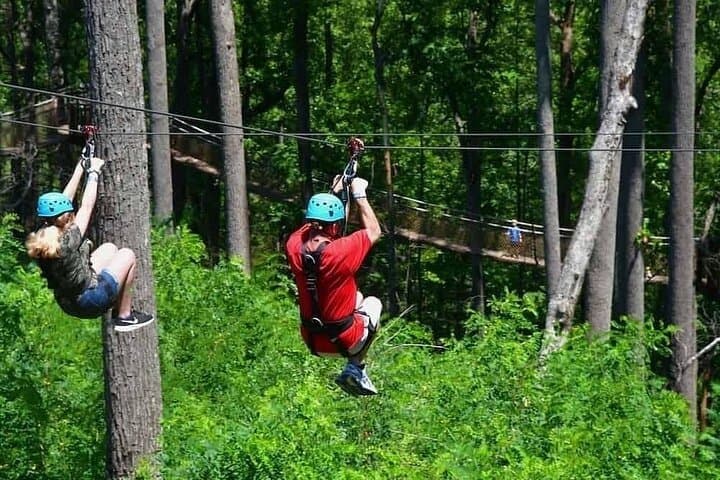
Less than two hours from Nairobi, Kereita Forest pairs hands-on canopy adventure with quiet montane trails and a sobering colonial history—perfect for families, teams, and curious travelers seeking a full-day pulse of nature.
Set out from Bass Harbor for a private, customizable day on Blue Hill Bay — lighthouses, puffins, seals, and the chance to feel Acadia from the water. Small groups, local captains, unforgettable views.
In four hours you can move from shaded canyon ferns to wind-scoured coastal ridgelines, guided by someone who knows where the light—and the hidden views—live. This private half-day hike on the Monterey Peninsula or Big Sur is compact, curated, and perfect for travelers who want depth without a multiday commitment.