
What the day feels like
The bus smells faintly of wet neoprene and coffee. You ease into a vinyl seat and watch town blur into sycamore and tobacco fields as the driver steers toward the put-in. At the take-out your car waits, keys in the ignition, a map folded in the glove box — but for the next 48 hours you surrender to the river’s slow timetable. The James rolls, eddies, and nudges; it rearranges your day the way a good editor rearranges a paragraph — trimming frantic lines and opening long spaces for noticing.
This is a family-run overnight float that strips down paddling to the essentials: a quiet start, a steady downstream drift, and a place to camp beneath the oaks. The company that runs this trip has been in operation since 1992, and the logistics reveal that kind of seasoned efficiency: shuttle service to the put-in; paddles, cushions, and life jackets provided; trash bags to leave no trace; and a simple instruction to bring your own tent and sleeping kit. The trip runs April 1 through September 10, and it’s explicitly pet-friendly — the dog at the bus’s rear will confirm that tail-wagging approval.
Geologically, the James is patient rather than theatrical. Formed where upland runoff meets older Piedmont slopes, it threads narrow riffles and broader pools, alternating polished rock shelves with lazy sandbars. Sections of this river have seen mill wheels and flatboats; along its banks, you’ll paddle past stone foundations and shrines to a bygone agriculture powered by its current. Culturally, the James has always been an artery — for commerce, for migration, and now for weekend escape. Small towns dot the riparian edge; Charlottesville’s market town influence is never far upstream, and local farmers still sell sweet corn by the roadside in July.
On the water, the James has a personality. It dares you into shallow seamlines and steers you around fallen sycamores. Currents push but do not bully, with enough speed to make downstream progress satisfying without demanding technical strokes. Campsites are simple: grassy ledges and tree-shaded banks where you can stake a tent and hang a bear bag if needed. By night, the river’s sound is a baseline, a constant you either listen to or learn to sleep against.
When to go and what to expect: spring brings higher water and lush green banks, early summer is reliably warm and low-water windows reveal more sandbars for afternoon naps, and September’s shoulder-season offers quieter rivers and cooler nights. This overnight is approachable for a wide range of paddlers — families with older kids, couples looking to disconnect, and groups who prefer unhurried travel over whitewater thrills.
Practicalities are simple and where this trip shines. Meet at the rental office, follow the shuttle to the take-out to park your vehicle, then ride back to the put-in. Paddle downstream, float, and end where you began. Because the service provides paddles, life jackets, and flotation cushions, your checklist is primarily camping-focused: tent, sleeping system, stove, and food. Children under 7 must wear life jackets — a safety rule that’s enforced and enforced kindly. Dogs are welcome, but bring a leash and a plan for cooler paddling days: four-legged friends can tire in the sun.
Safety and comfort hinge on a few small choices. Choose a canoe if you want stability and room for gear; a kayak gets you lower to the water and more nimble handling. Time your trip to avoid midday heat in July — mornings and evenings are when the river feels its best. Pack water purification, and hydrate: the shuttle takes you to the put-in but there’s no potable water along much of the route unless you carry it.
For photographers and nature-watchers, the James rewards patience. Early morning light melts through mist; herons quarter the shallows; kingfishers flash like punctuation marks. Move slowly along eddies and you’ll notice micro-scenes: a turtle sunning on a log, a fox scenting the bank, or a stonefish glinting in the riffle. Keep your lens ready and your presence minimal.
Logistics-wise, the trip is forgiving. Shuttle schedules are built around float timings, transport is included in the rental, and the staff are accustomed to helping groups and beginners. Camping gear is not included, so treat the rental as a boat-and-service package, not an all-in-one outfitter weekend. That simplicity is part of the appeal: you manage the camp, the river does the rest.
If you want to extend the experience, plan a two-night loop by splitting the float into shorter segments or adding upstream day paddles. Also, be sure to check conditions before you go — spring runoff can alter travel times, and drought can expose more rocks than a novice would appreciate.
One practical tip that keeps the trip joyful: pack your food in a single, waterproof duffel per boat. That way, gear is organized, weight is centralized, and setting up camp feels like a small, efficient ritual rather than a scramble. The rental’s inclusion of trash bags nudges you toward one of the trip’s simplest rules — leave it better than you found it.
For booking and local details, the company’s page is where the logistics live: their James River canoe rental listing lays out rates, dates, and exact shuttle notes. Plan for 48 hours of slow time, a few good meals cooked over a camp stove, and a river that asks you only to listen.
Trail wisdom
Small choices, better day.
Pack a waterproof duffel
Store all sleeping gear and clothes in one waterproof bag to keep gear dry and make loading/unloading easier.
Start early
Morning launches avoid afternoon heat and give the river a quieter, bird-rich atmosphere.
Distribute weight low and centered
Load heavy items in the center of the canoe to improve tracking and stability.
Bring a headlamp and spare cord
Evenings at camp move quickly—have reliable light for cooking, getting into your tent, and quick trips to a latrine.
Local knowledge
Read the place, not just the route.
Watch for native species including Great Blue Heron, Turtle species (e.g., painted turtle).
Keep an eye out for wildlife during the transition between areas and habitats. Respect distance guidelines.
Practice Leave No Trace: use provided trash bags, camp on durable surfaces, and avoid disturbing shoreline habitats to protect sensitive riparian zones.
Follow the guide's instructions on size limits, ethical handling, and leave-no-trace practices.
Undeveloped sandbars for afternoon naps. Small historical stone foundations visible from the riverbanks
Locally recommended viewpoints and quiet spots known best to local operators.
The James River has long been a transportation and trade corridor in Virginia; remnants of 19th-century mills and flatboat routes can still be seen along certain banks.
Maritime roots and regional tradition shape the waterways and working coasts.
Seasonal guide
Four versions of the same landscape.
Spring
Best forHigher flows for easy downstream travel · Wildflowers and migrating birds
ChallengesCool nights · Possible higher currents after storms
Expect brisk mornings, faster flows, and green banks; an excellent time for birding but check water levels after heavy rains.
Summer
Best forWarm swimming stops · Long daylight for leisurely paddling
ChallengesHeat and sun exposure · Lower water levels in late summer
Warm days and perfect swimming holes; avoid midday heat and monitor water depth during droughts.
Fall
Best forCrisp air and fall color · Quieter weekends
ChallengesCooler nights · Shorter daylight hours
Autumn offers cooler paddling and colorful riparian trees—pack warm layers for nights under the stars.
Winter
Best forNot available
ChallengesTrip not offered; colder conditions
The operator runs this trip April through early September; winter conditions are outside the scheduled season.
Pack with intention
What to bring.
Good to know
Common questions.
No formal experience is required; basic paddling and an ability to sit in a canoe or kayak for several hours is sufficient. Staff provide orientation before launch.
Plan the edges
The details that make the day easier.
The James River is the longest river entirely within Virginia, flowing roughly 348 miles from the Allegheny Mountains to the Chesapeake Bay.
After your float head into Scottsville or nearby Charlottesville for a locally brewed beer and a farm-to-table meal—small town cafés and Charlottesville’s dining scene make a satisfying bookend to the river’s slow day.
- Closest airport
- Charlottesville–Albemarle (CHO) ~30–40 minutes; Driving distance from Scottsville to put-in: short shuttle ride; Cell service: intermittent on river; Permits: none typically required—confirm with operator.
Use the provided trash bags, pack out what you bring, and camp on durable surfaces to protect riverbanks and aquatic habitats.
Explore by topic
Follow the threads.
Keep exploring
Make the story part of the trip.
Set out from Bass Harbor for a private, customizable day on Blue Hill Bay — lighthouses, puffins, seals, and the chance to feel Acadia from the water. Small groups, local captains, unforgettable views.
In four hours you can move from shaded canyon ferns to wind-scoured coastal ridgelines, guided by someone who knows where the light—and the hidden views—live. This private half-day hike on the Monterey Peninsula or Big Sur is compact, curated, and perfect for travelers who want depth without a multiday commitment.
 Related story
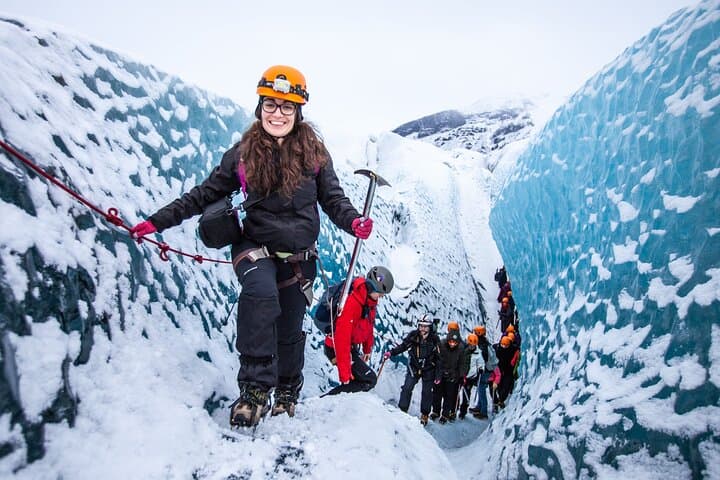
Beneath a sky of shifting light, Skaftafell’s ice reads like a map of time. This three-hour guided glacier hike mixes technical instruction with geology and culture: compact, safe, and unforgettable.