
What the day feels like
The first breeze slides in from the islands, cool and salted, teasing the telltales and ruffling the water into cat’s paws that sprint toward shore. Gulls scout the breakwater. Mount Baker watches from the east, bright as a sail. Out on Bellingham Bay, the wind doesn’t just arrive—it nudges, dares, and then commits, pushing you to sheet in, lean back, and let the dinghy surge. This is the rhythm here: trim, tack, repeat. And before you so much as push off, you’ll prove you’re ready for it.
A dinghy rental on Bellingham Bay begins with a gatekeeper: the Skills Test. It’s not a bureaucratic hurdle; it’s a pact between you, the boat, and the bay. You can pass by taking an on‑the‑water assessment with an instructor or by completing a refresher or intermediate sailing class and earning a passing grade. The test is boat‑specific—approval for a keelboat won’t automatically unlock a dinghy—and that nuance matters. Dinghies are lively. They accelerate quickly, reward clean trim, and, in a gust, will happily roll you right into a capsize drill if you’re not ahead of the boat. The assessment confirms what the bay will test again: you can rig efficiently, read wind, execute crisp tacks and jibes, recover from irons, and right a capsize without drama. It’s the kind of accountability that keeps the day fun.
Beyond the dock, Bellingham Bay unfolds like a training ground made for sailors. The water is part of the Salish Sea, an inland marine system that breathes with the tides and amplifies wind in the afternoon. Here, terrain shapes weather. Warm inland air draws steady westerlies off Rosario Strait on many summer days—enough to stand up small whitecaps that wink in the sunlight. You’ll often find smoother morning water for skills drills and livelier afternoon sessions that sharpen your reflexes. The shoreline cradles eddies; the currents tug at your centerboard like a coach reminding you to think two steps ahead. On good days, the wind feels persuasive rather than punishing—just the right push for sailors who want to improve.
The bay’s story runs deeper than the wind. These are Lummi and Nooksack homelands, waters navigated by Coast Salish peoples long before fiberglass hulls arrived. The shoreline still carries those layers of culture and use: shipbuilding and timber, fishing and ferrying, research and recreation. Look closely and you’ll spot eelgrass beds that shelter juvenile salmon, moon jellies pulsing like quiet metronomes, and harbor seals popping up with whiskered curiosity. Sailing here asks you to be both participant and witness—active in the elements, attentive to the life beneath the wake.
Most sailors launch close to Fairhaven, an historic district where red‑brick buildings slope down toward moorage and beaches. It’s a practical setup: clear launch corridors, quick access to open fetch, and obvious seamarks. For first outings after your Skills Test, consider a shoreline circuit—reach north with the breeze, hook a safe distance off rocky points, and run back under controlled sail. The bay rewards smart passage planning. Check the NOAA marine forecast, read the tide table, and visualize your route. When the wind freshens, your dinghy will talk to you: the tiller loads, the bow frets, and the mainsheet whistles. Ease to breathe, hike to balance, and remember that capsize recovery practice in controlled conditions pays off when a gust tries to fold you.
A rental here isn’t just for veterans. With the Skills Test in hand and the option of a refresher class, confident beginners and returning sailors can build real-world proficiency in a compact session. Short reaches give fast feedback; wind shifts teach anticipation; and a couple of hours offer more learning than a week of reading. If you want local intel, browse this guide to a dinghy rental experience in Bellingham—complete with planning pointers and local context—at <a href="https://app.advcollective.com/local-experts/seattle-dinghy-rental-bellingham-2" target="_blank" rel="noopener">this Adventure Collective local expert resource</a>. It’s a handy primer for understanding the rhythm of the bay and the basics of rigging, routing, and safety.
Timing is everything. On shoulder‑season mornings, you might see glassy water that slowly tickles into life; by mid‑afternoon in summer, expect 10–15 knots and a chop that flicks spray into your grin. The wind here carries a personality—encouraging, sometimes insistent, rarely dull. On days when it turns brash, a keelboat may be the smarter call, but when conditions align, dinghies make the bay feel close and immediate. You’re inches from the water, every gust telegraphed through the mainsheet, every wave tapping the hull with a reminder to stay loose and responsive.
If you’re planning the day around more than sailing, Fairhaven makes it easy. Grab a sandwich or croissant before rigging, stash a thermos to tuck beneath the thwart, and plan a post‑sail reward. The dock culture is mellow and helpful—ask questions, trade tips, and don’t be shy about practicing maneuvers in front of the moorage. The best sailors in the world look ordinary when they’re refining fundamentals. The bay respects that humility—and often returns it with a perfect breeze when you’re ready for a final reach.
By the time you unrig, the gulls may be settling down and the wind softening, the water relaxing its shoulders as if satisfied it put you through your paces. You’ll coil lines, check sheets for chafe, and smile at the new muscle memory already forming. You earned this session—by preparing, by passing your Skills Test, and by letting the bay teach you. If you’re ready to plot your own tack lines, start with the simple steps outlined via <a href="https://app.advcollective.com/local-experts/seattle-dinghy-rental-bellingham-2" target="_blank" rel="noopener">this Bellingham dinghy rental guide</a>, then bring that plan to the dock. The rest is wind, water, and your willingness to listen to both.
Trail wisdom
Small choices, better day.
Study the tides first
Bellingham Bay’s currents can nudge you off course. Check tide and current predictions and plan your route with a conservative upwind leg to start.
Rig with intention
Before launch, walk the lines from headboard to transom—no twists, no fouled cleats, and a clean vang/outhaul setup for the day’s wind.
Dress for spray
Even on warm days, the bay’s chop can soak you. Quick-dry layers and a windproof shell keep you warm enough to focus on boat handling.
Practice capsize recovery
Do a controlled capsize near shore with support around. Knowing your righting routine makes you faster and calmer when it counts.
Local knowledge
Read the place, not just the route.
Watch for native species including Harbor seals, Bald eagles.
Keep an eye out for wildlife during the transition between areas and habitats. Respect distance guidelines.
Eelgrass beds and intertidal zones here are sensitive; avoid grounding, keep clear of marine mammals, and pack out all trash to protect habitat.
Follow the guide's instructions on size limits, ethical handling, and leave-no-trace practices.
Sheltered practice laps along the Fairhaven shoreline during morning glass-offs. Post Point views at sunset where the bay’s last breeze tapers out
Locally recommended viewpoints and quiet spots known best to local operators.
Bellingham Bay sits within the Salish Sea, traditional waters of Coast Salish peoples, and has supported maritime trade, fishing, and boatbuilding for over a century.
Maritime roots and regional tradition shape the waterways and working coasts.
Seasonal guide
Four versions of the same landscape.
Spring
Best forRefresher sessions · Light-to-moderate wind practice
ChallengesCold water temps · Variable squalls
Crisp air and building thermal breezes return. Expect mixed conditions and dress warmly; choose conservative routes on gusty days.
Summer
Best forConsistent afternoon winds · Long daylight sessions
ChallengesStronger afternoon chop · Busier shorelines
The bay turns reliable with regular westerlies. Mornings are mellow; afternoons deliver 10–15 knots and playful waves.
Fall
Best forStable shoulder-season days · Skill-building in varied wind
ChallengesEarly sunsets · Sharp temperature drops
Clear skies and cool air bring tidy breeze and fewer crowds. Watch the forecast closely and bring an extra layer.
Winter
Best forStorm-watching from shore · Advanced training in controlled settings
ChallengesCold air and water · Frontal systems and strong winds
Only for experienced sailors with proper gear and oversight. Expect powerful systems and short, cold windows of opportunity.
Pack with intention
What to bring.
Good to know
Common questions.
Yes. You must pass a boat-specific Skills Test or complete an approved refresher or intermediate class with a passing grade before renting.
Plan the edges
The details that make the day easier.
The Salish Sea name was officially adopted by the Washington State Board on Geographic Names in 2009 and by the U.S. Board on Geographic Names in 2010, recognizing the interconnected waters that include Bellingham Bay.
After you rinse the salt off, head into Fairhaven for a celebratory pint at Stones Throw Brewery’s beer garden or a bay-view dinner at Keenan’s at the Pier. For casual bites, Boundary Bay Brewery downtown is a local institution, and Avenue Bread in Fairhaven stocks excellent sandwiches for a pre-sail picnic.
- Closest airport
- Bellingham International (BLI), ~20 minutes by car; SEA (Seattle-Tacoma) ~1.5–2 hours. Launch area near Fairhaven, roughly 10 minutes from downtown Bellingham. Cell service: generally good along shore, variable farther out. Requirements: boat-specific Skills Test approval, PFD required, check tides and NOAA forecast; parking can be limited on peak weekends.
This is Salish Sea habitat—avoid disturbing marine mammals, keep clear of eelgrass beds, and pack out all trash. Rinse gear to prevent the spread of aquatic invasives and follow local Clean Marina guidelines.
Explore by topic
Follow the threads.
Keep exploring
Make the story part of the trip.
Set out from Bass Harbor for a private, customizable day on Blue Hill Bay — lighthouses, puffins, seals, and the chance to feel Acadia from the water. Small groups, local captains, unforgettable views.
In four hours you can move from shaded canyon ferns to wind-scoured coastal ridgelines, guided by someone who knows where the light—and the hidden views—live. This private half-day hike on the Monterey Peninsula or Big Sur is compact, curated, and perfect for travelers who want depth without a multiday commitment.
 Related story
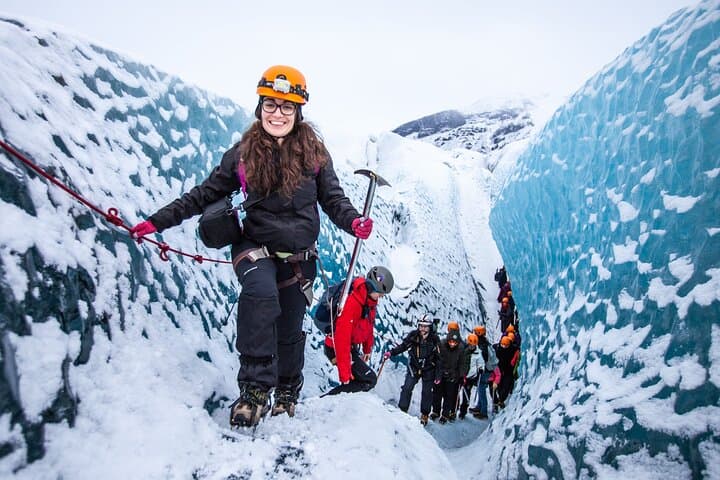
Beneath a sky of shifting light, Skaftafell’s ice reads like a map of time. This three-hour guided glacier hike mixes technical instruction with geology and culture: compact, safe, and unforgettable.