
What the day feels like
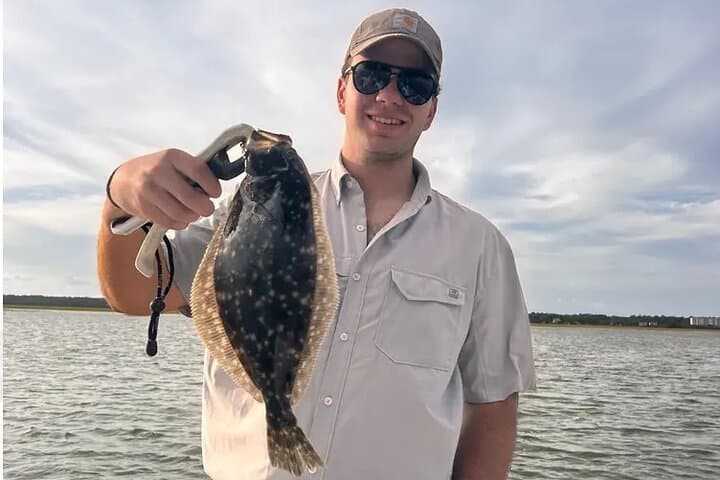
The horizon sits low and flat until the boat slips out of the marina and the Lowcountry unfolds—salt marshes stitched with creeks, oyster beds showing like teeth at low tide, and a sky that seems to tilt toward the water. On a 24‑foot Pathfinder with shallow‑water gear and a captain who reads tides the way others read maps, the afternoon is a carefully timed pursuit: stalking redfish through skinny creeks, teasing speckled trout from the deeper gutters, and dotting the horizon for the telltale wakes of flounder feeding along sandy flats. This is not big‑ocean gladiatorial sportfishing. It’s a conversation with the estuary, one that rewards patience, local knowledge, and a willingness to get close to the edge where land becomes water.
Afternoon Fishing Charters Little River SC is built for that conversation. The boat’s electronics—GPS, sonar, VHF—are tools, not crutches; they help find structure and fish in the maze of marsh islands and inlet sounds, but the captain’s eye for the tide line and calm water is what matters. The experience feels quintessentially Lowcountry: spare, ritualized, and generous. Gear is provided, no license is required, and the captain will clean and fillet your catch before you head back to the dock—practical niceties that make the afternoon an easy, full‑service way to sample inshore fishing.
Geology and tide shape everything here. The Grand Strand is a ribbon of barrier islands, jetties, and tidal creeks carved by the Atlantic and fed by the Intracoastal Waterway. Sediment from upriver sources builds shoals and flats; reefs and near‑shore wrecks create pockets where bait collects and predators wait. These features give anglers clear tactical choices—fish the edges of grass beds at incoming tide, run to the jetties for structure, or work the shallow creeks where redfish patrol. The tide is the throttle: a careful captain will time the trip so the bite coincides with the prime window for the species you want to target.
Culturally, Little River is a working coastal town with a long relationship to the sea. Shrimping, small‑boat fishing, and seafood processing have threaded local life for generations. The rhythm of the harbor—boats coming and going, fish cleaned on docks, dogfish and bait stacked in bins—remembers a practical dependence on fisheries that continues today. Respect that history: these creeks are both playground and pantry for local families.
Why go? For one, there’s the accessibility. An afternoon charter condenses a day of learning into four focused hours: you’ll learn to read the water, cast for inshore species, and come away with fillets ready to cook. It’s ideal for mixed groups—anglers who want to fish hard and companions who want scenic water time. The price reflects private service and professional equipment; think of it as guided access to a tactile classroom where the textbook is the tide.
Practical notes: afternoons catch better light but also heat—bring sunscreen and a brimmed hat. Motion sickness can surprise even experienced coastal travelers in confined creeks; if you are prone, take preventive medication before leaving shore. The ride is in shallow water, so footwear that can get wet and a small soft bag for your camera will keep things simple. Most importantly, listen to the captain about fish handling and release—properly handled fish survive at high rates, which keeps the fishery healthy for everyone.
The trip is a tidy marriage of experience and convenience. The captain picks the water—back creeks for redfish, sounds and wrecks for trout and flounder—sets you up with everything you need, and cleans your catch at the end. If you want to turn the afternoon into an evening, ask about timing a return so you can take fillets to a waterfront restaurant or a campsite for a cookout. If you’d like to book or learn more, the charter’s local page lays out specifics and availability: <a href="https://app.advcollective.com/local-experts/afternoon-fishing-charters-little-river-sc-inshore-lowcountry-adventure">Afternoon Fishing Charters Little River SC</a>.
When to go and what to expect: spring and fall are prime for active feeding as water temps moderate. Summer offers long days and consistent offshore warm water but can be hot; winter is quieter and better for fishermen who like solitude and willing to chase schooling fish in cooler conditions. The trip is beginner‑friendly but rewarding for anglers who want to sharpen skills like sight‑casting, working soft plastics around structure, and reading tide changes. Above all, remember the Lowcountry’s soft power: the sound of the boat engine dropping when you slip into a remote creek, the line hum when a fish takes, and the smell of salt and frying fish at the end of a successful day.
This charter is as much a coastal lesson as it is a fishing trip: it teaches you how the marsh breathes with the moon and the sun, how redfish move like shadows along grass edges, and how a captain’s intimate knowledge of a coastline turns a routine afternoon into an exacting, memorable pursuit. If you want a productive, low‑stressor way to experience the South Carolina coast—bring a camera, bring good shoes, and bring a willingness to learn—the <a href="https://app.advcollective.com/local-experts/afternoon-fishing-charters-little-river-sc-inshore-lowcountry-adventure">Afternoon Fishing Charters Little River SC</a> package is a practical, pleasurable way to see the Lowcountry from the water.
Trail wisdom
Small choices, better day.
Time the tide
Book the charter to coincide with an incoming or outgoing tide—your captain will pick the best window for inshore strikes.
Sun protection
Afternoon sun on the water intensifies—wide‑brim hat, SPF 30+ sunscreen, and polarized sunglasses are musts.
Prevent seasickness
If you’re prone to motion sickness, take medication before boarding and eat a light meal beforehand.
Know the return plan
Ask your captain about filleting and storage so you can plan dinner logistics or a cooler for the ride home.
Local knowledge
Read the place, not just the route.
Watch for native species including Bottlenose dolphin, Osprey.
Keep an eye out for wildlife during the transition between areas and habitats. Respect distance guidelines.
The tidal creeks are important nursery habitat for inshore species—practice proper catch handling, use circle hooks for release, and avoid bringing single‑use plastics aboard.
Follow the guide's instructions on size limits, ethical handling, and leave-no-trace practices.
Slip into the back creeks off the Intracoastal for quiet birdlife and isolated sight‑casting opportunities. Stop at the Little River waterfront after your trip for dockside seafood and local dock conversations
Locally recommended viewpoints and quiet spots known best to local operators.
Little River’s maritime economy—shrimping, oystering, and small‑boat fishing—has shaped its coastal culture for generations, and the inlet has long been a local working harbor.
Maritime roots and regional tradition shape the waterways and working coasts.
Seasonal guide
Four versions of the same landscape.
Spring
Best forActive redfish · Comfortable temps · Birdwatching
ChallengesUnpredictable weather · High freshwater runoff after storms
Spring brings consistent bites and comfortable temperatures—expect robust activity in tidal creeks and migrating birds.
Summer
Best forLong daylight · Nearshore species · Family trips
ChallengesHigh heat · Afternoon thunderstorms
Summer offers steady inshore fishing and long evenings, but bring sun protection and be prepared for quick storms.
Fall
Best forPrime feeding windows · Mild weather · Clear water
ChallengesIncreasing boat traffic on weekends
Fall often produces aggressive feeding as water cools—excellent for redfish and speckled trout.
Winter
Best forSolitude · Targeted colder-water species · Lower prices
ChallengesCooler water temps · Less predictable fish distribution
Winters are quieter and can be productive with the right tides—expect fewer boats and a more reflective trip.
Operator details
What the booking data adds.
Included
- ✓Fishing Gear
- ✓24ft Pathfinder Boat
Good to know
- ✓Service animals allowed
- ✓Public transportation options are available nearby
- ✓Not recommended for travelers with spinal injuries
- ✓Not recommended for travelers with poor cardiovascular health
- ✓Suitable for all physical fitness levels
Pack with intention
What to bring.
Good to know
Common questions.
No—this charter lists that no fishing license is required as part of the service; confirm at booking for any regulatory changes.
Plan the edges
The details that make the day easier.
The Little River Inlet connects to the Intracoastal Waterway and the surrounding marshes serve as critical nursery habitat for red drum and spotted seatrout—making the area an important fishing and conservation zone.
After the charter, take your fillets to a waterfront seafood shack or grill them at a local picnic area—look for raw oysters, shrimp platters, and local craft beers to pair with fresh fish.
- Closest airport
- Myrtle Beach International (MYR) — ~30–40 minutes drive; Meeting point: Little River marina
- dock; Driving distance from nearby Myrtle Beach
- 20–30 miles depending on route; Cell service: reliable near marina, variable in creeks; Permits: none required for this charter as listed.
This estuary functions as nursery habitat for many inshore species—practice catch‑and‑release when possible, use barbless hooks for releases, and pack out all trash to protect nursery grounds.
Explore by topic
Follow the threads.
Keep exploring
Make the story part of the trip.
Set out from Bass Harbor for a private, customizable day on Blue Hill Bay — lighthouses, puffins, seals, and the chance to feel Acadia from the water. Small groups, local captains, unforgettable views.
In four hours you can move from shaded canyon ferns to wind-scoured coastal ridgelines, guided by someone who knows where the light—and the hidden views—live. This private half-day hike on the Monterey Peninsula or Big Sur is compact, curated, and perfect for travelers who want depth without a multiday commitment.
 Related story
Beneath a sky of shifting light, Skaftafell’s ice reads like a map of time. This three-hour guided glacier hike mixes technical instruction with geology and culture: compact, safe, and unforgettable.