
What the day feels like
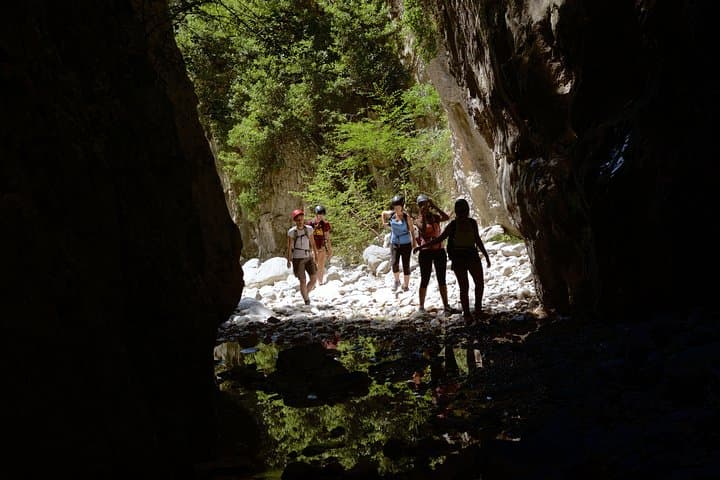
You step off the dusty lane and into a cooling throat of rock. The sun, which minutes earlier pressed like an oven over the olive terraces, is swallowed by the gorge; light fractures into slashes and pools on the stone. Water, always the actor here, has dug a channel through limestone for millennia and now threads the way forward—sometimes a playful current daring you to follow, sometimes a low, steady voice that marks the route. This is Ridomo Gorge, a small, quiet cleft in the Mani peninsula where the landscape is intimate and the views are earned.
The walk to MANA Spring is the sort of Mediterranean day hike that rewards with texture: narrow canyon corridors, twisted olive roots clinging to ledges, and vertical walls that carry the salt-stiff scent of the sea even when the bays are out of sight. The trail is not a highway—expect a compacted dirt path, sections of loose scree, and short scrambles over exposed rock. For a typical small-group itinerary that runs about 4.5 hours, you’ll cover roughly 7 km round-trip with around 350 m of elevation gain; the pace is steady rather than hurried, with time for photos, a dip if conditions allow, and conversation with a guide attuned to local stories and safety.
Geology explains the mood. The Mani is a slab of old limestone folded by tectonics and carved by episodic torrents. Ridomo is a draft of that history: calcified steps, scalloped overhangs and a spring—MANA—that has fed shepherds and villages for generations. The gorge’s narrowness amplifies sound; your footfalls echo like a drum. That acoustical intimacy, paired with the flora—kermes oaks, rosemary, and beds of fern in the shadiest pockets—gives the hike a cinematic quality without the crowds.
Culturally, this is a land of towers and tenacity. The Maniots prized independence; their tower houses stand as vertical witness to centuries of clan disputes and survival. The terrain itself shaped that culture: difficult to subdue, it rewarded local knowledge. When your guide points to a set of terraces clinging to a slope, they’re not just describing agriculture but a way of living that resists easy modernization. Expect stories of shepherding, olive oil, and how springs like MANA were social as much as vital.
Why go? For starters, Ridomo is lightly visited. That rarity matters: you walk without a chorus of other hikers, and the landscape feels like an active companion—petty, sudden, occasionally generous—rather than a backdrop for selfies. It’s excellent for families; kids who like a bit of hands-on movement will find the short climbs satisfying. Photographers will relish the chiaroscuro of canyon light and the photogenic interplay between ancient stone and fresh water. For the pragmatic traveler, the hike is compact enough to fit into a day based out of Kalamata or Kardamyli but remote enough to feel like an excursion.
Practicalities: the route is guided and usually run with small groups. The terrain requires sturdy footwear and a good stance—trail runners will do, but shoes with grippy soles are recommended. Hydration is non-negotiable; even in shaded canyons humidity and exertion can trick you into under-drinking. While the spring is a highlight, don’t count on it as a drinking source—bring purification if you plan to refill. Timing matters: mornings or late afternoons are ideal for cooler conditions and kinder light; midday in high summer can still be hot despite shade.
Safety notes are straightforward. The scrambling sections are short but exposed; hikers with vertigo should take it slow, and kids should be watched closely. The guide provided on most bookings is also a trained first aider, which adds a layer of comfort for families and less experienced hikers. Trail markings are present in places but intermittent—this is not a well-trafficked, readymade route—so a guide or good navigational sense is valuable.
Leave no trace is especially relevant here. The gorge’s ecosystems are narrow and fragile; a forgotten snack wrapper lodged in a crevice can persist for years. Stick to worn paths, take photographs not pebbles, and carry out everything you carry in.
By the time the trail spits you back onto the dirt lane, the afternoon light flattens the cliffs into honeyed slabs. There’s a quiet satisfaction in the way your legs remember rocks and footing. In town afterward, you’ll taste the region: citrus-scented olives, slow-cooked lamb, and thick local olive oil that tastes like sun and mineral. Ridomo is less about dramatic summits and more about a tactile relationship with place—a walk that teaches you the language of stone and water.
For travelers who prize a mix of ease and engagement, Ridomo Gorge to MANA Spring is an accessible but honest slice of the Mani peninsula. It’s a day spent in motion, in shade, listening to water and learning why this coastline has remained, in many ways, defiantly itself.
Trail wisdom
Small choices, better day.
Wear grippy shoes
Choose trail shoes with good tread—sections are rocky and brief scrambles reward secure footing.
Bring 1.5–2L water
Hydration is crucial even in shade; consider a small water filter if you plan to refill at the spring.
Start early or late
Morning or late-afternoon light is best for temperature and photography; midday is hotter even in the gorge.
Watch kids on scrambles
Short exposed sections are fun but require supervision—bring a small first-aid kit and stay close.
Local knowledge
Read the place, not just the route.
Watch for native species including Rock partridge, Kermes oak specialist butterflies.
Keep an eye out for wildlife during the transition between areas and habitats. Respect distance guidelines.
The gorge is ecologically sensitive—stick to trails, avoid disturbing springs, and pack out all waste to protect fragile canyon ecosystems.
Follow the guide's instructions on size limits, ethical handling, and leave-no-trace practices.
A short detour to a terraced olive grove for panoramic sea views. A quiet taverna in the nearby village serving house-made olive oil and grilled fish
Locally recommended viewpoints and quiet spots known best to local operators.
The Mani peninsula has a long history of semi-autonomy; its stone tower houses and clan culture reflect centuries of local resilience and played a role during the Greek War of Independence.
Maritime roots and regional tradition shape the waterways and working coasts.
Seasonal guide
Four versions of the same landscape.
Spring
Best forWildflowers · Mild temperatures · Flowing spring water
ChallengesSeasonal mud · Occasional higher stream flows
Spring offers cool temperatures and the gorge at its greenest; watch for muddy stretches after rains.
Summer
Best forShade respite · Family-friendly outings · Long daylight hours
ChallengesHigh ambient heat outside the gorge · Busy nearby beaches
Summer is ideal because the trail stays shaded, but bring extra water and avoid midday starts.
Fall
Best forClear light for photos · Comfortable hiking temps · Lingering sea warmth
ChallengesShortening days · Cooler mornings
Fall presents crisp light and comfortable conditions—expect cooling evenings and pleasant daytime hikes.
Winter
Best forLow crowds · Dramatic weather · Off-season solitude
ChallengesColder temps · Occasional heavy rains making the gorge hazardous
Winter can be moody and quiet; avoid after heavy rain when water levels and slippery rock increase risk.
Operator details
What the booking data adds.
Included
- ✓Free of charge transfer to the starting point and return
- ✓Experienced guide and first aider
- ✓Helmets
Not included
- —Food/Drinks
Good to know
- ✓Service animals allowed
- ✓Travelers should have at least a moderate level of physical fitness
- ✓There are no health restrictions as long as you have the permission from your doctor to participate to any of our activities. For safety reasons we, also, need to be aware of your health condition.
Pack with intention
What to bring.
Good to know
Common questions.
The guided route typically takes 4–5 hours round-trip, covering about 7 km with approximately 350 m of elevation gain.
Plan the edges
The details that make the day easier.
The Mani Peninsula was historically semi-autonomous and is famous for its stone tower houses—many date to the Byzantine and Ottoman eras and reflect the region’s clan-based history.
After the hike, head to Kardamyli or a seaside taverna for fresh grilled fish, Kalamata olives and robust local olive oil; pair with a cold local beer or ouzo and listen to stories from village elders.
- Closest airport
- Kalamata International (KLX). Driving from Kalamata to trailhead: ~40–60 minutes. Cell service: intermittent in the gorge. Permits: none required for day hikes; guided tours are common.
This canyon’s ecosystems are fragile—pack out everything, avoid stepping on vegetation, and don’t disturb the spring or rock formations.
Explore by topic
Follow the threads.
Keep exploring
Make the story part of the trip.
In four hours you can move from shaded canyon ferns to wind-scoured coastal ridgelines, guided by someone who knows where the light—and the hidden views—live. This private half-day hike on the Monterey Peninsula or Big Sur is compact, curated, and perfect for travelers who want depth without a multiday commitment.
 Related story
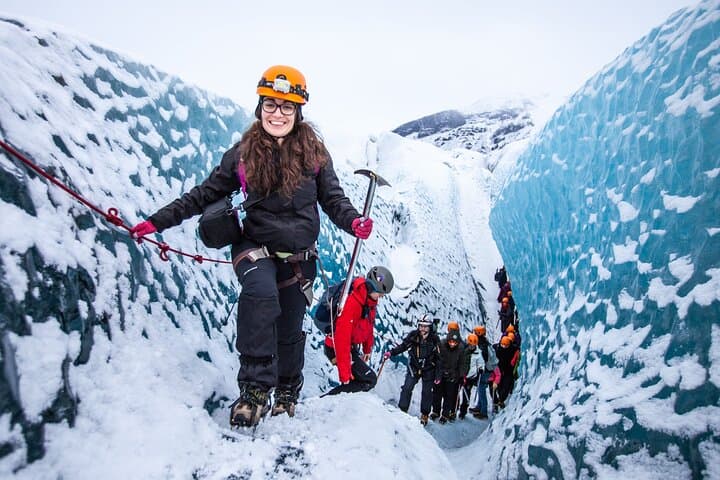
Beneath a sky of shifting light, Skaftafell’s ice reads like a map of time. This three-hour guided glacier hike mixes technical instruction with geology and culture: compact, safe, and unforgettable.
 Related story
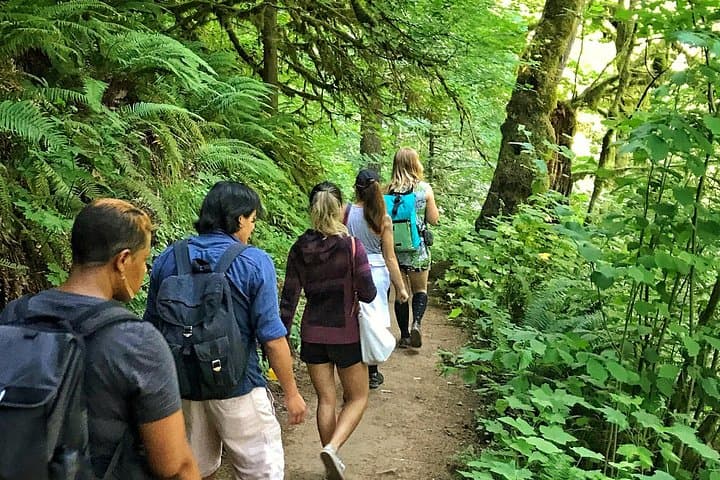
Lose the city for a few hours without leaving it: this 5-mile, 900-foot-gain Forest Park loop threads old-growth pockets, city viewpoints, and cultural landmarks for a compact taste of Portland’s wild side. Expect moss, roots, and stories.