
What the day feels like
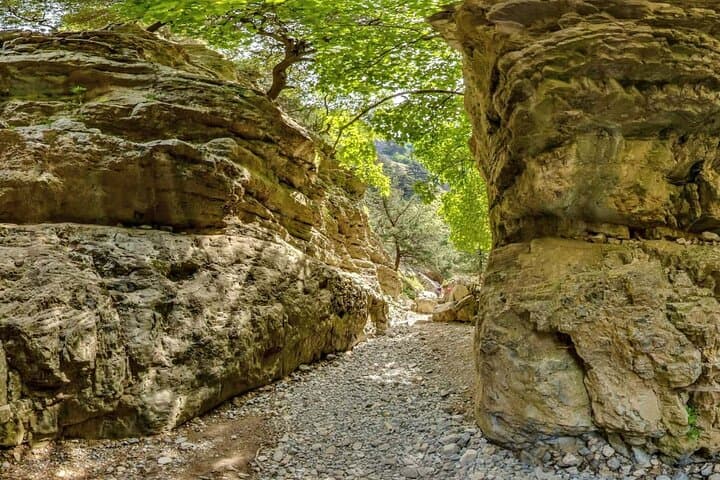
You step off the minibus into late-morning light and the world narrows. Stone walls rise, shoulder-width at first, then climb to nearly 300 meters and draw the sky into a thin blue ribbon. The air cools, and the scent of thyme, pine sap, and warm limestone wraps around you—this is Imbros Gorge, a compact, candid canyon that asks for steady feet and rewards them with solitude, geology and a wild finish at the Libyan Sea.
Imbros is often mentioned in the same breath as Samaria—the island’s more famous gorge—but where Samaria can feel like a pilgrimage, Imbros is a conversation. Its carved passageways, known locally as Stenada and Mesofarango, are dramatic without feeling theatrical. In the narrowest slot, at just 1.6 meters, you can reach and touch both sides of the rock; the passage was once a critical mule trail and seasonal shepherd route connecting mountain villages to the south coast. Over millennia, water and time sculpted the limestone into the vertical flutes and bowls you walk through today.
Geology here reads like a field guide: folded limestone layers of the White Mountains (Lefka Ori) scarred and smoothed by flash floods, spring runoff and the slow chemistry of dissolution. Botanically, the gorge hosts a mix of Mediterranean scrub and island endemics—cypress and kermes oak cling where there’s soil; spring months carpet the trail with poppies and other wildflowers. Keep an ear out for the metallic calls of kestrels and the skitter of lizards along sun-baked ledges.
The walk itself is brisk and tangible: roughly 8 kilometers of path that most groups take in about three hours of steady walking. There are no exposed ridgelines or scrambling sections—this is a land-adventure for confident hikers who want canyon atmosphere without technical climbing gear. The descent gradually unspools toward the sea, ending at a small coastal village with pebbled coves where the Libyan Sea silvered under the afternoon sun invites a swim and a taverna lunch.
Culture and economy are woven into the route. Imbros served as a seasonal corridor for shepherds and traders; in the foothills you’ll find ruined stone shepherd huts and, occasionally, the laughter of kids on a school run. The tour-led format—many visitors travel from Chania—keeps group sizes manageable and funnels economic benefit to coastal tavernas and local guides who know the microclimate quirks of the gorge.
If you’re planning the day, practical details matter. Most organized departures from Chania run as a half- to full-day experience; Viator-style itineraries list a total duration of roughly 10 hours on the schedule to allow for hotel pickup, transfers and a relaxed return, though the walk itself is closer to three hours. Expect a guided pace, clear footpaths, and a finish that includes free time for swimming and lunch. Prices start at about USD 33, and many operators offer free-cancellation windows and manual confirmation—you’ll want a local guide for logistics and safety.
On the trail, pack smart. Sturdy hiking shoes with decent traction are more important than ankle-high boots—this is rocky, often dusty terrain with short steeper pitches and loose stones. A daypack with water (1.5–2 liters), sunscreen, a sun hat, and a windbreaker covers the basics. In spring and autumn bring layered clothing; summer is hot and demands earlier starts.
Timing is part of the recipe for a good day. Spring (April–May) and fall (September–October) deliver the best balance of mild weather and vibrant scenery: wildflowers and lower visitor numbers in spring, warm sea-temperature swims in autumn. High summer brings heat; start early or choose a guided departure that leaves Chania before the midday sun.
Safety notes aren’t meant to dampen enthusiasm—think rhythm and respect. There’s no technical climbing, but sections can be narrow and uneven. Flash rains are rare but possible, and the canyon’s shape can funnel runoff; check local forecasts and heed your guide. Mobile reception can be patchy in places, so offline maps and a paper itinerary are practical backups.
For those who want a local, credible booking option, consider arranging the day with a vetted guide: <a href="https://app.advcollective.com/local-experts/imbros-gorge-day-hike-from-chania-8-km-gorge-walk-libyan-sea-swim">local experts offering the Imbros Gorge day hike</a> provide pick-up from Chania and context on flora, geology and post-hike dining. Beyond convenience, a local guide will enrich your walk with stories—about the old shepherd routes, wartime anecdotes, and the seasonal rhythms of the White Mountains.
At the end of the gorge, the Libyan Sea rewards you with clear water and small tavernas where grilled fish and raki feel like earned luxuries. Sit, salt-dry your hair, and let the canyon’s shadow fall away. Whether you’re chasing dramatic canyons, a refreshing coastal swim, or a compact, accessible slice of Crete’s wild heart, Imbros balances ease with atmosphere.
If you have a single day near Chania and want to leave the big crowds behind without trading scenery, Imbros Gorge is the sort of hike that stays with you: not for a grand summit view but for the tactile pleasure of canyon walls, the smell of thyme in your nostrils, and the sudden opening onto the sea.
Trail wisdom
Small choices, better day.
Early start beats the heat
Begin the walk in the morning to avoid high summer temperatures and enjoy softer light for photography.
Shoes over sandals
Wear sturdy hiking shoes with tread—rocky, uneven paths make grip and foot protection important.
Bring swim gear
Pack a swimsuit and quick-dry towel for an afternoon dip at the Libyan Sea finish.
Respect the narrow sections
Yield to narrower passage traffic, keep voices low and avoid disturbing nesting birds.
Local knowledge
Read the place, not just the route.
Watch for native species including Kestrel and other raptors, Mediterranean lizards and chukar-style game birds.
Keep an eye out for wildlife during the transition between areas and habitats. Respect distance guidelines.
Stick to established trails, avoid trampling fragile vegetation, and support local businesses—guides and tavernas help sustain conservation-minded tourism.
Follow the guide's instructions on size limits, ethical handling, and leave-no-trace practices.
The narrow ‘Stenada’ slot for tactile canyon experience. Small coastal tavernas at the finish serving fresh grilled fish and local raki
Locally recommended viewpoints and quiet spots known best to local operators.
Imbros was historically a mule and shepherd route connecting mountain villages to the south coast; its stone paths and old huts echo centuries of local pastoral life.
Maritime roots and regional tradition shape the waterways and working coasts.
Seasonal guide
Four versions of the same landscape.
Spring
Best forWildflowers · Cooler walking temperatures · Birdwatching
ChallengesOccasional muddy patches · Unpredictable rain showers
Spring brings vivid wildflowers and milder temperatures—ideal for comfortable walking and clear canyon colors.
Summer
Best forSea swims after the hike · Long daylight hours
ChallengesHigh midday heat · Crowds on peak days
Summer offers warm sea water and long days; start early to avoid the hottest hours and stay hydrated.
Fall
Best forWarm swimming · Fewer tourists · Comfortable hiking weather
ChallengesShortening daylight · Occasional wind
Fall is often the best overall—warm water and thinner crowds make for a relaxed post-hike meal.
Winter
Best forQuiet trails · Dramatic skies
ChallengesCooler temps · Possible rain and limited services
Winter is quiet and atmospheric but can be rainy and chilly—check local conditions and expect fewer open tavernas.
Operator details
What the booking data adds.
Included
- ✓Air-conditioned vehicle
- ✓Mountain Guide
Not included
- —ENTRANCE FEE TO IMBROS GORGE
- —Food & drinks are not included in the price.
Good to know
- ✓Service animals allowed
- ✓Public transportation options are available nearby
- ✓Infants are required to sit on an adult’s lap
- ✓Suitable for all physical fitness levels
- ✓After your booking you have to look at the chat of Viator in order to confirm with our reservation department the right pick up point and right pick up time.You cannot change your pick up point at less than 48 hours before the trip. If you want to change your pick up point 48 hours before the trip for some reason you need to contact our reservation department through Viator chat or our reservation department phone number . Working hours of reservation department 9:30-20:30.Last Minute changes to pick up points will not be accepted .
Pack with intention
What to bring.
Good to know
Common questions.
The walking route is about 8 km and typically takes around three hours; guided day trips allocate additional time for transfers and a post-hike swim or lunch.
Plan the edges
The details that make the day easier.
Imbros Gorge’s narrowest point is approximately 1.6 meters across and its walls rise to nearly 300 meters—it's the second most visited gorge on Crete after Samaria.
Finish your day at a seaside taverna—order grilled fish, dakos salad, and a shot of raki. Chat with the taverna owner about the season’s catch and the village’s shepherding past for an authentic post-hike experience.
- Closest airport
- Chania (CHQ). Trailhead transfer: ~1–1.5 hours by road from Chania. Driving distance: ~75 km. Cell service: patchy in gorge; good near coast. Permits: none required. Typical tour length: full-day with hotel pickup (~10 hours total scheduled time).
Follow Leave No Trace: pack out what you bring, stay on the marked footpath to protect endemic plants, and support local tavernas and guides—your spending helps sustain the community that maintains the trail.
Explore by topic
Follow the threads.
Keep exploring
Make the story part of the trip.
Set out from Bass Harbor for a private, customizable day on Blue Hill Bay — lighthouses, puffins, seals, and the chance to feel Acadia from the water. Small groups, local captains, unforgettable views.
In four hours you can move from shaded canyon ferns to wind-scoured coastal ridgelines, guided by someone who knows where the light—and the hidden views—live. This private half-day hike on the Monterey Peninsula or Big Sur is compact, curated, and perfect for travelers who want depth without a multiday commitment.
 Related story
Beneath a sky of shifting light, Skaftafell’s ice reads like a map of time. This three-hour guided glacier hike mixes technical instruction with geology and culture: compact, safe, and unforgettable.