
What the day feels like
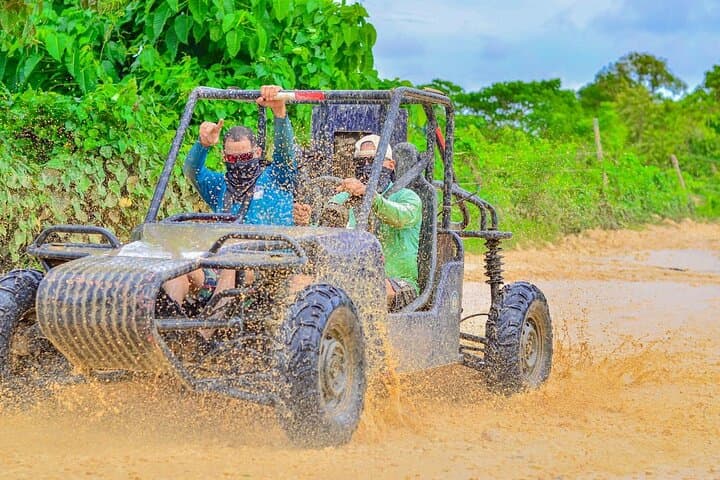
The first sign that you’ve left the resort grid of Bávaro is not the rum-smelling air or the spread of palm roofs but the way the wind begins to take hold of the landscape—pulling at dust, rattling cane, daring you forward. You feel that pull through your palms as the guide fires the engine and a line of well-maintained ATVs answers with a low, eager growl. For the next three hours, the Atlantic smells saltier, the tracks more honest, and the day stretches between the scrubby inland fields and one of the Dominican Republic’s most celebrated public beaches.
This is not a joyride past manicured pools. The Macao Bavaro ATV Adventure Eco Tour threads narrow ruts through sugarcane stubble, crosses low limestone ridges, pauses in hamlets where dogs and children regard helmets like alien crowns, and finally opens onto Playa Macao—wide, raw, and combed by consistent surf. It’s a half-day that sketches the human and geological story of La Altagracia: coastal sands born of coral reefs, fields shaped by centuries of agriculture, and a contemporary coastal culture that still stocks its breakfasts with strong coffee and fried plantains.
History and landscape are close companions here. East of the Punta Cana resorts, the land flattens into a patchwork of small farms and cane fields that trace their economic lineage back to colonial plantations. Underfoot, the bedrock is largely fossilized reef and limestone—porous, uneven, and quick to form low ridges and pockets that make for technical but thrilling off-road riding. At the shore, Macao’s sand is the product of a lifetime of wave action and coral breakdown; the beach remains public and less developed than Bávaro, which is why many tours make it their final destination.
Local culture appears in short, bright moments—a roadside vendor selling cold coconut water, a fisherman repairing nets beneath a thatch roof, kids showing off their speed walking with the ATV, or guide-side anecdotes about the basilica in nearby Higüey, a pilgrimage site and the spiritual heart of La Altagracia. Guides for the tour act as translators between the land and the rider: they read the trail like a book, share notes about coastal flora, and point out where the sea is reclaiming a stretch of road.
Why ride instead of drive? There’s a rhythm to off-road travel that a smooth shuttle can’t replicate. You’re not separated from the dirt, the scent, or the incline—you’re the mechanism responding to it. The trail asks for balance, attention, and a willingness to get a little dusty. But it rewards those attentions with an immediacy of place: the instant you crest a low ridge, the ocean breathes on you.
Practical details are straightforward: the tour runs roughly three hours, making it a compact morning or afternoon outing that still leaves time for lunch or beach hanging afterward. Vehicles are described as well-maintained and the operation emphasizes family-friendly safety, meaning helmets and a clear safety briefing. If you’re new to ATVs, guides expect to teach basics—shifting weight, modulating throttle, and reading the trail. Riders with some off-road experience will find the terrain engaging: sand washouts, limestone bumps, and occasional narrow groves.
Plan around weather and tides. The east coast’s dry season (roughly November through April) offers firmer trails and a cleaner sky; the wet months can turn dirt tracks into slick challenges. Bring closed-toe shoes, long sleeves for sun and brush protection, and a small, secure dry bag for your phone. Cash helps for beach-side sodas, tips, or souvenirs because small vendors don’t always take cards. Finally, remember this is an eco-minded tour—stay on designated trails to minimize erosion and respect private farmland.
For a traveler who wants a concentrated taste of rural Dominican life mixed with coastal drama, this ATV run checks a lot of boxes: speed and control for the adventurous, cultural texture for the curious, and a shore reward that’s as photogenic as it is refreshing. It’s a good companion piece to surf lessons at Macao, a visit to Higüey’s basilica, or a lazy afternoon back in Bávaro. You come off the vehicle with sand in your shoes, sun on your neck, and a better sense of why the island balances its tourist corridors with stretches of open shore.
The tour’s practical edge means it’s accessible: three hours is long enough to feel like a real escape but short enough to fit into a vacation schedule without forcing an early wake-up. And for families, the operation’s emphasis on safety makes it a reasonable pick for teenagers and confident younger passengers riding tandem. If you value clear instruction, a sense of place, and a beach finish that doesn’t feel staged, this is an economical, kinetic way to experience the Dominican east coast.
At the end, standing on Playa Macao—the ocean breathing, the horizon open—you’ll feel the trip’s narrative close: fields give way to shore, machines to salt wind, a day’s motion to the steadiness of the sea. It’s a practical, joyful way to see the island beyond the resort gates, and one that leaves you with both a story to tell and practical memories: how to read a dune, how to trust a guide, and the simple pleasure of the Atlantic daring you to wade in.
Trail wisdom
Small choices, better day.
Hydrate Before You Go
Start with a full water bottle and bring a small pack—riding and sun dehydrate fast.
Closed-Toe Shoes Only
ATVs kick up sand and rock; sturdy trainers or hiking shoes protect your feet.
Ride the Trail, Not the Shortcut
Stick to designated paths to avoid erosion and respect local farmland.
Bring Small Local Currency
Vendors on the beach and in villages often accept only cash for snacks and souvenirs.
Local knowledge
Read the place, not just the route.
Watch for native species including Brown pelican, Iguana (common in scrubby coastal areas).
Keep an eye out for wildlife during the transition between areas and habitats. Respect distance guidelines.
Stay on marked trails to reduce erosion, avoid riding near nesting shorebirds, and support local vendors rather than leaving trash on the beach.
Follow the guide's instructions on size limits, ethical handling, and leave-no-trace practices.
A small roadside stand near the final marsh that sells freshly pressed sugarcane juice. A low limestone viewpoint just before the beach that makes for a quiet sunset spot
Locally recommended viewpoints and quiet spots known best to local operators.
The La Altagracia region blends Taíno heritage, Spanish colonial history, and a long tradition of sugarcane agriculture that shaped coastal settlements.
Maritime roots and regional tradition shape the waterways and working coasts.
Seasonal guide
Four versions of the same landscape.
Spring
Best forFirm trails after winter rains · Wildflower flashes in roadside scrub
ChallengesOccasional afternoon showers · Slightly muddier low-lying tracks
Spring (March–May) offers warm, mostly stable conditions with the occasional rain squall—good for riding but pack a light rain shell.
Summer
Best forLush coastal greenery · Fewer tourists on some beaches
ChallengesHotter, more humid days · Higher chance of short thunderstorms
Summer brings heat and humidity; early starts or late afternoons are more comfortable for off-road sections.
Fall
Best forCalmer winds for beach stops · Warm water for post-ride swims
ChallengesTransitional weather can be unpredictable · Possible tropical activity
Fall can be a mix—still warm and often pleasant, but monitor tropical forecasts during peak hurricane season.
Winter
Best forDry trails and clear skies · Peak visibility and firmer sand
ChallengesHigher tourist numbers at resorts · Slightly stronger northeast trade winds
Winter (Nov–Apr) is the driest, most reliable season for firm trails and sunny riding—ideal for this tour.
Operator details
What the booking data adds.
Included
- ✓Bottled water
- ✓Hotel pick-up and drop-off in Macao Bavaro
Good to know
- ✓Service animals allowed
- ✓Not recommended for travelers with spinal injuries
- ✓Not recommended for pregnant travelers
- ✓Not recommended for travelers with poor cardiovascular health
- ✓Suitable for all physical fitness levels
Pack with intention
What to bring.
Good to know
Common questions.
The tour lasts approximately three hours from pickup to drop-off, with time for riding, short stops, and a beach break at Playa Macao.
Plan the edges
The details that make the day easier.
Playa Macao is one of the few public beaches near Punta Cana/Bávaro and is known for consistent surf—making it a popular spot for local and visiting surfers.
After the ride, head to a beachfront kiosk at Playa Macao for fresh fried fish, cold coconut water, and a local rum cocktail; in Bávaro, try a small family-run comedor for La Bandera (rice, beans, and stewed meat).
- Closest airport
- Punta Cana International Airport (PUJ)
- Typical drive to trailhead
- 20–40 minutes from major Bávaro hotels
- Cell service
- Good near towns, patchy in some inland trails
- Permits
- None required, operator provides gear and briefing
Ride only on designated trails to prevent erosion, avoid disturbing shoreline vegetation, and pack out any trash—supporting local vendors helps deliver economic benefits back into the community.
Explore by topic
Follow the threads.
Keep exploring
Make the story part of the trip.
 Related story
Less than two hours from Nairobi, Kereita Forest pairs hands-on canopy adventure with quiet montane trails and a sobering colonial history—perfect for families, teams, and curious travelers seeking a full-day pulse of nature.
Set out from Bass Harbor for a private, customizable day on Blue Hill Bay — lighthouses, puffins, seals, and the chance to feel Acadia from the water. Small groups, local captains, unforgettable views.
In four hours you can move from shaded canyon ferns to wind-scoured coastal ridgelines, guided by someone who knows where the light—and the hidden views—live. This private half-day hike on the Monterey Peninsula or Big Sur is compact, curated, and perfect for travelers who want depth without a multiday commitment.