
What the day feels like
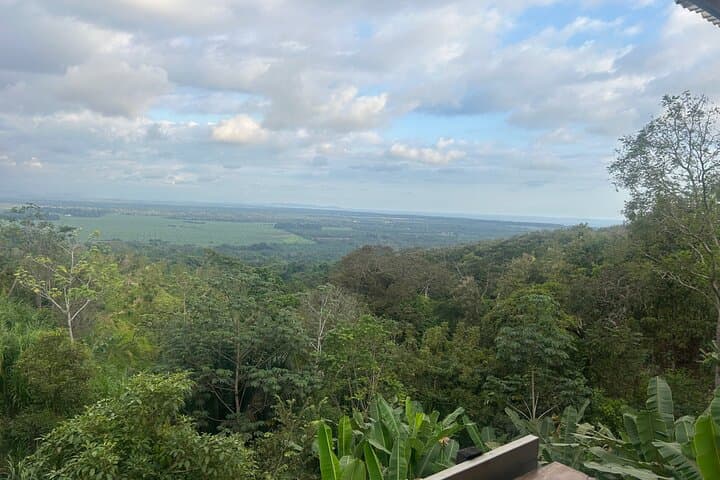
The machine growls to life with the kind of organized promise that only proven gear and a practiced guide can deliver. You strap in, the cab smells faintly of leather and ocean-salt, and the trail ahead folds up the mountain like a paper map being refolded—switchback, ridge, narrow crest, a glimpse of blue between the trees. The guide eases the UTV forward, and the dirt asks for attention: roots, compact clay, the occasional washboard. You feel the vehicle move in dialogue with the landscape—sometimes coaxed, sometimes challenged—while the Pacific keeps time below, a steady metronome that announces itself in long, silver flashes through breaks in the canopy.
This is the Jaco region: a surf-and-sand gateway that surprises people with its wild inland face. The ATV & UTV Mountain trail adventure tour folds coastal scenery, transitional rainforest, and volcanic soils into a 90-minute, seat-of-your-pants primer on Central Pacific Costa Rica’s off-road character. The ride is intimate by design: new six-person side-by-sides piloted by guides who know each line, each neutral zone where you can feel the engine settle and look for a macaw overhead. For travelers who want the rush without the solo-challenge logistics, this is a tidy way to sample the interior—fast enough to satisfy an adrenaline jolt, short enough for a half-day itinerary.
Geology here reads like an instruction manual for variety. The Central Pacific’s topography is shaped by Pleistocene volcanism and sedimentary processes that fed the coast with rocky outcrops and well-draining ridgelines. Trails cut into those ridges expose the hard answers to erosion: exposed roots, volcanic gravel, and packed clay. Where the slope eases, alluvial fans hold pockets of biodiversity—palm fringes, heliconia, and the bigger birds that treat the ridges like highways.
Culturally, Jaco is inseparable from the ocean. Surf hotels and beachside sodas line the main drag, and local life orients around tides and tourism seasons. The mountain trails you ride were once routes for local ranching and small-scale farming; today they’re maintained by guides who balance visitor access with the needs of landowners and the rhythms of rainy-season repair. Guides are local interpreters as much as drivers—sharing bird calls, pointing out fruiting trees, or noting remnant stone fences that mark older land uses.
Why go? For one, the combination of relative proximity to town and immediate elevation change delivers reward quickly: within minutes you catch ocean panoramas, in other minutes you’re inside a humid, bird-rich pocket that feels a world away from the beachfront. For families or couples with mixed skill levels, these guided rides hit the sweet spot—thrill without exposure, scenery without a long approach.
Practical edge: the tour is 90 minutes long and run in side-by-sides driven by professional guides, so you don’t need off-road driving experience to participate. Trails include gravel forest roads, narrow ridgelines, and occasional wet ruts—expect bumps, occasional jostling, and sections where the guide picks the only line that feels right. Wear closed-toe shoes, secure any loose gear, and plan for variable weather: the Central Pacific shifts quickly between sun and squall.
Safety and stewardship go hand in hand. Good operators emphasize staying on designated trails to limit erosion and wildlife disturbance; they maintain vehicles to reduce emissions and prioritize loading limits to keep rides comfortable. Take only photos, leave only impressions—this area’s transitional forests are fragile and home to scarlet macaws, howler monkeys, and a host of smaller species that depend on contiguous habitat.
If you’re timing your trip, aim for dry-season months for firmer trails and broader views; the wet season brings deeper puddles, a greener canopy, and a different kind of ride—more mud, fewer stable viewpoints. Morning departures catch softer light for photography and cooler temperatures; afternoon runs can mix in a beach stop or a sunset surf report back in town. Whether you’re a first-timer or a repeat visitor to Costa Rica, the UTV tour from Jaco gives you the shape of the region: ocean, ridge, forest, all threaded together under a guide’s steady hand.
It’s easy to imagine finishing the tour with sand still in your shoes and a cold local beer waiting at a beachfront soda. But the best part is the memory of motion—the way the trail pulls you along, the brief hush when the engine idles and a macaw speaks—a reminder that the Central Pacific’s most compelling stories are told in movement, not stillness.
Trail wisdom
Small choices, better day.
Dress for dust and sun
Closed-toe shoes and long socks protect against debris; bring sunscreen and a hat for exposed ridgeline sections.
Start early
Morning departures mean firmer trails, softer light for photos, and cooler temps.
Lock down loose items
Carry cameras and phones in zip pockets or tether them—ATV vibration can easily jostle gear loose.
Listen to your guide
Guides pick the safest lines and read trail conditions—follow their instructions for seating and holding on.
Local knowledge
Read the place, not just the route.
Watch for native species including Scarlet Macaw, White-faced Capuchin Monkey.
Keep an eye out for wildlife during the transition between areas and habitats. Respect distance guidelines.
Off-road routes can accelerate erosion; choose operators that stay on designated trails, avoid sensitive riparian zones, and practice pack-in/pack-out principles.
Follow the guide's instructions on size limits, ethical handling, and leave-no-trace practices.
Carara National Park birding trails and the Tarcoles River bridge for crocodile viewing. Playa Hermosa overlook for an unfussy sunset with fewer crowds
Locally recommended viewpoints and quiet spots known best to local operators.
The Central Pacific’s inland trails were historically used for small-scale ranching and farming; the region’s modern tourism economy grew alongside surf culture in towns like Jaco.
Maritime roots and regional tradition shape the waterways and working coasts.
Seasonal guide
Four versions of the same landscape.
Spring
Best forFirm trails · Wildlife activity · Pleasant temperatures
ChallengesIntermittent rain showers · Early vegetation growth
Spring (dry-to-wet transition) offers stable trails early on and increased bird activity as the canopy greens.
Summer
Best forLush scenery · Fewer tourists · Dramatic skies
ChallengesMud on trails · Short, heavy downpours
Summer brings peak greenery and occasional muddy stretches—expect more vibrant forest colors and slower lines.
Fall
Best forClearer vistas · Warmer afternoons · Lower humidity
ChallengesUnpredictable showers · Trail repair after rains
Fall offers a balance of clear views and residual warmth; pack for mixed conditions.
Winter
Best forDry trails · Crisp mornings · Sunlit ridgelines
ChallengesHigher daytime crowds · Hotter lowland temps
Winter’s dry season is the most predictable time for firm, dustier trails and wide ocean views.
Pack with intention
What to bring.
Good to know
Common questions.
The guided ATV/UTV tour lasts approximately 90 minutes from the meeting point.
Plan the edges
The details that make the day easier.
Carara National Park, a short drive from Jaco, protects a rare transitional forest type and is one of the best places in Costa Rica to see scarlet macaws in the wild.
After the ride, head back to Jaco’s beachfront for fresh ceviche at a soda or a cold local beer—you’ll find relaxed beachfront bars and small restaurants serving Pacific-coast seafood and casual local fare.
- Closest airport
- Juan Santamaría Intl (SJO). Driving time to Jaco: ~1.5–2 hours. Meeting point: central Jaco (operator will provide exact location). Cell service: generally available in town, intermittent in mountains. Permits: none required for tourist rides; operator handles local permissions.
Choose operators that maintain trails, limit group sizes, and follow a leave-no-trace ethic—staying on established paths reduces erosion and protects wildlife corridors.
Explore by topic
Follow the threads.
Keep exploring
Make the story part of the trip.
Set out from Bass Harbor for a private, customizable day on Blue Hill Bay — lighthouses, puffins, seals, and the chance to feel Acadia from the water. Small groups, local captains, unforgettable views.
In four hours you can move from shaded canyon ferns to wind-scoured coastal ridgelines, guided by someone who knows where the light—and the hidden views—live. This private half-day hike on the Monterey Peninsula or Big Sur is compact, curated, and perfect for travelers who want depth without a multiday commitment.
 Related story
Beneath a sky of shifting light, Skaftafell’s ice reads like a map of time. This three-hour guided glacier hike mixes technical instruction with geology and culture: compact, safe, and unforgettable.