
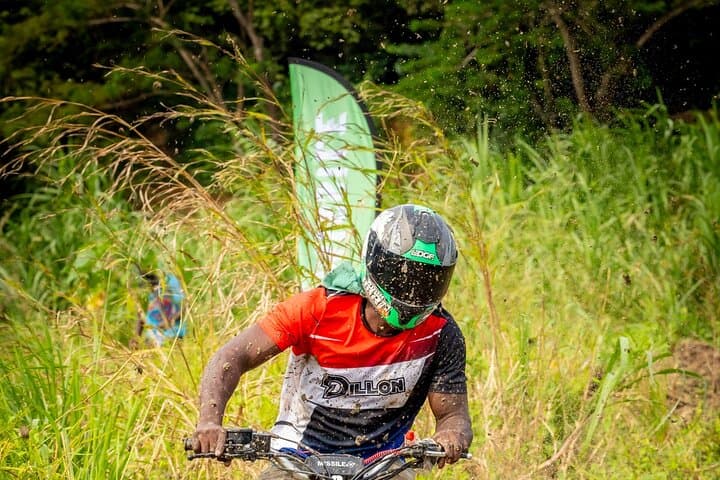
What the day feels like
The first thing that hits you is the salt—the sharp, clean bite of Caribbean air that threads through the engine noise and the distant slap of waves. We line up a half-dozen ATVs at the edge of a sugarcane field, wheels sinking into dust that smells faintly of sun-warmed earth and seaweed. A local guide gives a quick nod, checks helmets, and points toward a ribbon of track that runs inland for a few minutes before spilling out onto a ridge overlooking the ocean. From there the coastline opens like a painted strip of turquoise and cobalt, and the whole island feels briefly accessible by throttle.
Missile Adventure Park’s Negril ATV experience is compact and clear: community-operated, locally run, and rooted in the rhythms of western Jamaica. The 4-hour tour is less about speed and more about the contrast—coastal headlands one minute, backroad villages the next, and the occasional stop at a roadside jerk stand that exists because locals do this work, not because the tour package demands it. It’s the kind of half-day adventure that gives you a physical memory (your hands on the bars, dust in your teeth) and a cultural one (a wave from a farmer, a child’s smile as you pass).
Geologically, Negril is a limestone coastline carved by centuries of waves; the cliffs that rise in places along the shore are old coral platforms, worn sharp and pocked with caves. That geology feeds the ride: short climbs and quick drops where the trail follows karst formations that want to funnel water—rain or surf—off the island. The land here is scrub and cane, dotted with small farms, and the light slants low and gold in the late afternoon, the best time to make a stop for photos.
The cultural context matters. Negril began as a humble fishing village and became an eclectic tourism hub in the 1960s and 1970s; today it balances resort-style beaches with genuine local life pinned inland and between the coastal developments. Community-focused operators like Missile Adventure Park are part of a smaller, people-centric tourism economy: guides who grew up nearby, families who sell snacks and cold drinks, and hosts who know where the best roadside vistas are. That connection is part of the draw—this isn’t a closed-loop resort excursion but a tour that threads through neighborhoods and makes the landscape feel lived-in.
Practicalities are straightforward but essential. The ride is suitable for people with basic comfort handling a small off-road vehicle; the terrain mixes packed dirt, occasional gravel, and short sections of rutted track. The tour runs about four hours total from hotel pick-up to drop-off, which includes safety briefings and a few photo stops. Weather counts: mornings are cooler and dustier, afternoons warmer; late afternoons yield the most dramatic light and calmer wind. Expect engine hum, a scent of diesel and salt, and the frequent, grounding presence of a guide who knows when to slow the line for a crossing or to open it up along a scenic ledge.
Safety is baked into the experience: helmets are standard, guides ride sweep, and the pace is set to match the group. Still, respect the machine and the land. Keep weight centered, look well ahead on blind crest lines, and give local traffic—the occasional pickup truck or herd of goats—plenty of space. Hydration is non-negotiable; Jamaica’s heat doesn’t ask permission.
Why choose this over a beach day? Because it lets you feel the island’s interior—the spots where tourists rarely linger, the smallholder farms, and the kind of coastline that reads differently when you’re a few feet off the road. For photographers it’s pure material: wide ocean shots, villagers working fields at midday, and action frames of riders threading rocky switchbacks. For families with older kids or small groups of friends, it’s a manageable half-day that still carries momentum; the tour’s community orientation also means tips and dollars are more likely to go into local hands.
A few planning notes: the operator lists the experience as instantly confirmed and offers free cancellation; price starts from about US$170 per person. Hotel pickup is typically included for central Negril locations, and Sangster International Airport (MBJ) in Montego Bay is the main incoming hub if you’re arriving by air—expect roughly 1.5–2 hours of driving time from MBJ to Negril. Bring ID, closed-toe shoes, sunscreen, and a small amount of local currency for roadside snacks or tip jars. Phone service is generally good near populated stretches but can drop on some inland tracks.
Environmental responsibility is simple and immediate: stay on marked trails, don’t toss trash, and keep noise to a respectful level in residential stretches. These tours work because they’re welcome in the places they ride; that welcome depends on riders being considerate.
If you go, leave time afterward to decompress on Seven Mile Beach or catch sunset at a cliffside bar. Negril’s rhythm is slow after a morning of adrenaline—cold beer, fresh fish, and the kind of salt-soaked quiet that makes the return to the hotel feel like part of the trip’s reward.
Whether you’re a first-time rider or a seasoned off-roader, the Missile Adventure Park Negril ATV tour offers a clear, well-directed intake of Jamaican landscape and life. It’s not a grand expedition but a concentrated slice of place: dusty tracks, ocean edges, and the small human moments that make travel more than a checklist. When the engines settle and the tide hisses against the rocks, you’ll have a handful of images and a better sense for the island that sits beyond the postcard.
Trail wisdom
Small choices, better day.
Hydrate Before and During the Ride
Bring a full water bottle or hydration pack—Jamaica’s sun is strong and the ride moves fast enough you’ll sweat more than you expect.
Get Comfortable Footwear
Closed-toe shoes with a grippy sole protect your feet and make mounting/dismounting easier on uneven ground.
Protect Against the Sun
Use reef-safe sunscreen and wear a hat between stops; glare off the sea can be intense when you pause for photos.
Follow Your Guide’s Pace
Guides know local hazards and when to open up the lanes—don’t pass unless instructed.
Local knowledge
Read the place, not just the route.
Watch for native species including Creative lizards and iguanas warming on rocks, Seabirds such as frigatebirds and brown pelicans along the shore.
Keep an eye out for wildlife during the transition between areas and habitats. Respect distance guidelines.
Stick to marked trails, avoid disturbing coastal vegetation, and support local vendors to keep economic benefits in the community.
Follow the guide's instructions on size limits, ethical handling, and leave-no-trace practices.
Roadside local jerk shacks frequented by riders for authentic quick meals. Small inland viewpoints and farmer’s plots that offer unobstructed sunset views away from the beach
Locally recommended viewpoints and quiet spots known best to local operators.
Negril grew from a small fishing village into a tourism hub in the 1960s and 1970s; today it balances resort areas with community-run enterprises.
Maritime roots and regional tradition shape the waterways and working coasts.
Seasonal guide
Four versions of the same landscape.
Spring
Best forMilder temperatures · Wildflower roadside views
ChallengesOccasional showers · Dusty tracks after dry spells
Spring offers pleasant temperatures and fewer tourists; bring a light rain layer for sporadic showers.
Summer
Best forLush inland greenery · Long daylight hours
ChallengesHigher humidity · Greater chance of afternoon rain and muddy trails
Summer is green and vibrant but expect heat and the possibility of wet, slippery sections after storms.
Fall
Best forWarm seas for post-ride swims · Fewer crowds than winter peak
ChallengesHurricane season peaks earlier in the fall—stay aware of forecasts
Early fall can be ideal—warm waters and quiet beaches—though watch weather advisories during hurricane season.
Winter
Best forDry, sunny days · Peak visibility for ocean views
ChallengesHigher tourist numbers · Slightly higher prices in town
Winter (Dec–Apr) is the island’s dry season and the most predictable time for clear, dust-free riding.
Operator details
What the booking data adds.
Included
- ✓Helmets, Harnesses
- ✓Air-conditioned vehicle
Not included
- —Bar items
Good to know
- ✓Wheelchair accessible
- ✓Infants and small children can ride in a pram or stroller
- ✓Public transportation options are available nearby
- ✓Not recommended for travelers with spinal injuries
- ✓Not recommended for pregnant travelers
- ✓Not recommended for travelers with poor cardiovascular health
- ✓Travelers should have at least a moderate level of physical fitness
Pack with intention
What to bring.
Good to know
Common questions.
Requirements vary; many operators allow riders without a local license but will ask for ID and require a briefing—check with the operator ahead of time.
Plan the edges
The details that make the day easier.
Negril transformed from a tiny fishing village into an international tourist destination beginning in the late 1960s, attracting artists, backpackers, and resort developers alike.
After the ride, grab grilled fish or jerk chicken at a local shack, sip a Red Stripe or rum punch, and head to Rick’s Cafe for sunset and cliff divers—simple, salty, and social experiences that keep the focus local.
- Closest airport
- Sangster International (MBJ) ~1.5–2 hours drive; Starting point: Negril (hotel pickups common); Driving distance from town: 0–30 minutes to trail heads depending on pickup; Cell service: Good near coast, intermittent inland; Permits: None required for tourists—operator provides helmets and briefing.
This operator is community-based—minimize impact by staying on trails, packing out trash, and buying food or souvenirs from local vendors to keep income local.
Explore by topic
Follow the threads.
Keep exploring
Make the story part of the trip.
Set out from Bass Harbor for a private, customizable day on Blue Hill Bay — lighthouses, puffins, seals, and the chance to feel Acadia from the water. Small groups, local captains, unforgettable views.
In four hours you can move from shaded canyon ferns to wind-scoured coastal ridgelines, guided by someone who knows where the light—and the hidden views—live. This private half-day hike on the Monterey Peninsula or Big Sur is compact, curated, and perfect for travelers who want depth without a multiday commitment.
 Related story
Beneath a sky of shifting light, Skaftafell’s ice reads like a map of time. This three-hour guided glacier hike mixes technical instruction with geology and culture: compact, safe, and unforgettable.