
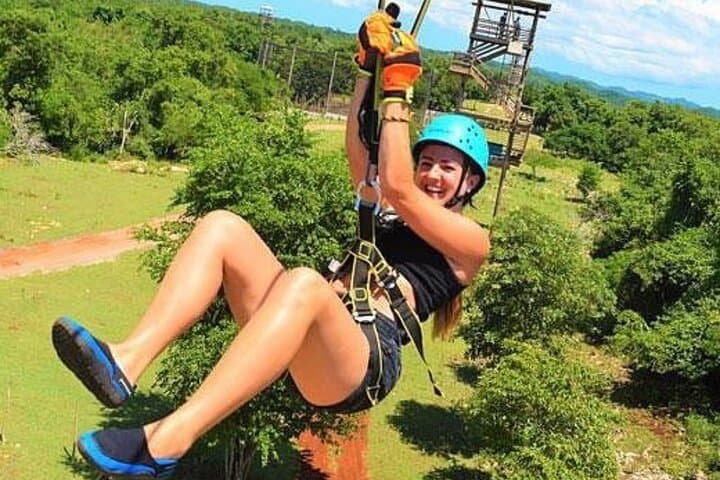
What the day feels like
You lift off the white sand in the rearview mirror and the island smell — sea salt, cut grass, diesel from a passing fishing boat — slides into the cab of your ATV. Minutes earlier, you had been barefoot on Seven Mile Beach, toes digging into the surf; now you are negotiating a ribbon of red dirt that threads through small farms and limestone outcrops toward a cluster of mahogany trees. The day is engineered for contrast: the grunt and spray of four-wheel tires, then the sudden hush of a harness and the cleave of wind under a zipline. In Negril, adventure arrives both loud and silent.
This is the kind of all-day trip that makes sense in Jamaica’s west end. Awarded to adrenaline-seekers and curious travelers, the ATV & Zipline tour is a roughly 6–8 hour excursion that stitches together two very different ways to move through landscape. The ATVs feel immediate and tactile — you can smell the citrus trees and see villages up close — while the zipline sections reframe the coastline, cliffs, and forest canopy as a sequence of aerial snapshots.
Negril is both a beach town and a working coastal community. The geology here is karst limestone — flat, pocked, and sculpted by wind and sea — which gives the West End its dramatic cliffs and shallow reefs. That same limestone underpins the dirt tracks you’ll follow on an ATV and forms the cliffs that make for big, sweeping zipline views. Locals have been moving through this landscape for generations: fishermen, smallholder farmers, and more recently tourism operators who opened adventure parks and rope courses to diversify the island’s coastal offerings.
The operators that run these combined tours are part of a local tourism ecosystem: small parks like Jamwest Adventure Park have built the infrastructure to host vehicles, harnesses, and trained guides; they provide helmets, safety briefings, and shuttles from Negril’s hotels. Guides are often from nearby parishes and double as cultural interpreters — pointing out local fruit trees, teaching a few patois phrases, and directing you to the best roadside jerk stands after the tour.
Because this is Jamaica, the day arranges itself around natural theatre: rolling farmland, a quick river crossing, a scrubbed coastal lookout, and the sudden verticality of a zipline platform. Nature in Negril tends to act like a character in the story — the sun dares you to keep moving, the coastline pushes your gaze outward, and the wind makes the ride feel more daring than the posted speeds suggest.
Practicality is baked into the experience. Expect stiff but manageable physical demands: riding an ATV requires a steady stance and the ability to react quickly to loose surfaces; ziplines demand brief bursts of core engagement when launching and landing, plus a comfort with heights. For most healthy travelers who can walk a few miles and carry a small daypack, this is an accessible day of play.
Timing is a small piece of strategy. Start early to avoid the midday heat and the busiest pickup times, and to save the best light for the zipline sections that open up toward the coast. Bring sunscreen, closed-toe shoes, and a lightweight, packable rain shell in case the tropical squall arrives. A phone in a secure case works fine for photos — but remember that the most compelling images often come from the pause between activities: a weathered fisherman mending nets, a line of goats crossing a track, or the sweep of turquoise reef visible from the ridge.
Safety is straightforward when you choose operators who emphasize training and maintenance. Helmets, harness checks, and short practice laps are standard. Guides will pair you with appropriate vehicles and match zipline harnesses by size. If you have concerns about balance or motion sickness, mention them during booking — guides can usually make modifications or suggest positioning to lessen discomfort.
At the end of the day, when your mouth tastes faintly of engine smoke and salt, there is a particular Negril ritual to cap the afternoon: head to Rick’s Cafe or a small, local bar on the West End for a sunset rum punch and watch cliff divers stake their claim against the light. Swap stories with your guide about the neatest path through the farmland or where to find the best roadside chicken jerk. That’s when the trip reframes itself: not as an adrenaline checklist, but as an efficient way to know the island — its people, its landscape, and the particular way Negril arranges its day around sun, surf, and movement.
If you’re planning this day, aim for an operator that includes round-trip hotel transfers, clear safety protocols, and a small group size. The logistics are part of the charm: an early hotel pickup, a dusty run to the staging area, a firm helmet fit, and the deep satisfaction of a day that sends you home tired, sun-kissed, and a little more fluent in local rhythms. It’s a signature Negril day — part mechanical, part airborne, and entirely of the place.
Trail wisdom
Small choices, better day.
Choose Closed-Toe Shoes
ATV trails are dusty and rocky; sturdy shoes protect your feet and give better control while riding.
Start Early
Morning departures avoid midday heat and give clearer air for the zipline photos near the coast.
Secure Your Valuables
Use a zippered pack or leave phones in the shuttle—vibrations and wind can eject loose items during rides.
Hydrate and Snack
Bring a refillable water bottle and a small snack; the tour runs 6–8 hours and food options are limited between stops.
Local knowledge
Read the place, not just the route.
Watch for native species including Frigatebirds circling the coast, Green iguanas sunning on limestone outcrops.
Keep an eye out for wildlife during the transition between areas and habitats. Respect distance guidelines.
Operators increasingly use designated tracks and managed platforms to limit erosion and habitat damage; stick to marked routes and avoid disturbing shoreline vegetation.
Follow the guide's instructions on size limits, ethical handling, and leave-no-trace practices.
Jamwest Adventure Park’s ridge lookout for reef panoramas. Local roadside jerk stands outside Negril for authentic flavors post-tour
Locally recommended viewpoints and quiet spots known best to local operators.
Negril evolved from a quiet fishing village into a tourist hub during the 1960s and ’70s; its beaches and West End cliffs have since become cultural and recreational centers.
Maritime roots and regional tradition shape the waterways and working coasts.
Seasonal guide
Four versions of the same landscape.
Spring
Best forWarmer water views · Fewer heavy rains
ChallengesOccasional trade-wind gusts · Higher UV exposure
Spring brings stable weather and clear days—ideal for ziplines and photography, but pack sunscreen for strong sun.
Summer
Best forLong daylight hours · Livelier beach scene
ChallengesAfternoon showers · Heat and humidity
Summer offers long days and vibrant coastal energy; plan morning rides to beat build-up storms and midday humidity.
Fall
Best forLower crowds · Good visibility
ChallengesHurricane season window · Unpredictable rain
Fall can be quieter with excellent visibility between storms—track weather forecasts and consider travel insurance.
Winter
Best forStable cool breezes · Peak travel season amenities
ChallengesHigher tourist volume · Book early
Winter’s trade winds keep temperatures pleasant; book ahead as Negril fills during the holidays and peak escape season.
Operator details
What the booking data adds.
Included
- ✓Hotel pickup and drop-off
- ✓Bottled water
- ✓Round-trip private transfer
- ✓Driver on location
- ✓Transport by air-conditioned bus
Not included
- —Food and drinks
- —Entry fees
Good to know
- ✓Specialized infant seats are available
- ✓Travelers should have at least a moderate level of physical fitness
- ✓Children must be accompanied by an adult
Pack with intention
What to bring.
Good to know
Common questions.
Wear closed-toe shoes, lightweight clothing you don’t mind getting dusty, sunscreen, and a hat for travel to/from the staging area.
Plan the edges
The details that make the day easier.
Negril’s famed Seven Mile Beach stretches roughly seven miles along Jamaica’s west coast and is considered one of the island’s longest and most famous beaches.
After your tour, head to Rick’s Cafe or a local jerk stand to sample curried goat or jerk chicken and a cold Red Stripe; the West End’s cliff bars also offer live reggae and brilliant sunset views.
- trailhead
- Sangster International Airport (MBJ)
- Jamwest Adventure Park, Negril; Driving distance
- ~1.5–2 hours from Montego Bay; Cell service: Generally good in town, patchy on rural tracks; Permits: None required for visitors, but confirm operator insurance and safety certifications.
Support operators that maintain designated trails and limit group sizes; bring refillable bottles to reduce plastic waste and avoid disturbing shoreline vegetation.
Explore by topic
Follow the threads.
Keep exploring
Make the story part of the trip.
In four hours you can move from shaded canyon ferns to wind-scoured coastal ridgelines, guided by someone who knows where the light—and the hidden views—live. This private half-day hike on the Monterey Peninsula or Big Sur is compact, curated, and perfect for travelers who want depth without a multiday commitment.
 Related story
Beneath a sky of shifting light, Skaftafell’s ice reads like a map of time. This three-hour guided glacier hike mixes technical instruction with geology and culture: compact, safe, and unforgettable.
 Related story
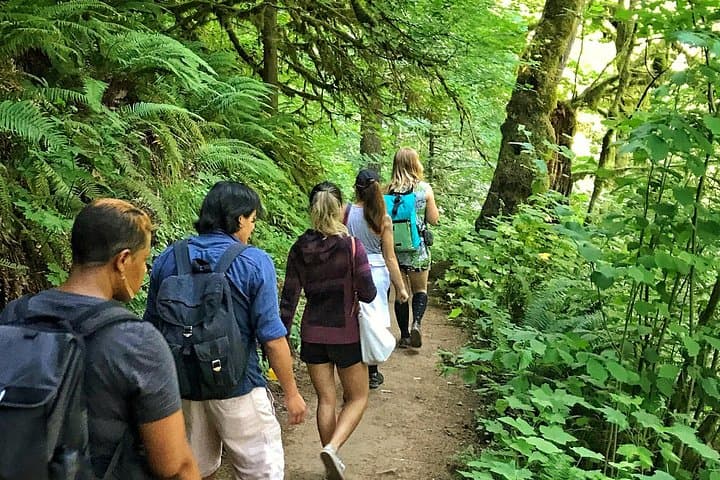
Lose the city for a few hours without leaving it: this 5-mile, 900-foot-gain Forest Park loop threads old-growth pockets, city viewpoints, and cultural landmarks for a compact taste of Portland’s wild side. Expect moss, roots, and stories.