
What the day feels like
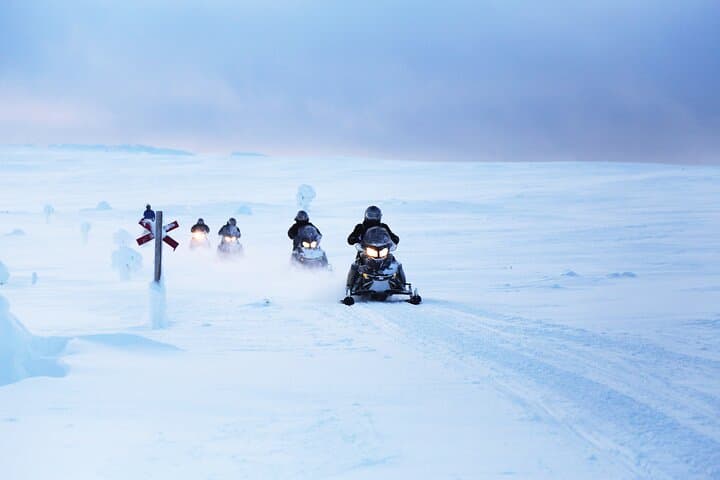
The first breath of Arctic air hits like a promise—cold, sharp and clean—and for a second the world seems pared down to two things: the low thrum beneath your feet and the white that goes on until your eyes ache. You lean into the handlebars and the sled answers, a short, eager roar that slices through the hush of pines and frozen streams. In the distance, ridgelines roll like pale waves; over your shoulder, the spruce and birch shoulder back, their branches rimed with sugar-snow. This is Levi, a compact ski village dropped high above the Arctic Circle, and the particular kind of quiet you find here dares you to move faster through it.
Snowmobiling in Levi is less about turbocharged bravado and more about speed as an instrument of access—how quickly you can move through winter’s archive of light and terrain. A guided <a href="https://app.advcollective.com/local-experts/snowmobiling-adventure-in-levi">Snowmobiling Adventure in Levi</a> pares the experience down to essentials: a warm suit, a quick safety brief, and a local who knows where the snowpack is deep, where the wind has polished the ridges, and where a river valley makes a perfect corridor for acceleration.
Geology here is subtle but dramatic. The fells surrounding Levi are part of the Scandinavian Caledonides, ancient mountains worn into rolling domes and plateaus. In winter, those domes are papered with snow; the shapes read differently, with hidden gullies and cornices waiting to be interpreted by experienced guides. Culturally, Levi sits within Sápmi—the traditional territory of the Sámi people—where reindeer herding is still a living practice. Respecting reindeer crossings and seasonal grazing areas isn’t just courtesy; it’s essential to sharing the landscape.
Why go now? Snowmobiling is the fastest way to thread large sections of Lapland in a single day. A typical guided outing in Levi lasts about an hour for a quick adrenaline hit, but full-day excursions stretch to multiple hours and cover tundra, forest trails, and frozen lakes. Evening rides—when you chase the low winter light or hunt for the aurora—have a special hush. The machines allow you to sample places that are otherwise a long ski or a lengthy hike from the resort, and local guides double as storytellers, translating the white landscape into history, geology and seasonal practice.
Practicals: most operators provide helmets, overalls and boots; the tour in Levi is an instant-confirmation booking and typically priced from about USD 130 per person for a one-hour route. Expect a safety briefing and a slow opening loop to get comfortable before your guide opens the throttle. You’ll need a valid driver’s license to pilot a sled, and many companies will require drivers to be at least 18. Dress in layers: wool or synthetic next to skin, insulated mid-layer, and a waterproof outer shell. Goggles are essential; even on still days the reflected light can be intense.
Timing matters. Deep winter—late January through March—brings consistent snow, firm trails and long days returning by degrees. Early winter often has soft, powdery snow that’s luxurious but demands more effort and different trail maintenance. Guided rides respect local wildlife and reindeer calendars; tracks are planned to avoid calving zones and known migration corridors.
Safety is simple but non-negotiable. Snowmobiles are powerful; they also demand respect for changing snow conditions. Ice on lakes varies in thickness, and guides scout crossings ahead of time. Stay with the group, listen to the guide’s flags and hand signals, and keep your distance from other sleds when accelerating. If you’re unsteady, request a dual ride—most operators allow single-passenger or tandem options so non-drivers can still experience full-speed access.
Beyond the sled: Levi snaps into a tidy tourist infrastructure. After the ride, warm up with a cup of Russian-style black tea or a soup of reindeer meat; try local specialties such as sautéed reindeer with mashed potatoes at a village restaurant. If you time your ride for dusk, you might get a two-for-one: a glowing pink sky and the sudden appearance of aurora threads drifting to a stop above the fell.
Practical booking tip: choose small-group excursions if you want a personalized route and more time for photography. Operators often offer add-ons—snowshoe stops, ice fishing detours, or a lean-to barbecue—for those building a full Lappish day.
This is not a ride to show off; it’s an invitation to move through a fragile place with speed and care. The machines let you cover distance; the best trips teach you where to slow down and when to listen. Let the sled carry you, but let the landscape teach you how to be in it.
For reservations and local expertise, see this dedicated page for the <a href="https://app.advcollective.com/local-experts/snowmobiling-adventure-in-levi">Snowmobiling Adventure in Levi</a>, which links to guides who know the ridges and the risks and can tailor an itinerary to your appetite for speed or solitude.
Whether you come for the adrenaline, the chance to chase light across frozen lakes, or the skill of a guide reading the snow, snowmobiling in Levi offers a compact, high-value way to experience Arctic Lapland—fast, safe, and, when done with intention, deeply rewarding.
Trail wisdom
Small choices, better day.
Layer for Arctic Cold
Use a breathable base layer, insulated mid-layer, and windproof outer shell—avoid cotton as it loses insulating value when damp.
Bring Spare Goggles or Lens Cloth
Light and snow reflectivity can fog or glaze lenses; a spare or anti-fog cloth keeps visibility clear.
Know Your Controls Before You Go
Confirm throttle, brake and emergency-stop procedure in the briefing; practice in a parking loop before hitting fast snow.
Respect Reindeer Areas
Follow your guide’s route to avoid disturbing grazing or migration corridors—these are active working landscapes.
Local knowledge
Read the place, not just the route.
Watch for native species including Reindeer, Ptarmigan.
Keep an eye out for wildlife during the transition between areas and habitats. Respect distance guidelines.
Operators follow local rules to avoid reindeer grazing areas and protected habitats; pack out all waste and keep to designated routes to limit disturbance.
Follow the guide's instructions on size limits, ethical handling, and leave-no-trace practices.
A quiet frozen river corridor used by local guides for soft-snow runs. A small lean-to on a scenic knoll for hot-drink stops—ask your guide for locations
Locally recommended viewpoints and quiet spots known best to local operators.
Levi sits in Sápmi, the homeland of the Sámi people, where reindeer husbandry has shaped seasonal movement and local culture for centuries.
Maritime roots and regional tradition shape the waterways and working coasts.
Seasonal guide
Four versions of the same landscape.
Spring
Best forLonger daylight · Stable snowpack for lake crossings · Aurora tail-end viewing
ChallengesThaw cycles creating slush · Variable ice thickness on lakes
Late winter into March brings long days and reliable snow, but watch for thawing surfaces and changing ice conditions.
Summer
Best forNot applicable for snowmobiling · Hiking and MTB alternatives · Midnight sun activities
ChallengesNo snow for sledding · Most operators suspend snowmobiling tours
Summer is outside the snowmobiling season—operators switch to summer activities like ATV tours or hiking.
Fall
Best forNorthern Lights begin to appear · Cooler days before freeze · Less crowded trails
ChallengesEarly-season thin snowpack · Short daylight hours increase tour timing complexity
Autumn is transitional; early-snow tours may be available but conditions are inconsistent.
Winter
Best forClassic snowmobiling · Night tours and aurora chasing · Stable packed trails
ChallengesSevere cold and limited daylight in deep winter · Weather can cancel or reroute tours
Peak winter (Dec–Mar) offers the best and most reliable snowmobiling conditions, with full tour schedules.
Pack with intention
What to bring.
Good to know
Common questions.
Most operators require a valid driver’s license to pilot a sled; minors can usually ride tandem with an adult.
Plan the edges
The details that make the day easier.
Levi lies above the Arctic Circle and hosts international slalom events; it also operates as a compact winter resort serving northern Lapland.
After the ride, stop at a local tavern for reindeer stew or smoked salmon and a locally brewed beer; Restaurant Nili in Levi village is a reliable choice for Lappish cuisine and atmosphere.
- Closest airport
- Kittilä Airport (KTT). Trailhead: near Levi village center (10–25 min drive depending on operator). Driving distance from nearest town: Levi village is walkable from many hotels. Cell service: good near village, patchy on remote routes. Permits
- passes
- no special permits for guided snowmobile tours; check operator requirements.
Stay on designated routes, respect reindeer herding areas, and carry out all waste; choose operators that work with local Sámi communities and adhere to seasonal grazing restrictions.
Explore by topic
Follow the threads.
Keep exploring
Make the story part of the trip.
In four hours you can move from shaded canyon ferns to wind-scoured coastal ridgelines, guided by someone who knows where the light—and the hidden views—live. This private half-day hike on the Monterey Peninsula or Big Sur is compact, curated, and perfect for travelers who want depth without a multiday commitment.
 Related story
Beneath a sky of shifting light, Skaftafell’s ice reads like a map of time. This three-hour guided glacier hike mixes technical instruction with geology and culture: compact, safe, and unforgettable.
 Related story
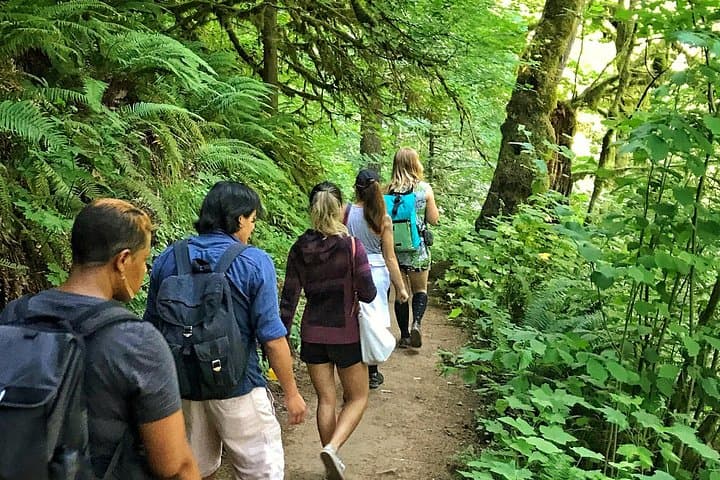
Lose the city for a few hours without leaving it: this 5-mile, 900-foot-gain Forest Park loop threads old-growth pockets, city viewpoints, and cultural landmarks for a compact taste of Portland’s wild side. Expect moss, roots, and stories.