
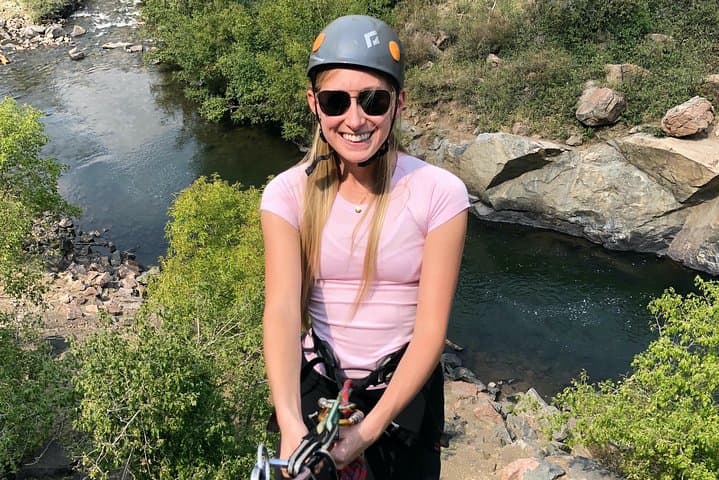
What the day feels like
Thirty minutes out of downtown Denver the city’s hum thins and the air takes on a different weight—thinner, dryer, full of a kind of expectation. Granite and sandstone ribs rise from the plains like the ribs of an old animal; they catch light and hold it, offering faces, cracks and corners that have drawn climbers for generations. You meet your guide at a small lot, ankle joints creak into harnesses, ropes slide through belay devices, and the first piece of chalk hits hands like a punctuation mark: this is where your afternoon will pivot from ordinary to precise and deliberate.
This is Colorado’s Front Range—less a single cliff than a stitched landscape of canyons, towers and roadside crags that fall into your lap a short drive from the city. The rock here wears history in its grain. Indigenous peoples, including the Arapaho and Ute, traveled these foothills; later, miners and homesteaders pushed roads and rail, and climbers began to test the seams and faces in the mid-20th century. That mix—deep time, human movement, technical curiosity—shapes the feel of the routes: respectful, purposeful, with a touch of local humility.
Geologically the range is varied: older crystalline bedrock shoulders under younger sedimentary layers, producing both textured faces and solid, frictiony slabs. For guided programs marketed from Denver, routes are chosen for safety and accessibility—short approaches, reliable anchors, and a spread of grades so beginners and more advanced climbers can both have meaningful climbs within a roughly three-hour window. Expect a combination of top-rope and short multi-pitch practice, with anchors set by guides and a focus on movement fundamentals: footwork, weight transfer, and trusting the gear.
A guided session is more than ticking off a handful of routes. Guides translate the rock into a curriculum for your body: reading sequences, unclenching fingers at the right moment, coaxing efficient breaths. The wind in the couloir will feel like an accomplice, nudging you into a rhythm; the river at the canyon’s base will dare you to look down while your hands search for the next hold. Snacks and water are included, so there’s room to savor the breaks—hot sun on a shoulder, the metallic smell of chalk and harness webbing.
Despite the urban proximity, the climb feels remote in the best way—the city’s skyline peeking over distant ridgelines, not intrusive but a reminder that alpine moments are often an hour and a half of concentration away from your commuter life. Local climbing culture here is practical and communal: chalk bags exchanged, route beta traded in quick whispers, and a palpable respect for land managers and private access where it applies.
Practicalities matter. The advertised experience runs about three hours; it’s an intro-to-intermediate guided climb where all technical gear is provided—harnesses, ropes, helmets, and shoes in a range of sizes. Guides bring the expertise to anchor, belay and coach, leaving you to focus on movement. There is minimal approach walking but expect uneven, rocky footing, and a handful of short scrambling moves. The whole loop—pick up, drive out, park, gear up, climb, return—fits neatly into a half-day itinerary, which makes it ideal for travelers with limited time.
Who should book? If your idea of climbing includes keen curiosity and a willingness to learn, book it. Beginner climbers with average fitness will get a full introduction; intermediate climbers will find useful coaching and sharper beta; advanced climbers can use the session to practice techniques or work on short sport lines with a coach’s eye. The activity is also notable for accessibility—instant confirmation, included transport options in some variants, and small groups that keep things hands-on.
Timing is everything. Spring and fall offer the most comfortable temperatures; summer brings sun and quick afternoon thunderstorms that can close a route in minutes. Winter scheduled climbs move into lower-angle, sun-washed faces or are rescheduled—ice and snow change the game entirely. Hydration, sun protection and layers are basics here, along with shoes that fit (guides provide rentals but try them on for fit and friction before you step on rock).
If you leave with anything, take home the discipline you learn on the wall. Climbing asks you to simplify: one foot, one hand, one breath at a time. It’s a practice you can fold into the rest of your trip—better hikes, steadier stances by alpine lakes, clearer decisions on technical sections. And afterward, there’s a beer or a sandwich waiting somewhere back in the Boulder-Denver corridor, a communal capstone to an afternoon spent moving under gravity’s honest rules.
This guided climb is easy to pair with other Front Range offerings—trail runs, river floats in the summer, or a morning road trip up a ridge for sunrise. It’s short enough to be a single, memorable chunk of a longer Colorado trip, but technical enough to be transformative for a weekend warrior who wants a clear skill upgrade.
At three hours, the trip respects your schedule and your curiosity. It’s a compact education in how rock rewards patience and precision, and about 30 minutes from a city that can feel surprisingly far away once you’re on the wall.
Trail wisdom
Small choices, better day.
Hydrate Early
Start drinking water before you arrive—high, dry air and exertion add up quickly.
Wear Sturdy Approach Shoes
Trails to routes are short but rocky; light hiking shoes make gearing up smoother.
Trust the Guide
Guides set anchors and provide route beta—listen to coaching and ask for hands-on instruction.
Check the Weather
Afternoon storms are common in summer—plan climbs for the morning when possible.
Local knowledge
Read the place, not just the route.
Watch for native species including Mule Deer, Red-tailed Hawk.
Keep an eye out for wildlife during the transition between areas and habitats. Respect distance guidelines.
Respect posted closures and stay on approaches; many crags are on mixed ownership—pack out trash and follow Leave No Trace guidelines.
Follow the guide's instructions on size limits, ethical handling, and leave-no-trace practices.
Look for quieter roadside crags that get morning light. Short viewpoints along the approach trails with sweeping city-to-mountain vistas
Locally recommended viewpoints and quiet spots known best to local operators.
The Front Range foothills were used for travel and seasonal resources by Arapaho and Ute peoples and later saw mining and early recreational climbing through the 20th century.
Maritime roots and regional tradition shape the waterways and working coasts.
Seasonal guide
Four versions of the same landscape.
Spring
Best forCool-weather climbing · Learning basics without heat · Wildflower-lined approaches
ChallengesUnpredictable melt and mud · Chilly mornings
Spring offers comfortable temps for movement but bring a light insulated layer for early starts.
Summer
Best forLong daylight sessions · Top-rope practice on shaded faces · Pairing climbing with river activities
ChallengesAfternoon thunderstorms · High sun exposure
Summer is busy and hot—aim for morning climbs and carry extra water and sun protection.
Fall
Best forStable, cool weather · Quiet trails after summer crowds · Crisp views
ChallengesShortening daylight hours · Cool nights
Fall is often the most pleasant season for guided climbs—clear skies and steady temperatures.
Winter
Best forSunny, low-angle routes on warm days · Technique work off-snow
ChallengesIcy approaches · Limited route options
Winter climbs require careful planning; many operators will reschedule in icy conditions.
Operator details
What the booking data adds.
Included
- ✓Expert guide
- ✓All necessary equipment
- ✓Snacks
- ✓Drinks
- ✓Local taxes
Not included
- —Gratuities
- —Transportation from Denver
Good to know
- ✓Not recommended for pregnant travelers
- ✓Not recommended for travelers with poor cardiovascular health
- ✓Suitable for all physical fitness levels
- ✓Contact the supplier 24 hours before tour departure at +1 (303) 984- 6151 to verify tour conditions and expectations.
- ✓Failure to reconfirm may result in cancellation of your tour without refund
- ✓It is recommended that you wear comfortable, athletic-style clothing and dress for the season: shorts and a T-shirt in the summer and pants and a long-sleeved shirt in the winter
- ✓Minimum numbers apply. There is a possibility of cancellation after confirmation if there is not enough passengers to meet requirements. In the event of this occurring, you will be offered an alternative or full refund
Pack with intention
What to bring.
Good to know
Common questions.
No—this guided trip accommodates beginners and intermediate climbers; guides provide instruction and handle anchors.
Plan the edges
The details that make the day easier.
The Front Range was exposed during the Laramide orogeny, a mountain-building event that uplifted the Rockies roughly 70–40 million years ago.
After the climb, head back toward Denver or Boulder for craft breweries and hearty Colorado fare—look for locally brewed ales and green-chile cheeseburgers to celebrate a day on the rock.
- Closest airport
- Denver International Airport (DEN)
- Typical drive to meeting point
- 25–45 minutes from central Denver
- Cell service
- intermittent on approach and at some crags
- Permits
- No special permit for guided commercial climbs, but some areas have parking fees or seasonal closures—check operator notes.
Many Front Range crags sit on mixed public and private land—stay on established trails, pack out all trash, and avoid chalking fragile holds beyond normal use to protect rock and vegetation.
Explore by topic
Follow the threads.
Keep exploring
Make the story part of the trip.
Set out from Bass Harbor for a private, customizable day on Blue Hill Bay — lighthouses, puffins, seals, and the chance to feel Acadia from the water. Small groups, local captains, unforgettable views.
In four hours you can move from shaded canyon ferns to wind-scoured coastal ridgelines, guided by someone who knows where the light—and the hidden views—live. This private half-day hike on the Monterey Peninsula or Big Sur is compact, curated, and perfect for travelers who want depth without a multiday commitment.
 Related story
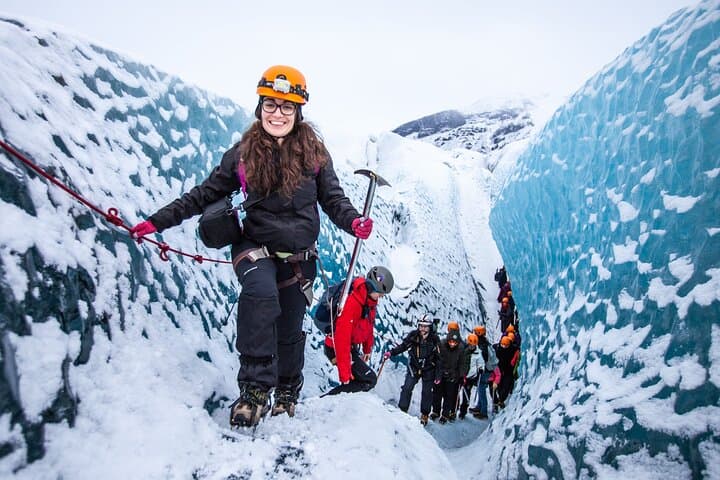
Beneath a sky of shifting light, Skaftafell’s ice reads like a map of time. This three-hour guided glacier hike mixes technical instruction with geology and culture: compact, safe, and unforgettable.