
What the day feels like
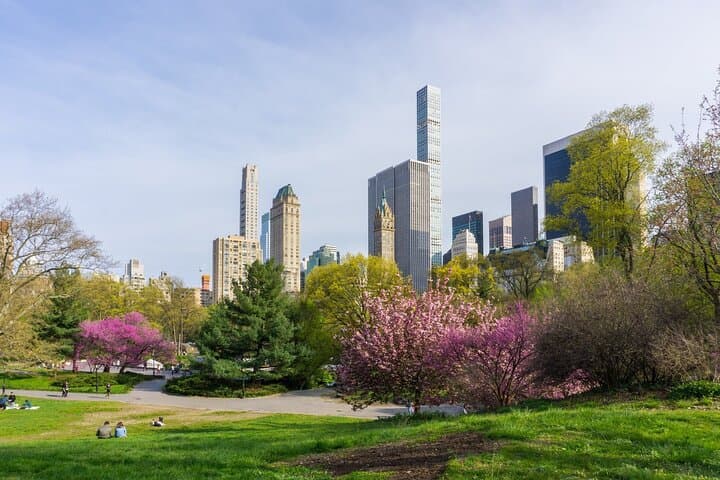
You step off the sidewalk and the city exhales. Asphalt noise thins into bird chatter and a breeze that threads between elms and sycamores; the skyline tilts away and, for three hours, the park writes its own rules. This is not the manicured tourist loop that crowds the southern lawns. On a private guided walk through Central Park you take the alleys and the secret stairways—the graceful hum of the city retained but softened—guided by someone who knows which bench frames the perfect view and which bend in the path hides a film location.
Central Park is 843 acres of designed wilderness, the work of Frederick Law Olmsted and Calvert Vaux, whose vision in the mid-19th century was to give New Yorkers a democratic landscape that feels wild even while it's meticulously managed. That paradox—constructed wildness—becomes obvious as you wander. Under your shoes, Manhattan schist and glacial till surface in outcrops and ledges; the park is literally carved by ice-age forces, then arranged by human hands into pastoral meadows, rock-strewn woods, and broad water features. The result is a layered landscape: geological backbone, Victorian-era ideas of nature, and twenty-first-century urban life folding around it.
A three-hour private tour is a tidy window into that complexity. Guides tailor the route—maybe you begin at Columbus Circle and thread north to the Reservoir for a slow loop where the city mirrors itself in water. You might cut into the Ramble, where narrow footpaths feel like a woodland in miniature and songbirds dare you to listen. The tour will likely include Bethesda Terrace, its carved stone and arcade facing the lake; Bow Bridge, an elegant cast-iron arc that photographers covet; and Strawberry Fields, the John Lennon memorial where people leave flowers and guitar picks. Along the way the guide folds in stories about the park’s role in public health, politics, and popular culture: film shoots, presidential walks, and decades of baseball and protest.
The program leans family-friendly without being twee. The promised carousel ride—an old-school wooden roundabout tucked near the 64th Street entrance—gives kids a centrifugal punctuation to the walk and adults a reminder that this place was designed for play as much as repose. Coffee is often part of the package, served to start a stroll on a cool morning or to punctuate the midpoint with a warm cup and local context.
Practical considerations are refreshingly simple. The terrain is mostly paved paths and gentle grades—there are steps in places—so you don’t need technical gear or trail experience, just sensible shoes and an appetite for walking. Expect three hours at a leisurely pace, 3–5 miles depending on route choices, with time to pause for photos and stories. Bring a refillable water bottle; there are public fountains and cafés clustered along the way. During high season the park fills, so mornings or late-afternoon slots feel calmer and cooler.
Beyond the human architecture of paths and terraces, the park is alive in ways that matter. Migratory songbirds use the Ramble as a rest stop; turtles sun themselves on logs in quieter ponds; sculpted lawns host pickup soccer games and lovers’ picnics. Guides often point out the small conservation choices that keep the place functioning—from native-plantings that support pollinators to selective pruning that protects long-lived trees. There’s also hard municipal infrastructure below: water lines, subway tunnels, and storm drains that allow this landscape to exist in the city’s grid.
If you’re thinking like a traveler who wants to make the most of three hours, plan for flexibility. Ask your guide what the day’s highlights will be and what can be swapped for something quieter—like a longer sit at the Bethesda Terrace arcade or an extended photo stop at the Bow Bridge. The private format is the real value: historical anecdotes tied to your interests, pacing that suits your group, and immediate logistical pivots if it rains or if mobility needs arise.
What this tour gives you—beyond coffee and carousel tickets—is a curated intimacy with a place most people only glance at from taxis or subway cars. You walk through layers of meaning: geological time, civic aspiration, and daily urban life. The park prompts you to slow: to notice a bird’s call, to read a plaque, to feel how a familiar skyline becomes other when viewed through a canopy. For travelers who want a compact, local-led experience—easy on logistics, rich on stories—this private three-hour walk is one of the clearest ways to understand how a city builds and keeps its green heart.
Practical snapshot: the tour is about three hours on mostly paved terrain, suitable for most ages and fitness levels. Bring a light jacket in spring and fall, sunscreen and a refillable bottle in summer, and a compact umbrella if rain is forecast. If you want fewer crowds, book a morning slot and tell your guide if you want a photography-focused itinerary. The price reflects the private guide experience and included small extras; it’s a convenient way to see a lot of the park without feeling led by a megafed group.
At the end, the carousel turns and your group disembarks with a sharper sense of place: you haven’t just visited Central Park; you’ve walked through its histories and geologies, seen how culture and ecology share space, and found a few quiet corners that make an enormous city feel personable. That ease—the park’s quiet agency, its insistence on being both designed and independent—is the reason to come back.
Trail wisdom
Small choices, better day.
Start Early
Mornings are cooler and far less crowded—book an early slot to get peaceful light and space for photos.
Comfortable Shoes
Paths are mostly paved but include steps and gravel; supportive walking shoes reduce fatigue.
Public Transit
Take the subway (A, B, C, D, 1) or bus to avoid parking hassles—the park is well-served from multiple entrances.
Bring Water
Carry a refillable bottle—there are taps and cafés but fewer in the Ramble and some northern sections.
Local knowledge
Read the place, not just the route.
Watch for native species including American robin, Northern cardinal.
Keep an eye out for wildlife during the transition between areas and habitats. Respect distance guidelines.
NYC Parks maintains habitat areas and promotes native plantings; respect seasonal closures and avoid feeding wildlife to protect ecosystem balance.
Follow the guide's instructions on size limits, ethical handling, and leave-no-trace practices.
The Ladies’ Pavilion at the Ramble—a quiet vantage with bird activity. The Shakespeare Garden—seasonal flowers and a tucked-away plaque history
Locally recommended viewpoints and quiet spots known best to local operators.
Central Park was designed in the mid-1800s by Olmsted and Vaux as a democratic urban green space; its layout deliberately combines pastoral, formal, and wild-styled landscapes.
Maritime roots and regional tradition shape the waterways and working coasts.
Seasonal guide
Four versions of the same landscape.
Spring
Best forBlooming trees · Migratory birds · Pleasant walking temperatures
ChallengesPuddles after rain · Allergy season
Spring offers flowering magnolias and nesting birds—expect cooler mornings and the occasional wet trail after storms.
Summer
Best forLush canopy shade · Longer daylight · Evening strolls
ChallengesHeat and humidity · Larger crowds
Summer brings dense shade and busy lawns—schedule morning or evening walks to avoid peak heat.
Fall
Best forFall foliage · Crisp air · Photography
ChallengesShortening daylight · Weekend crowds during peak leaf season
Autumn is peak scenic season with vibrant leaves and comfortable walking weather—book ahead for popular times.
Winter
Best forCrisp skyline views · Quieter paths · Seasonal events
ChallengesCold temperatures · Snow and icy patches
Winter is quieter and architectural lines are clearer, but dress warmly and expect some icy sections after snow.
Operator details
What the booking data adds.
Included
- ✓Customizable itinerary to meet your preferences
- ✓Carousel Ride
- ✓All Fees and Taxes
- ✓Private walking experience
- ✓Professional Guide
- ✓Coffee and/or Tea
Not included
- —Gratuities
- —Food and drinks
- —Admission tickets if any
Good to know
- ✓Infants and small children can ride in a pram or stroller
- ✓Service animals allowed
- ✓Public transportation options are available nearby
- ✓Travelers should have at least a moderate level of physical fitness
Pack with intention
What to bring.
Good to know
Common questions.
Meeting points vary by booking but common start options are Columbus Circle (59th St) or near the 64th Street carousel; guides will confirm exact meeting locations.
Plan the edges
The details that make the day easier.
Central Park contains over 9,000 trees representing more than 170 species and was one of the first major landscaped public parks in the United States.
After the walk, head to The Loeb Boathouse for a lakeside snack or to Levain Bakery on the Upper West Side for famously thick cookies; nearby Zabar’s offers deli staples if you prefer a quick NYC sandwich.
- Closest airports
- LaGuardia (LGA) ~10 miles, JFK ~15 miles; common trailhead
- meeting point
- Columbus Circle (59th St); driving distance: varies by Manhattan location; cell service: reliable throughout most of the park; permits: none for small private tours, but check with NYC Parks for commercial filming or large groups.
Central Park’s habitats are vulnerable—stay on designated paths, pack out trash, avoid feeding wildlife, and support park conservation through donations or volunteering.
Explore by topic
Follow the threads.
Keep exploring
Make the story part of the trip.
Set out from Bass Harbor for a private, customizable day on Blue Hill Bay — lighthouses, puffins, seals, and the chance to feel Acadia from the water. Small groups, local captains, unforgettable views.
In four hours you can move from shaded canyon ferns to wind-scoured coastal ridgelines, guided by someone who knows where the light—and the hidden views—live. This private half-day hike on the Monterey Peninsula or Big Sur is compact, curated, and perfect for travelers who want depth without a multiday commitment.
 Related story
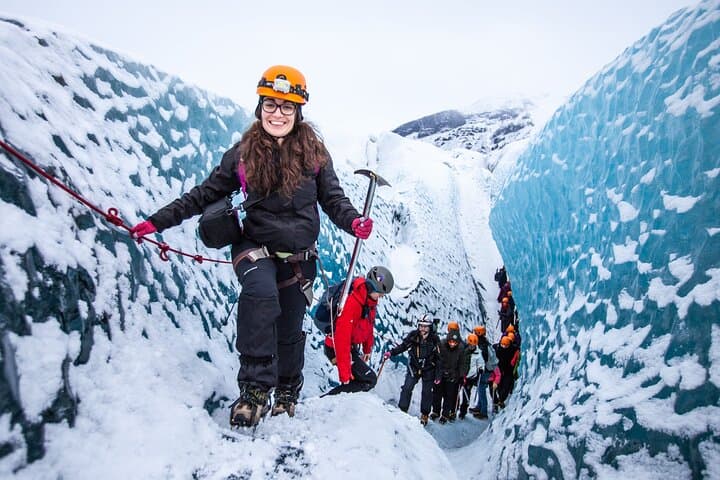
Beneath a sky of shifting light, Skaftafell’s ice reads like a map of time. This three-hour guided glacier hike mixes technical instruction with geology and culture: compact, safe, and unforgettable.