
What the day feels like
You arrive into San Juan with the feeling that the island’s weather has already set your pace: warm, a little wild, and quick to change. The city’s pastel facades hum with reggaetón and rain—brief, tropical bursts that leave the air smelling of wet stone and guava. From here, the tour peels away the album-cover scenes and sends you inland, where rivers dare you to keep up and the rainforest holds its secrets in low, dripping light. Over the course of seventy-two hours you’ll map a compact ecology of Puerto Rico: the colonial streets of Old San Juan, the mossy slopes of a national rainforest, sudden waterfalls that appear as if they were always waiting for company, and a night at sea when tiny organisms make the ocean itself begin to glow.
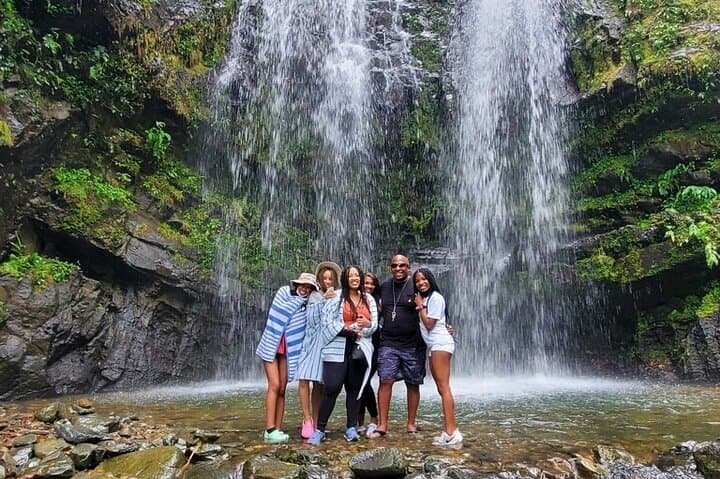
This is not a checklist trip. It’s a choreography—three days arranged to move you between distinct environments so you feel the geology and human history in the same breath. On day one you wander Old San Juan’s cobbled alleys and hear the city’s past, from Taíno ancestry to Spanish fortifications, threaded through the present with rum shops and salsa. The itinerary then carries you to La Piedra Escrita, where Taino petroglyphs still mark river rock, a reminder that these are storied places, not just scenic backdrops. The next day in the rainforest you’ll trade colonial stone for a green cathedral of ferns and tree trunks. El Yunque—the only tropical rainforest in the U.S. National Forest System—sings with birds and the persistent percussion of rainfall; short hikes and slick trails lead to Cascada Las Delicias and Chorro de Doña Juana, waterfalls that reward modest climbs with cool plunge pools and uncluttered solitude.
The water portion of the trip slides between two very different moods. A midday snorkel off a crystalline cay reveals coral gardens and darting fish; evenings are for the island’s more miraculous show—the bioluminescent bays. There is a quiet, measured ritual to these nights: guides who know the coves, small boats that keep engines low, and instructions to avoid lotions and lights so the dinoflagellates can do their work. When the water responds, it moves like a humming current with a glow, and you feel less like an intruder and more like a companion in a long, chemical conversation between organism and ocean.
There’s also a cultural throughline to the three days. You’ll pass through Ponce, sample rum at a small, storied distillery and trace African and Taíno influences in local cuisine. That cultural context—how foodways, craft rum, and coastal livelihoods interlock with the island’s ecology—turns each stop into more than a photo op. It’s a form of immersion.
Practicalities matter here: the program runs full days (the package is a 72-hour private tour with hotel pickup), so pack light but smart. Trails to waterfalls are typically short (often 1–3 miles roundtrip) but can be steep and muddy, with elevation gains up to a few hundred feet. Snorkel sessions are gentle and suited to beginners, but reef-safe sunscreen and a basic comfort in the water will make the experience better. Nights in a bioluminescent bay are calm but require a degree of planning: choose a moonless night if possible, and accept that the glow is weather-dependent. The tour is private and operates with instant confirmation, giving you flexibility—the kind you want when you’re trying to fit the island’s best into just three days.
For travelers wondering whether to book: this is ideal for people who want variety over intensity. You’ll get hikes that are more about atmosphere than technical difficulty, plenty of shore time for snorkeling, and cultural stops that knit together history and taste. The price reflects the private nature of the experience and the logistics of moving you between diverse sites: fromPrice is listed at $1,699.99 for the full private package. To reserve and read more specifics about the itinerary, inclusions, and pickup logistics, consider booking the <a href='https://app.advcollective.com/local-experts/private-3-day-puerto-rico-bucket-list-tour-rainforest-waterfalls-bioluminescent-bay'>Private 3-day Puerto Rico Bucket List Tour</a> online.
Tips you’ll appreciate on the trail and at the shore: start hikes early to avoid midday heat, wear grippy water shoes for waterfall swims, and bring a dry bag for cameras and phones. If you’re aiming for great photos, plan the bioluminescent night around a new moon and keep a long exposure in your pocket (and a good guide to point you where the glow is strongest). Above all, treat the island with curiosity and respect—the ecosystems here are resilient but fragile, and the best souvenirs are the memories you leave intact.
Three days won’t tell you everything about Puerto Rico. But paced the right way—into rainforests, under waterfalls, along coral, and beneath a luminous sky—it will give you a coherence few other short trips can: a dense, sensory understanding of an island that insists on being felt as much as seen.
Trail wisdom
Small choices, better day.
Start early for cooler trails
Begin rainforest hikes in the morning to avoid heat and crowds; fog can also make mossy rocks slick later in the day.
Wear water-ready shoes
Many waterfall approaches are wet and rocky—closed-toe sandals or lightweight trail shoes with good grip are best.
Use reef-safe sunscreen
Protect coral and marine life by choosing sunscreen labeled ‘reef-safe’ for snorkeling sessions.
Respect bioluminescent rules
Avoid lotions and bright lights before entering the bay and let guides handle boat positioning to minimize disturbance.
Local knowledge
Read the place, not just the route.
Watch for native species including Coquí (tiny tree frog), Brown Pelican and reef fish species.
Keep an eye out for wildlife during the transition between areas and habitats. Respect distance guidelines.
Bioluminescent bays are fragile—tour groups limit boat traffic and ask guests to avoid soaps and sunscreens that damage these ecosystems.
Follow the guide's instructions on size limits, ethical handling, and leave-no-trace practices.
La Piedra Escrita (riverside Taíno petroglyphs). Cascada Las Delicias—smaller waterfall with local swimming spots
Locally recommended viewpoints and quiet spots known best to local operators.
Old San Juan’s forts date to the 16th century; the island’s mix of Taíno, African and Spanish influences shows up in petroglyphs, food and rum traditions.
Maritime roots and regional tradition shape the waterways and working coasts.
Seasonal guide
Four versions of the same landscape.
Spring
Best forLower chance of storms · Waterfall flows after spring rains · Comfortable daytime temps
ChallengesAfternoon showers possible · Higher humidity
Spring (March–May) offers warm, generally dryer conditions and lively waterfalls—ideal for hikes and snorkeling.
Summer
Best forWarm beach and snorkel conditions · Long daylight hours
ChallengesHurricane season starts in June · High humidity and heat
Summer brings excellent marine conditions but greater storm risk; plan flexible schedules and watch forecasts.
Fall
Best forFewer tourists after high season · Good rum and cultural events
ChallengesStill within hurricane season window · Possibility of stronger tropical storms
Fall can be a quieter time to visit if you monitor storm chances and travel with flexible plans.
Winter
Best forDrier weather · Peak tourism season for pleasant days · Clearer nights for bioluminescence
ChallengesHigher demand and prices · Advance bookings recommended
Winter (Dec–Feb) is drier and popular—excellent for comfortable hikes and evening bay tours but expect crowds.
Operator details
What the booking data adds.
Included
- ✓Private transportation
- ✓Bottled water
- ✓Air-conditioned vehicle
Not included
- —Gratuities
- —Lunch
Good to know
- ✓Infants and small children can ride in a pram or stroller
- ✓Service animals allowed
- ✓Suitable for all physical fitness levels
Pack with intention
What to bring.
Good to know
Common questions.
The private package runs three days (approximately 72 hours of guided itinerary, with full-day activities each day).
Plan the edges
The details that make the day easier.
El Yunque is the only tropical rainforest in the U.S. National Forest System, protecting unique Puerto Rican flora and fauna.
Finish a day in Old San Juan with mofongo and a rum tasting, head to La Placita for evening drinks or try Piñones for fry-style street food and coastal vibes—these stops deepen the trip’s cultural arc.
- Closest airport
- Luis Muñoz Marín Intl. (SJU)
- Typical drive to El Yunque
- ~45 minutes from San Juan
- Cell service
- generally good near towns, patchy in high rainforest valleys
- Permits
- guided access recommended for bioluminescent bays; private tour includes pickup and logistics
Avoid single-use plastics, use reef-safe sunscreen for marine protection, and follow guides’ rules in bioluminescent bays to minimize ecosystem disturbance.
Explore by topic
Follow the threads.
Keep exploring
Make the story part of the trip.
Set out from Bass Harbor for a private, customizable day on Blue Hill Bay — lighthouses, puffins, seals, and the chance to feel Acadia from the water. Small groups, local captains, unforgettable views.
In four hours you can move from shaded canyon ferns to wind-scoured coastal ridgelines, guided by someone who knows where the light—and the hidden views—live. This private half-day hike on the Monterey Peninsula or Big Sur is compact, curated, and perfect for travelers who want depth without a multiday commitment.
 Related story
Beneath a sky of shifting light, Skaftafell’s ice reads like a map of time. This three-hour guided glacier hike mixes technical instruction with geology and culture: compact, safe, and unforgettable.