
What the day feels like
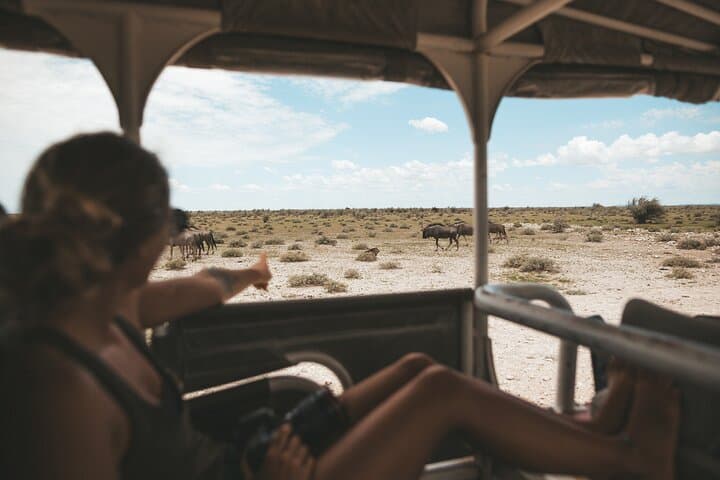
By late afternoon the Etosha plain glows like another skin — hard, white and blinding in the low sun. Our Land Cruiser hums along a ribbon of dust toward a waterhole where a dozen animals are waiting like actors before the curtain rises: springbok browsed at the edge, a lanky giraffe tilting its head, vultures already policing the scene. For three days you live in a rhythm set by the animals: dawn drives, slow midday shelter-seeking, and the sudden electric energy when a predator appears. This is not a documentary screened from behind glass; it is shared adrenaline, camera clicks and the small courtesies of a lodge that knows what its guests want — coffee at 5:15 a.m., blankets for the cold night, and a guide who can read spoor like a map.
The 3-Day Safari Adventure from Windhoek bases you at Etosha Safari Lodge and places the park itself — an immense salt pan surrounded by savanna and mopane woodlands — at the center of your trip. Etosha’s name translates to "great white place," a reference to the pan that dominates the northern landscape and reflects light so fiercely the horizon sometimes appears to float. Geologically, Etosha is the remnant of a vast inland lake that evaporated over millennia, leaving behind a crust of salt and minerals that funnels wildlife to a finite number of water sources. In a land of stretched scarcity, waterholes are stages and the animals are the cast.
There’s a clean, practical choreography to the days. You depart Windhoek early — the drive itself is part of the overture, a slow change from highland acacias into ochre plains; expect roughly 4–5 hours on tarmac and gravel to reach the lodge. Once at Etosha, most of your time is spent on guided drives in the park. Guides here are local, steeped in knowledge of Etosha’s complex ecology and the human stories stitched into it: Herero and Ovambo cultures in towns outside the park, a German colonial legacy in Windhoek, and decades of conservation work that have turned Etosha into one of Africa’s most productive national reserves.
Why do travelers come back to Etosha? Because sightings happen with an intimacy that larger, more forested parks can’t match. The dry season — June through October — concentrates animals at waterholes, turning the shoreline into a front-row seat for elephants, lion prides and near-constant activity. Etosha can host four of the Big Five; black rhino are present but rare, while lion, elephant, leopard and buffalo are regular enough to merit patience and a good eye. For photographers, the light is extraordinary: low sun backlighting dust, water reflections doubling the subject, and a sky so wide you can feel the distance in your chest.
Practicalities matter on a short trip like this. The tour runs three full days (about 72 hours) and includes accommodation at Etosha Safari Lodge; price starts around USD 970. Expect guided drives in open vehicles, so layer early and late and wear sun protection midday. Lodges maintain phone and charging hubs, but cell service inside the park is spotty — bring power banks and a printed copy of your itinerary. Park entry fees and any optional extras are usually handled through the operator, but confirm ahead of time.
Conservation is part of the package: Etosha’s ecosystem is fragile. Staying on designated routes, respecting viewing distances at waterholes and never feeding wildlife all contribute to ethical encounters. The park’s success is not just in the animals you’ll see but in the way local guides balance visitor experience with long-term stewardship.
For first-timers, pack with intention. Binoculars, a telephoto lens if you have one, sturdy walking shoes for lodge grounds, a sun hat and a compact daypack will change the quality of your trip. Headlamp batteries matter more than you think: many lodges are dark at night, and the stars are intact here — great for an after-dinner stroll if the guides permit.
Culturally, Etosha sits in a region where rural communities maintain pastoral livelihoods and seasonal markets. Take any chance to buy a locally made bead bracelet or leather craft, and realize your visit filters back into these economies. After a day on the road, Windhoek’s Joe’s Beerhouse or a small guesthouse kitchen can be a welcome contrast — hearty meat dishes, local beer and a chance to trade travel notes with other guests.
This safari is a practical, elegant introduction to Namibia’s wildlife country: not hyper-luxury but not roughing it either. It’s for travelers who want minutes-long encounters that have the nervous excitement of real unpredictability, and for photographers who want both action and landscape framed by a vast salt pan.
If you go, time your visits to waterholes, listen more than you speak on drives, and keep your camera ready — the best moments here are sudden and small: a calf’s first wobble, a matriarch elephant deciding to cross, a jackal slipping along the edge of a pan. In Etosha, the land has a patient way of showing you what matters.
Trail wisdom
Small choices, better day.
Time your drives
Plan early-morning and late-afternoon drives for the best chance at predator and large-herd sightings; midday is for naps and shade.
Pack for temperature swings
Desert mornings and nights can be cold; bring a warm layer even if days are hot.
Respect waterholes
Stay in the vehicle and keep a safe distance at waterholes to avoid disrupting animal behavior.
Bring spare power
Charging is limited at lodges and drives; a 10,000mAh power bank keeps cameras and phones alive.
Local knowledge
Read the place, not just the route.
Watch for native species including Elephant, Lion.
Keep an eye out for wildlife during the transition between areas and habitats. Respect distance guidelines.
The park is managed with strict anti-poaching measures and community engagement programs; visitors support local conservation through park fees and responsible tourism.
Follow the guide's instructions on size limits, ethical handling, and leave-no-trace practices.
Drive to lesser-known pans in the late afternoon for smaller crowds and intimate sightings. Short guided night walks near lodge perimeter (when permitted) reveal nocturnal life
Locally recommended viewpoints and quiet spots known best to local operators.
Etosha has been a protected area since 1907 and was developed as Namibia’s first major national park; its salt pan has long been a focus of both scientific study and local lore.
Maritime roots and regional tradition shape the waterways and working coasts.
Seasonal guide
Four versions of the same landscape.
Spring
Best forMigratory birds arriving · Milder temperatures
ChallengesPatchy rains · Thicker vegetation making sightings less predictable
Spring (Sept–Nov) warms toward summer; birdlife increases and the landscape greens, but some sightings can be obscured by regrowth.
Summer
Best forLush scenery · Baby animals in certain years
ChallengesHeat and afternoon storms · Dusty roads after rains
Summer brings sporadic rain and greener plains; drives can be hot and dusty with variable sightings.
Fall
Best forDry-season concentration at waterholes · Clear skies for photography
ChallengesCool nights · Busy peak season
Autumn (May–Aug) is the prime safari window — animals cluster at water, and visibility for game viewing is excellent.
Winter
Best forExcellent game-viewing conditions · Crisp, clean light for photos
ChallengesCold mornings and nights · Limited shade
Winter is dry and cool with predictable wildlife patterns; mornings and evenings are chilly but highly productive for drives.
Operator details
What the booking data adds.
Included
- ✓Accommodation, Activities & Park Fees
- ✓Dinner
- ✓Breakfast
- ✓Professional Guide and Transport
- ✓Breakfast on Day 1 & 2 (snacks & refreshments in the game truck)
Not included
- —Lunch (USD15,00 pp at own account at Etosha Safari Lodge) or choose option including lunch
- —Beverages (Appr. USD2,00) and Tips (optional)
- —Transfers between your hotel or airport in Windhoek and Windhoek Truck Port
Good to know
- ✓Public transportation options are available nearby
- ✓Not recommended for pregnant travelers
- ✓Suitable for all physical fitness levels
- ✓We can accommodate dietary restrictions such as vegetarian, vegan, gluten-free, etc. If you have dietary requirements, please indicate them when booking.
- ✓Meals may include allergens like nuts, dairy, gluten, and shellfish. (Please advise allergies if any.)
- ✓We cannot provide a specific menu as this is subject to seasonal changes.
- ✓Safari Vehicles do not have wheelchair access.
Pack with intention
What to bring.
Good to know
Common questions.
This is a 3-day (72-hour) guided safari departing Windhoek; it typically includes accommodation at Etosha Safari Lodge, guided park drives, and transfers — confirm specifics and park fees with the operator.
Plan the edges
The details that make the day easier.
Etosha means "great white place" in the local Oshindonga language, a reference to the vast salt pan at the park’s center.
After a day in the bush, head back to Windhoek for hearty Namibian cuisine — try a local game stew or a braai (barbecue) and a cold Windhoek Lager. Small craft markets near Outjo and Tsumeb sell beadwork and leather goods made by local artisans.
- Closest airport
- Hosea Kutako International Airport (Windhoek); Driving distance: ~4–5 hours (300–450 km depending on route) from Windhoek to Etosha Safari Lodge; Cell service: spotty in park, available at lodge; Permits
- fees
- Etosha park entry fee required—confirm coverage with tour operator.
Etosha’s fragile pan ecosystem and concentrated waterholes require low-impact viewing—stay on roads, avoid night driving off-road, and purchase local goods to support community conservation initiatives.
Explore by topic
Follow the threads.
Keep exploring
Make the story part of the trip.
Set out from Bass Harbor for a private, customizable day on Blue Hill Bay — lighthouses, puffins, seals, and the chance to feel Acadia from the water. Small groups, local captains, unforgettable views.
In four hours you can move from shaded canyon ferns to wind-scoured coastal ridgelines, guided by someone who knows where the light—and the hidden views—live. This private half-day hike on the Monterey Peninsula or Big Sur is compact, curated, and perfect for travelers who want depth without a multiday commitment.
 Related story
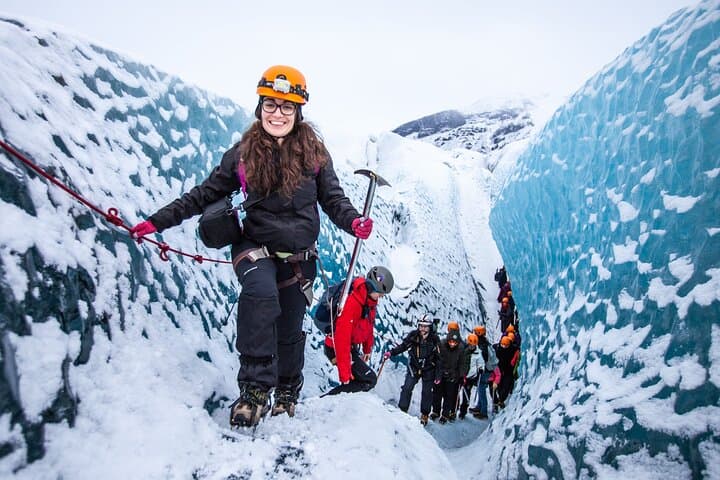
Beneath a sky of shifting light, Skaftafell’s ice reads like a map of time. This three-hour guided glacier hike mixes technical instruction with geology and culture: compact, safe, and unforgettable.