
What the day feels like
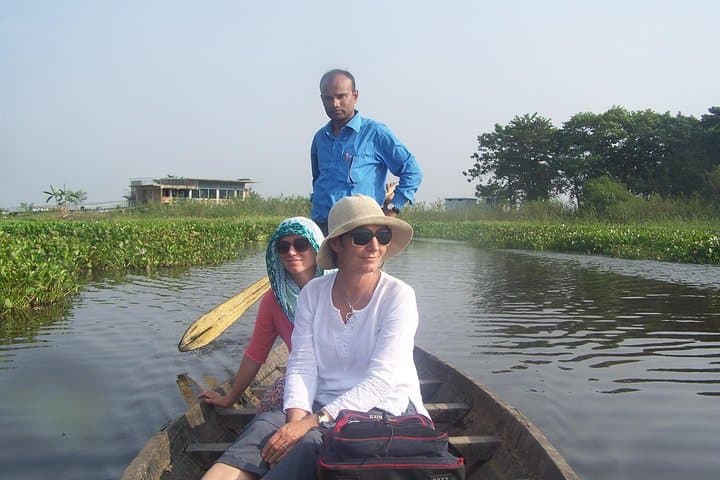
You arrive at dawn to a landscape that seems to breathe tea. Mist unravels from neatly clipped rows, and the hills around Srimangal wear a soft green coat that smells faintly of earth and leaves. A wooden boat waits at Baikka Beel; the water sits like a mirror daring you to disturb its calm. Over the next 48 hours you move between temperate tea gardens, a swampy sanctuary where migratory birds map the sky, a rainforest that pockets endangered primates, and a village where Khasi families still practice centuries-old crafts and hospitality. This is not a sprint for summit selfies but a layered travel experience — part nature immersion, part cultural exchange, and entirely tactile. The rhythm is slow, the rewards immediate: the ceramic warmth of seven-layer tea sliding across your palate, a langur's silhouette framed in the understory, a reed bed parting to reveal a heron taking flight. Practical details anchor the romance. The 2-day itinerary folds into 48 hours of small hikes, short boat rides, and drives across gently rolling terrain. Expect several walks of 1–5 kilometers through mixed terrain: compact tracks through tea estates, soft muddy loops in Lawachara National Park, and raised boardwalks around Baikka Beel where you trade your boots for careful steps above waterlogged soil. Elevation is modest; the biggest challenge is humidity and occasional monsoon-mud. Geology and ecology explain why these miles matter. Srimangal sits in the sylvan foothills of northeastern Bangladesh where alluvial plains meet ancient hillocks. Tea plantations follow gentle contours, while Lawachara is a remnant of tropical evergreen forest that survived conversion and still shelters an impressive diversity of species. Baikka Beel, a seasonal wetland, functions as a magnet for migratory birds and fish, acting as an ecological valve that soaks up heavy rains and redistributes nutrients across the floodplain. The human story is equally textured. Tea gardens here trace back to colonial enterprise and modern national industry; the Bangladesh Tea Research Institute in the itinerary speaks to a scientific effort to refine what has become a cultural staple. Nearby, Khasi tribal villages preserve practices and social rhythms distinct from the Bengali majority — visitors are welcome but should approach with respect for privacy and custom. Why should adventurous travelers choose this short loop? First, accessibility: the tour launches from Dhaka but deposits you into a landscape that feels far away. Second, diversity: in two days you move between forest, wetland, plantation, and village — a compact sampling that rewards curiosity. Third, hands-on cultural contact: a chance to sample regional cuisine, share a pot of seven-layer tea, and meet local producers. Timing matters. Dawn is prime for Baikka Beel: migratory flocks and wading birds are most active then, and early light softens the tea terraces into artful bands of color. Midday is best for a village visit when people are active; late afternoon is ideal for walking the forest trails as mammals stir and humidity drops. Keep your gear simple and smart: lightweight rain shell, quick-dry layers, good trail shoes with grip for muddy sections, insect repellent, and a small daypack for water and camera gear. Respect the landscapes: stay on marked trails in Lawachara to protect fragile understory and follow local guidance near wetlands to avoid disturbing nesting birds. Expect basic accommodations — the tour is flagged as private and may include a modest guesthouse in Srimangal rather than a luxury lodge. Food tends to be regional and hearty: rice, fish or chicken curries, green tea in generous measures, and sweet pithas when available. If alcohol is a consideration, note that Bangladesh's conservative culture makes it less prominent; your best bets for a social wind-down are tea stalls and local cafés. Practical logistics: the whole loop runs about two days and most travelers cover 200–250 kilometers of driving if starting from Dhaka, with total walking distance spread across short circuits. Carry cash for entry fees to Lawachara and for small purchases in villages. Local guides are invaluable — they translate both language and landscape, pointing out cryptic bird calls, locating elusive primates, and facilitating respectful meetings with tribal hosts. In short, the 2-Day Srimangal Adventure Tour is a compact, sensory-rich immersion into northeastern Bangladesh. It’s best for travelers who prefer layered experiences over high-intensity pursuits: you’ll collect small, lasting encounters — a tea-splashed dawn, a wetland’s hush, a village cook’s smile — and return with a clearer sense of how people and place shape one another in this corner of the subcontinent.
Trail wisdom
Small choices, better day.
Dawn for Birding
Arrive at Baikka Beel before sunrise for the best bird activity and softer light for photography.
Footwear for Mud
Use grippy, waterproof trail shoes — Lawachara trails and wetland boardwalks get slippery after rains.
Carry Cash
Small vendors, entry fees, and village purchases are often cash-only; bring local currency.
Hire a Local Guide
A guide improves wildlife spotting, handles permits, and connects you to Khasi hosts respectfully.
Local knowledge
Read the place, not just the route.
Watch for native species including Capped langur, Spot-billed pelican and assorted migratory waterfowl.
Keep an eye out for wildlife during the transition between areas and habitats. Respect distance guidelines.
Lawachara is a protected evergreen patch crucial for endemic species; visitors are encouraged to stay on trails, avoid single-use plastics, and support community-led ecotourism initiatives.
Follow the guide's instructions on size limits, ethical handling, and leave-no-trace practices.
Nilkantha Tea Cabin for traditional seven-layer tea. Madhabpur Lake for a quiet boardwalk loop and macro-birding
Locally recommended viewpoints and quiet spots known best to local operators.
Tea cultivation in the region dates to the 19th century; many estates and the Bangladesh Tea Research Institute reflect a colonial-era industry that reshaped local economies.
Maritime roots and regional tradition shape the waterways and working coasts.
Seasonal guide
Four versions of the same landscape.
Spring
Best forFresh tea growth · Comfortable daytime walks
ChallengesIntermittent rain · Early morning chill
Spring (March–May) brings new tea leaves and mild temperatures but expect occasional showers and sticky mornings.
Summer
Best forLush rainforest foliage · Warm nights
ChallengesMonsoon rains and flooding · High humidity
Summer (June–August) is the monsoon; landscapes are dramatic and green but rain can disrupt trails and roads.
Fall
Best forPost-monsoon clarity · Bird migration overlap
ChallengesResidual muddy trails · Variable weather
Fall (September–November) offers clear skies and good birdwatching as migratory species pass through after the rains.
Winter
Best forCool, dry trekking · Tea tasting and clear vistas
ChallengesCool mornings · Limited rainfall may reduce wetland surface
Winter (December–February) is the most comfortable season for walking and wildlife viewing; mornings are crisp and visibility is excellent.
Operator details
What the booking data adds.
Included
- ✓All taxes, fees and handling charges
- ✓Overnight accommodation 3 Star Category Hotel
- ✓Breakfast
- ✓Hotel pickup and drop off from Dhaka
- ✓Baikka Beel Wetland boat ride
- ✓All Entrance Fees including National Park
- ✓English Speaking Tour Guide
Not included
- —Lunch and Dinner
- —Gratuities
Good to know
- ✓Infants are required to sit on an adult’s lap
- ✓Suitable for all physical fitness levels
- ✓When returning to Dhaka on Day 2, the bus might not arrive in Dhaka until the early morning on the following day
Pack with intention
What to bring.
Good to know
Common questions.
Distance is approximately 200–250 km depending on route; expect 4–6 hours by car or private vehicle, longer in heavy traffic.
Plan the edges
The details that make the day easier.
Srimangal is often called the Tea Capital of Bangladesh and the surrounding estates are responsible for a significant portion of the country's tea production, a legacy dating back to the 19th-century plantations.
After a day of hiking and birding, head to Nilkantha Tea Cabin for seven-layer tea and local snacks; sample regional Sylheti dishes like fish cooked with mustard leaves at a family-run eatery, and pick up handmade bamboo crafts in a Khasi village to support local artisans.
- Closest major airport
- Dhaka Hazrat Shahjalal International Airport; Trailhead
- Start
- Srimangal town; Driving distance from Dhaka: ~200–250 km, 4–6 hours; Cell service: Good in town, patchy in Lawachara and wetland areas; Permits: National Park entry fee and registration required.
Baikka Beel is an important wetland for migratory birds; visitors should stay on designated paths, avoid feeding wildlife, and carry out all trash to minimize disturbance to sensitive habitats.
Explore by topic
Follow the threads.
Keep exploring
Make the story part of the trip.
Set out from Bass Harbor for a private, customizable day on Blue Hill Bay — lighthouses, puffins, seals, and the chance to feel Acadia from the water. Small groups, local captains, unforgettable views.
In four hours you can move from shaded canyon ferns to wind-scoured coastal ridgelines, guided by someone who knows where the light—and the hidden views—live. This private half-day hike on the Monterey Peninsula or Big Sur is compact, curated, and perfect for travelers who want depth without a multiday commitment.
 Related story
Beneath a sky of shifting light, Skaftafell’s ice reads like a map of time. This three-hour guided glacier hike mixes technical instruction with geology and culture: compact, safe, and unforgettable.