
What the day feels like
Dawn slides over Beaufort like a careful hand, polishing the creeks until they gleam. The boat noses off the Town Creek ramp, fiberglass whispering against a tide that already has opinions about where it wants to go. Marsh grass stands at attention, and a pelican scouts the channel with the bored confidence of a local beat cop. “We’ll fish the edges first,” Capt. Jim says, eyes on the slicks forming along an oyster bed. The engine drops to a purr, and the day begins in the slow language of current and cast.
Beaufort, one of North Carolina’s oldest towns, wears its maritime history without fuss. In these protected waterways—just inside the barrier islands—you feel the mechanics of the coast at work. Tides tug the creeks like strings. Oyster reefs bristle with life. Red drum patrol the shallows, speckled trout glide in the rips, and flounder settle low and wait for the boat’s shadow to pass. This is the Crystal Coast’s inshore classroom, and a half day on the water is enough to learn its first lessons and hook your first fish. If you’re new to it, or simply want the most productive four hours possible, <a href="https://app.advcollective.com/local-experts/inshore-1-2-day-charter">Capt. Jim’s inshore 1/2 day charter</a> makes an ideal guide.
Within minutes of leaving the ramp, downtown Beaufort fades to a silhouette and the marsh takes over. The creek narrows, turns, and then opens to a small bay stippled by bait. A wake pushes tight along the spartina—subtle, predatory—and Jim eases a jighead shrimp into its path. The red drum answers like it’s been dared. Line tightens. The rod bows, thumps. This is why anglers chase the inshore: the intimacy of sight-casting in knee-deep water, the way fish announce themselves in clues—nervous mullet, a twitch of grass, a copper tail raised like a flag.
This charter keeps it simple, which is part of the appeal. You’ll use artificial, live, or dead bait depending on conditions, and Jim picks the plan to match wind, water clarity, and tide. Want to target redfish until your arms are noodles? Say so. Prefer variety with speckled trout and flounder? He’ll thread the day accordingly. The boat handles small groups—up to four passengers—so families, first-timers, and seasoned anglers can all find space here. Kids five and up are welcome, and the creeks are forgiving compared to the open Atlantic. It’s an adventure, but it’s approachable.
Under the surface, this place is a patchwork of habitats. Oyster bars stiffen the mud and create eddies where bait stacks up. Creek mouths act like conveyor belts, shuttling shrimp and minnows in and out with the tide. Points and bends build ambush stations. The estuary is alive with small negotiations: currents meeting, salinity shifting, clarity changing by the hour. The fish follow these meetings, and the captain follows the fish. On a good morning, you’ll draw strikes around the last of the falling tide at an oyster point, then slide into a wind-protected bay to work a shallow flat when water floods in. By late morning, you might be drifting toward the Rachel Carson Reserve with dolphins pushing through the channel—another reminder that everything here is on the move.
Beaufort’s maritime story runs through these waters. Blackbeard sailed nearby; his Queen Anne’s Revenge found its end off the inlet. Working watermen still run this coastline, tending nets and oyster leases that underpin local culture and cuisine. As you idle past the spartina, you’re skimming a living museum, but also a future that depends on smart stewardship. Oyster sanctuaries rebuild habitat. No-wake zones protect shorelines from erosion. Good anglers learn quickly: keep line off the grass, avoid running shallow flats at speed, and pack out everything you brought aboard.
From a practical standpoint, an inshore half-day is easy to slot into a coastal weekend. Start early to beat the heat and ride the morning bite, or pick an afternoon tide if it lines up with trout or tailing reds. The departure point—Town Creek Water Access Boat Ramp—is minutes from Beaufort’s waterfront. Licenses and tackle are included, so you can show up with sunglasses, sun protection, and the willingness to learn. If you’re curious about techniques, ask. Inshore fishing rewards observation and small adjustments: jig cadence, hook placement, retrieve speed. Capt. Jim is happy to explain why a trout ate at the seam and why a flounder ate at the drop.
And when the rod goes heavy again, the marsh joins the fight. The current nudges the boat, insistent. The grass hisses with wind. A red charges for the oysters with the stubborn certainty of a creature evolved to win. You pull it from the rough, guide it to the net, and feel the slick heft of a fish built from tide and patience. That is the pleasure of inshore—every catch is signed by a piece of water you can point to. Later, back at the ramp, you’ll step onto solid ground with salt dried on your forearms, a photo roll full of copper and silver, and a better sense of how the creeks think.
If you’re planning a Crystal Coast getaway and want a focused dose of action, make your move. Book the <a href="https://app.advcollective.com/local-experts/inshore-1-2-day-charter">inshore 1/2 day charter in Beaufort</a>, hit the marsh at first light, and let the tide write the itinerary. Four hours is long enough for a handful of good lessons, a few surprises, and the kind of memory that follows you back to town—where a plate of fresh seafood and a cold beer will taste even better.
Ready to dig deeper into the local scene or plan the rest of your trip? Check availability and details through this <a href="https://app.advcollective.com/local-experts/inshore-1-2-day-charter">Crystal Coast fishing guide page</a> and bring your questions. The creek will supply the rest.
Trail wisdom
Small choices, better day.
Time your trip to the tide
Ask the captain which tide phase best suits your target species; red drum often feed along edges on a falling tide, while trout like moving seams.
Polarized lenses make the day
Polarized sunglasses help you read slicks, grass lines, and tailing fish—crucial for accurate casts in skinny water.
Footwear matters
Wear non-marking deck shoes with grippy soles; decks get wet with spray and bait, and black scuffs are a no-go on boats.
Pack sun armor
Bring a UPF shirt, buff, and reef-safe sunscreen; the marsh reflects light and doubles the sun exposure, even on cloudy days.
Local knowledge
Read the place, not just the route.
Watch for native species including Bottlenose dolphin, Osprey and pelicans.
Keep an eye out for wildlife during the transition between areas and habitats. Respect distance guidelines.
These creeks are part of the Albemarle–Pamlico estuary; observe no-wake zones, avoid prop-scarring the flats, and never discard fishing line or plastics.
Follow the guide's instructions on size limits, ethical handling, and leave-no-trace practices.
Rachel Carson Reserve—scan for wild horses and birdlife from the boat or the Beaufort boardwalk. Calm flats behind Pivers Island that light up on winter bluebird days
Locally recommended viewpoints and quiet spots known best to local operators.
Beaufort dates to 1709 and sits near the wreck of Blackbeard’s Queen Anne’s Revenge, discovered in 1996 just outside the inlet.
Maritime roots and regional tradition shape the waterways and working coasts.
Seasonal guide
Four versions of the same landscape.
Spring
Best forActive red drum along marsh edges · Trout on moving tides
ChallengesWindy fronts · Cool mornings
Spring brings warming water and bait trickles into the creeks—expect dynamic conditions and improving action by late April.
Summer
Best forEarly-morning topwater trout · Sight-fishing tailing reds on higher tides
ChallengesHeat and high UV · Afternoon pop-up storms
Fish at first light for cooler temps and cleaner water; mid-day heat pushes fish to deeper troughs and shaded edges.
Fall
Best forStrong red drum bite · Consistent speckled trout action
ChallengesShorter days · Occasional nor’easters
Autumn is prime on the Crystal Coast—bait runs spark aggressive feeds, and stable temps make patterns predictable.
Winter
Best forSchooling reds on sunny flats · Less boat traffic
ChallengesCold mornings · Clear water makes fish skittish
Clear, calm days can be magic for sight-fishing, but dress warm and expect finicky fish in ultra-clear water.
Pack with intention
What to bring.
Good to know
Common questions.
No—licenses are included with the charter, and all tackle and bait are provided.
Plan the edges
The details that make the day easier.
North Carolina’s Albemarle–Pamlico estuarine system is the second-largest in the United States after the Chesapeake Bay, creating vast nursery habitat for red drum, trout, and flounder.
Post-trip, head to Beaufort’s waterfront for local oysters and a cold pint at Fishtowne Brew House, or grab a laid-back meal at Beaufort Grocery Co. Stroll the boardwalk at golden hour and watch shrimp boats idle in—this town remembers where dinner came from.
- Closest airport
- Coastal Carolina Regional (EWN) in New Bern, ~40–45 minutes by car. Launch: Town Creek Water Access Boat Ramp, minutes from downtown Beaufort. Driving: 5 minutes from the waterfront; parking available but fills on summer weekends. Cell service: Generally good near town; can be spotty in back creeks. Permits: None for guests—licenses and tackle included.
This estuary feeds the Crystal Coast fishery—idle in shallow zones, avoid running over oysters and grassbeds, and pack out all trash. Consider keeping only what you’ll eat within regulations or practicing catch-and-release.
Explore by topic
Follow the threads.
Keep exploring
Make the story part of the trip.
In four hours you can move from shaded canyon ferns to wind-scoured coastal ridgelines, guided by someone who knows where the light—and the hidden views—live. This private half-day hike on the Monterey Peninsula or Big Sur is compact, curated, and perfect for travelers who want depth without a multiday commitment.
 Related story
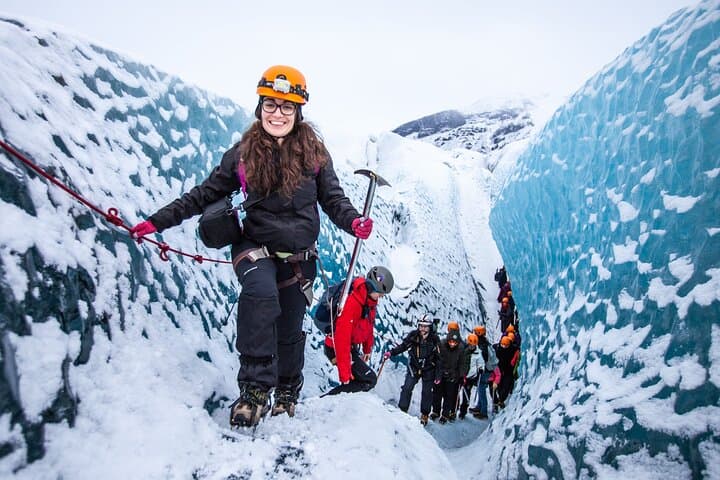
Beneath a sky of shifting light, Skaftafell’s ice reads like a map of time. This three-hour guided glacier hike mixes technical instruction with geology and culture: compact, safe, and unforgettable.
 Related story
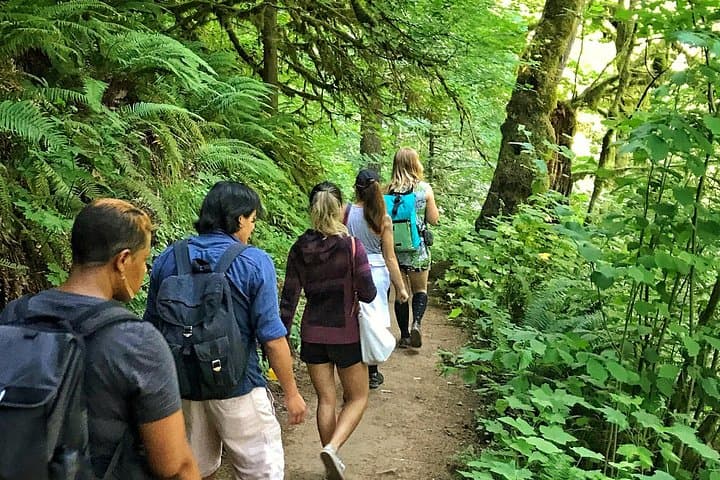
Lose the city for a few hours without leaving it: this 5-mile, 900-foot-gain Forest Park loop threads old-growth pockets, city viewpoints, and cultural landmarks for a compact taste of Portland’s wild side. Expect moss, roots, and stories.