
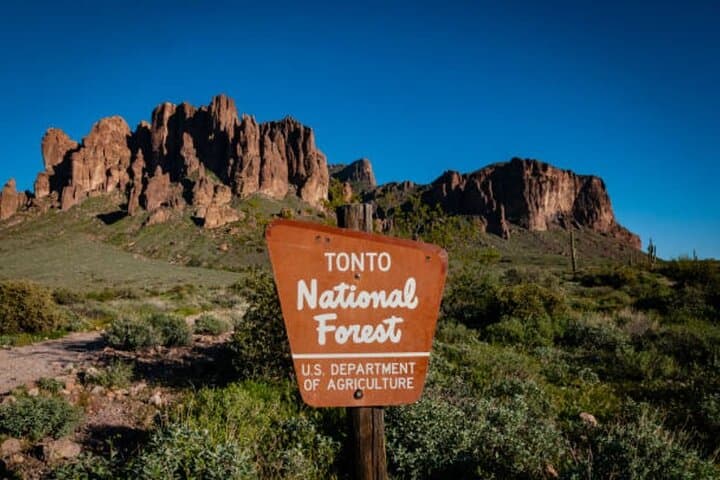
What the day feels like
The truck climbs a rib of baked earth and the city behind you shrinks into a square of orange light. Ahead, the desert loosens its shoulders—creosote and ocotillo reaching like dark silhouettes against a wideening sky. Your guide eases the rig onto a sandy bench and kills the engine. There is the sound the city never has: a hush that counts the beating of your own pulse and the distant wingbeat of a raven. Then the horizon exhales color—copper and magenta spilling across the Sonoran Desert—and you remember why people set alarms for vacations.
This private off‑road tour out of Phoenix and Scottsdale compresses an enormous landscape into five to six hours of carefully paced discovery. You don’t climb a peak by foot; you travel desert by machine, but the payoff is the same: an intimate, tactile relationship with place. The Sonoran here is muscular and generous—saguaro standing like old sentries, washed river channels that dare you to imagine spring floods, and rock formations that seem carved by a patient, chiseled hand. A private vehicle means you can stop when the light is right, when a stretch of trail whispers promises of a better photo or a quieter moment.
Geology and history arrive with the scenery. Much of what you ride across is part of the Basin and Range province: tilted fault blocks, alluvial fans, and the dark, basaltic remnants of ancient lava. The soils shift between hard-packed trails and soft sand that will challenge both driver and vehicle—there’s a reason guides talk about momentum and tire pressure. Human history overlays the land: Indigenous peoples have moved through these valleys for millennia; later, ranchers and miners tested their luck here, leaving faint lines of fences and abandoned shafts. Today, the desert belongs to a briefer category of users—hikers at dawn, mountain bikers, and the private tour who come to watch the sun lower its curtain.
Local culture in the Phoenix‑Scottsdale corridor leans into desert‑forward cuisine and craft beverages—think chiles and citrus, Sonoran hot dogs and mezcal flights. Guides are often local to the Valley and bring a practical intimacy to their storytelling: pointing out edible fruit, explaining saguaro lifecycles, or demonstrating how to read a wash. That local knowledge is part of the reason to choose a private tour: you’re not just driven through scenery, you’re led into it with context.
Practically: this tour runs roughly 5–6 hours and is priced from about $1,500 for a private group. You’ll travel in a purpose‑built off‑road vehicle with experienced drivers who know the traction limits of sand, the best angles for photographs, and the safe margins around protected cacti. Dress in layers—desert evenings in winter can drop sharply—and bring sun protection, a reusable water bottle, and a camera with a good zoom (and spare batteries). If you want the canonical desert silhouette shot, plan to be on an exposed ridge 30–45 minutes before official sunset. Your guide can place you there—but timing is everything.
Why opt for private? The answer is choices: route, pace, and the ability to linger. A private tour lets you chase light without the constraints of a large vehicle schedule. It also reduces footprint—fewer people on fragile soils—and gives you better access to quieter pockets of the Sonoran where wildlife is more likely to reveal itself.
Speaking of wildlife, keep your expectations balanced. You may see coyotes looping in the distance, jackrabbits darting across a wash, or a Gila woodpecker hammering into saguaro skin. Reptiles are common in warmer months; the guides know when and where to look without disturbing animals’ routines.
If you’re thinking about booking, a few logistics matter: departures typically launch from the greater Phoenix/Scottsdale area, making the tour accessible for travelers flying into Phoenix Sky Harbor. Cell service will be spotty once you leave the city and nonexistent in some draws—trust your guide, bring a printed confirmation, and download directions or apps before you go. The best months for comfortable temperatures are late fall through early spring; summers bring intense heat and a higher chance of monsoon storms.
For photographers, the desert is brutally generous: wide vistas, clear air, and light that sculpts form. Bring a wide lens for sweeping landscapes, a 70–200mm for compressed sunset shots and birdlife, and a neutral density filter if you want to smooth the last light over dunes.
This kind of trip is a reminder that adventure doesn’t always demand sweat equity. Sometimes the best way to feel small is to sit in an open vehicle as the horizon rearranges itself, listening to a guide who can decode the land in a paragraph. It’s a tour designed for people who want the desert as a story rather than just a backdrop—and the privilege of having it unfold on a private timetable.
To learn more or reserve your private vehicle, see the full tour details and booking information at the official tour page: <a href="https://app.advcollective.com/local-experts/explore-the-sonoran-desert-private-offroad-adventure-sunset-tour-from-phoenix">Explore the Sonoran Desert Private Offroad Adventure & Sunset Tour from Phoenix</a>. For photography tips, local insights, and sample itineraries, the same resource will help you prepare to get the most from five sun‑heavy hours in the Sonoran.
Trail wisdom
Small choices, better day.
Layer for Desert Evening
Temperatures can fall quickly after sunset—bring a lightweight insulating layer even if the day is warm.
Hydrate Before You Go
Drink water pre-tour and carry a refillable bottle; guides supply extras but prehydration helps you avoid fatigue.
Footwear for Scrambles
Sturdy shoes with good tread are useful for short off‑vehicle walks over rocks and sand.
Camera Prep
Bring extra batteries and an SD card—sunset light changes fast and you’ll want spare power.
Local knowledge
Read the place, not just the route.
Watch for native species including Coyote, Gila woodpecker.
Keep an eye out for wildlife during the transition between areas and habitats. Respect distance guidelines.
Stick to established tracks, avoid driving over vegetation, and carry out any trash—private tours can minimize impact by limiting group size and staying on durable surfaces.
Follow the guide's instructions on size limits, ethical handling, and leave-no-trace practices.
Small washes with seasonal pools that attract birds after rains. Quiet ridgelines that offer 360° views without the common tourist crowd
Locally recommended viewpoints and quiet spots known best to local operators.
The Sonoran Desert has been inhabited for thousands of years by Indigenous peoples; later, cattle ranching and mining shaped local settlement patterns.
Maritime roots and regional tradition shape the waterways and working coasts.
Seasonal guide
Four versions of the same landscape.
Spring
Best forWildflower blooms · Mild temperatures
ChallengesVariable winds · Occasional desert pollen
Spring brings blooming brittlebush and ocotillo with comfortable daytime temps, though winds can kick up dust on exposed ridges.
Summer
Best forDramatic monsoon storms · Green desert after rain
ChallengesExtreme heat · Flash-flood risk in washes
Summer offers dramatic skies and monsoon lightning but daytime heat is intense—most operators limit activity to early evening to avoid hazards.
Fall
Best forClear nights · Comfortable hiking conditions
ChallengesVariable early-season temps · Busier weekends
Fall cools the desert into prime touring weather with clear skies; expect more visitors on popular weekend slots.
Winter
Best forMild daytime temperatures · Crisp sunset colors
ChallengesCool evenings · Occasional frost on higher ridges
Winter is arguably the optimal season—daytime is pleasant, but dress warmly for post-sunset chill.
Operator details
What the booking data adds.
Included
- ✓Private transportation
- ✓Bottled water
- ✓Air-conditioned vehicle
- ✓All Fees and Taxes
- ✓Expert Guide
Not included
- —Foods and Drinks
- —Gratuities/Tips to Guide
Good to know
- ✓Infants and small children can ride in a pram or stroller
- ✓Public transportation options are available nearby
- ✓Specialized infant seats are available
- ✓Not recommended for travelers with spinal injuries
- ✓Not recommended for pregnant travelers
- ✓Suitable for all physical fitness levels
Pack with intention
What to bring.
Good to know
Common questions.
The private off‑road experience runs about 5–6 hours total, typically late afternoon into sunset.
Plan the edges
The details that make the day easier.
The saguaro cactus, an icon of the Sonoran Desert, is native only to the Sonoran Desert and can live more than 150 years.
After the tour, head to Old Town Scottsdale for Sonoran‑style cooking—think tacos with local chiles or a Sonoran hot dog—and sample a local craft brewery or cocktail bar to wind down.
- Closest airport
- Phoenix Sky Harbor (PHX). Typical drive to meeting point: 30–45 minutes from downtown Phoenix. Cell service: intermittent to none on trails. Permits: none required for private paid tours—operator handles access.
Stay on designated tracks, don’t climb or lean on saguaros, pack out all trash, and choose operators that limit group size to reduce erosion and wildlife disturbance.
Explore by topic
Follow the threads.
Keep exploring
Make the story part of the trip.
Set out from Bass Harbor for a private, customizable day on Blue Hill Bay — lighthouses, puffins, seals, and the chance to feel Acadia from the water. Small groups, local captains, unforgettable views.
In four hours you can move from shaded canyon ferns to wind-scoured coastal ridgelines, guided by someone who knows where the light—and the hidden views—live. This private half-day hike on the Monterey Peninsula or Big Sur is compact, curated, and perfect for travelers who want depth without a multiday commitment.
 Related story
Beneath a sky of shifting light, Skaftafell’s ice reads like a map of time. This three-hour guided glacier hike mixes technical instruction with geology and culture: compact, safe, and unforgettable.