
What the day feels like
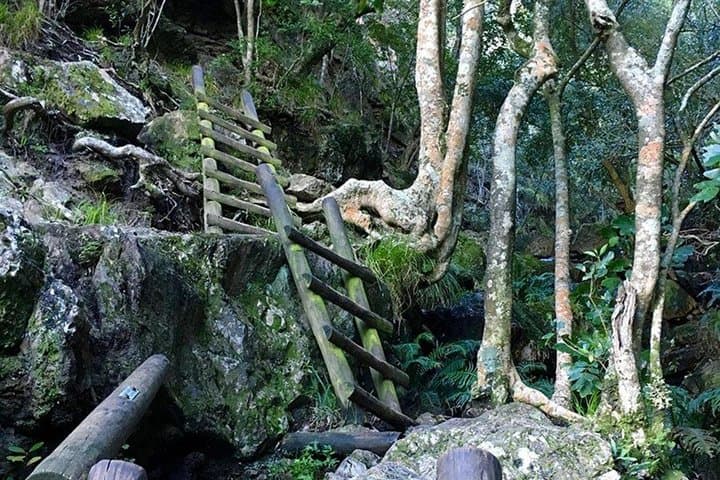
You begin before the city has fully woken—Kirstenbosch still holding the damp hush of night, the garden lights blotting low clouds against the silhouette of Table Mountain. The trailhead is a narrow gap of shadow between protea and silver tree, and for the next six hours the mountain will set the pace: urgent, patient, occasionally uncompromising. Skeleton Gorge is not a polite promenade; it is a steep, mossy cathedral of ravine and root that climbs from the botanical calm of Kirstenbosch into the exposed, wind-carved top of Table Mountain. By sunrise, Cape Town unfolds beneath you, every ridge and bay softened by gold.
The route that draws thousands of keen walkers and serious hikers alike begins at Kirstenbosch National Botanical Garden and snakes up the gorge’s shady face, following a mix of staircases, wooden ladders, chain handlines and single-track through indigenous afromontane forest. The ascent is an exercise in contrasts: from the cultivated quiet of the gardens to a wild pocket of Cape Fold sandstone scrub, then out onto the flat, barren plateau where the Atlantic wind has been at work for millennia. Most guided morning departures use Skeleton Gorge to climb and Nursery Ravine to descend, making a rewarding loop that brings you back through the canopy walkway and the gardens’ terraces.
Why do it at sunrise? The light is muscle memory for the mountain—softer, directional, revealing the texture of the cliff faces and throwing the city into a long, low shadow. The air is cooler, the trail less crowded, and the flora—restored fynbos, wild proteas and ancient Erica species—seems to exhale a sweeter scent in the morning hush. It’s also safer: the ladders and scramble sections are easier to handle when you’re not exhausted and the rock is not sun-warmed and dry from a midday crowd.
There’s geology here worth noting. Table Mountain’s sandstone cap sits atop older shales and granite, a story of sea and pressure that reads like layered pages. The gorge itself is a cleft carved by ancient streams, a natural funnel that channels the winter rains from plateau to valley. Kirstenbosch, established in 1913 to celebrate South Africa’s indigenous flora, provides the civilized prelude—tea rooms, manicured lawns, and the Canopy Walk (the “Boomslang”) which is a tidy counterpoint to the knife-sharp wild above.
Cultural context arrives in small, human moments: gardeners tending proteas with the same patience as a shepherd mending a fence; local guides pointing out the Khoisan place names and the colonial-era surveys that first mapped these slopes. If you book a guided start, the guides often interweave natural history and safety instructions—where the chains are essential, where the scramble eases into a walking ridge, and when to expect wind to be a factor.
Practical realities: the trip advertised here is a six-hour loop that covers roughly 10–12 kilometers with about 700–800 meters of elevation gain. Terrain varies from packed earth and roots to slabby sandstone and metal rungs; expect sustained climbing with intermittent level sections where you can catch your breath and look back at the developing panorama. The route is rated challenging for those not accustomed to sustained uphill, but achievable for moderately fit hikers who prepare—steady pace, proper footwear, and mindful pacing make a big difference.
Start early, carry 2–3 liters of water, and wear grippy footwear—the rock can be slippery in the shade or after rain. A lightweight shell for wind, a warm mid-layer for the plateau and a headlamp for pre-dawn movement are sensible. Note that cellphone reception is intermittent on the climb; if you’re doing this solo, let someone know your plan and expected return time.
If you want to tie it into a full-day experience, the return through Kirstenbosch makes for a civilized finish: coffee in the tea garden, a post-hike massage at your hotel, or a short drive to Constantia for wine tasting among historic Cape Dutch estates. For photographers the light shortly after sunrise is your reward—use wide-angle lenses to capture the city spread and telephoto to compress the coastal horizon.
Booking a guided morning ascent is practical for logistics and safety, and it lets you lean on local knowledge for the optimal season and trail conditions. For reservations and guided departures, consider this local operator’s option for the Skeleton Gorge morning climb from Kirstenbosch, which includes local guides familiar with both the flora and the rock: https://app.advcollective.com/local-experts/skeleton-gorge-morning-hike-from-kirstenbosch-table-mountain-via-skeleton-gorge-nursery-ravine
This climb is not about conquest so much as conversation—the mountain will tell you where to step, where to rest, and, if you listen, a little of its long story. At the top, the city stretches below like a map of decisions, and that quiet moment—wind at your back and the horizon wide—remains a durable reason to make the effort. If you’re planning a first trip, go prepared, go early, and let the gorge do the guiding.
Trail wisdom
Small choices, better day.
Start Before Sunrise
Begin 60–90 minutes before first light to avoid midday crowds and to have the best ridge light at the summit.
Water & Hydration
Carry 2–3 liters and a small water filter or purification tablets—tap water isn’t available on the trail.
Footwear Matters
Sturdy, grippy hiking shoes or low boots handle sandstone slabs and muddy stairs better than trail runners.
Mind the Ladders
There are ladder and chain sections—use gloves for grip and move deliberately; consider a guided group if you’re uncomfortable with exposure.
Local knowledge
Read the place, not just the route.
Watch for native species including Chacma baboon, Cape sugarbird.
Keep an eye out for wildlife during the transition between areas and habitats. Respect distance guidelines.
The area is part of Table Mountain National Park—stick to trails, pack out waste, and avoid feeding wildlife (baboons are habituated and can become aggressive).
Follow the guide's instructions on size limits, ethical handling, and leave-no-trace practices.
Boomslang Canopy Walk (Kirstenbosch) for a gentle pre- or post-hike stroll. Lower Nursery Ravine pools—quiet spots to cool feet after the descent (seasonal)
Locally recommended viewpoints and quiet spots known best to local operators.
Kirstenbosch was established in 1913 to promote the conservation and study of South Africa’s indigenous flora, and Table Mountain’s sandstone is among the oldest visible rocks on Earth.
Maritime roots and regional tradition shape the waterways and working coasts.
Seasonal guide
Four versions of the same landscape.
Spring
Best forWildflower displays · Milder temperatures
ChallengesUnpredictable rain · Variable wind
Spring (Sept–Nov) brings vibrant fynbos blooms and pleasant hiking temperatures but expect some rainy days and early-season wind.
Summer
Best forClear summit views · Long daylight hours
ChallengesStrong afternoon winds · Crowds and sun exposure
Summer offers warm mornings and clear vistas; start early to avoid heat and the busiest hours.
Fall
Best forStable weather windows · Golden light
ChallengesCooling evenings · Possible winter storms arriving late
Autumn provides crisp air and excellent light—one of the most reliable seasons for a clean sunrise hike.
Winter
Best forDramatic cloudscapes · Fewer tourists
ChallengesCold, wet conditions · Trail slipperiness and strong winds
Winter can be spectacular but also harsh—only attempt in stable weather and with full wet-weather gear.
Pack with intention
What to bring.
Good to know
Common questions.
Most guided itineraries take about six hours and cover roughly 10–12 kilometers with about 700–800 meters of elevation gain.
Plan the edges
The details that make the day easier.
Kirstenbosch National Botanical Garden was established in 1913 and is internationally renowned for its conservation of South Africa’s indigenous flora.
After the descent, linger at the Kirstenbosch Tea Room for coffee and local pastries, or drive 15 minutes to Constantia for wine tasting at historic estates like Klein Constantia—both pair well with a post-hike shower and stories.
- Closest airport
- Cape Town International Airport (CPT). Trailhead: Kirstenbosch Botanical Gardens (entrance gate). Driving distance: ~15–25 minutes from Cape Town CBD depending on traffic. Cell service: patchy above the ravines. Permits
- fees
- Kirstenbosch entry fee required; check park advisories for Table Mountain National Park.
This route sits within Table Mountain National Park—stay on marked trails, pack out all litter, avoid disturbing fynbos, and never feed or approach wildlife (especially baboons).
Explore by topic
Follow the threads.
Keep exploring
Make the story part of the trip.
Set out from Bass Harbor for a private, customizable day on Blue Hill Bay — lighthouses, puffins, seals, and the chance to feel Acadia from the water. Small groups, local captains, unforgettable views.
In four hours you can move from shaded canyon ferns to wind-scoured coastal ridgelines, guided by someone who knows where the light—and the hidden views—live. This private half-day hike on the Monterey Peninsula or Big Sur is compact, curated, and perfect for travelers who want depth without a multiday commitment.
 Related story
Beneath a sky of shifting light, Skaftafell’s ice reads like a map of time. This three-hour guided glacier hike mixes technical instruction with geology and culture: compact, safe, and unforgettable.